
How to make a herbarium - cooperation of partner schools

The purpose of making a herbarium is to acquire the ability to recognize plant types and species, and to learn about the habitats in which they occur.
Creating a herbarium can become an attractive and educational game, and viewing it later is a pleasant time for memories. A herbarium can be made not only of leaves, but also of all types of plants that can be dried.
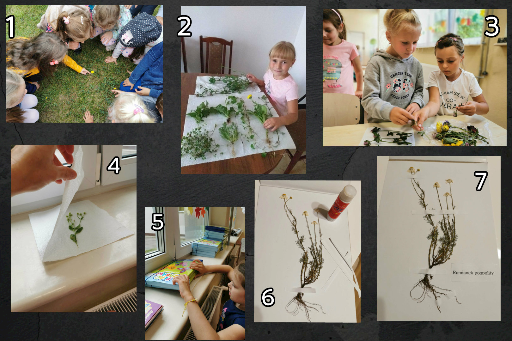
Here are our tips on how to make your herbarium
How to make a herbarium
1. Herbarium plants cannot come from reserves, national parks and other places where harvesting is prohibited by law. Protected and endangered species must not be collected.
2. Plants and roots should be carefully shaken off the soil. The stalk
of specimens larger than a newspaper should be folded in several places, first crushing them - in order to avoid tearing the tissue. If the stem is long and full of leaves, it can be cut into several parts.
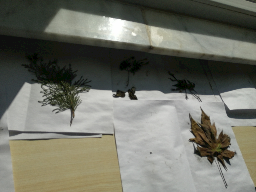
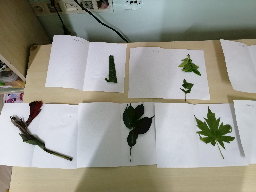
3. Place the individual parts of the plant on a newspaper or a paper towel in such a way as to maintain the natural arrangement of leaves, shoots and flowers.
4. Plants should be dried in an airy, dry place, changing newspapers frequently (at the beginning every day, then less often). They must
be pressed down firmly with heavy objects, e.g. books
5. Before sticking the specimen, it is worth preparing:
a sheet of cardboard approximately A4 size
• labels with the names of the plants
• strips of paper to be greased with glue or paper tape (transparent tape is not suitable for sticking!).
• scissors and glue.
The way of sticking
• only completely dried plants are suitable for sticking.
• first, a label is affixed in the lower right corner of the sheet (preferably with printed or legibly transcribed data).
• then you need to plan the arrangement of the plants on the sheet in an aesthetic way. It can be one larger or several small specimens of the same species, as long as they were collected at the same place and time.
• to stick the specimen, use previously prepared strips of self-adhesive paper or tape with dry glue.
• the straps should not be too long, it is better to fasten two adjacent elements with two straps shorter than one long.
• it is recommended to use strips of different widths, wider
to thicker elements, narrower to more delicate.
• The plant should be attached in "strategic" places
(eg behind the stem, not at the ends of the leaves).
• Characteristic parts of a plant (eg flowers) should
not be obscured to allow someone else to label the plant.
• The stuck specimens should be kept in a dry and ventilated place, eg in a cardboard box
Dorota Januszewska - Przedszkole Wesołe Jabłuszko Polska
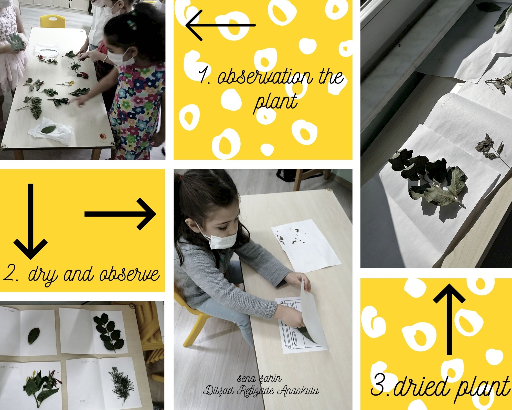
2. Clean it of soil debris and dry leaves
3. Place it on absorbent paper or newspaper
4. Cover
5. Press down on the heavy book
6. Stick the dried plant with paper strips to the piece of paper.
7. Describe the plant.
Ready! Good luck!
Przedszkole Wesołe Jabłuszko
w Samborcu - Polska
Elżbieta Gil
Ewelina Wielgus
Przedszkole "Wesołe Jabłuszko"
w Samborcu - Poland
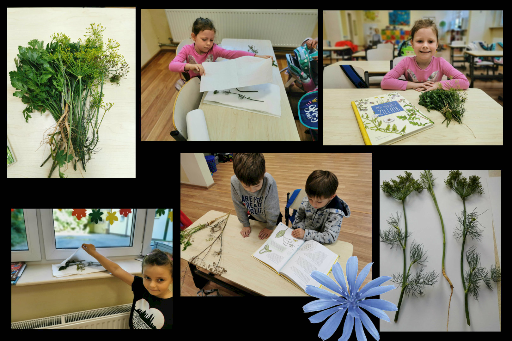
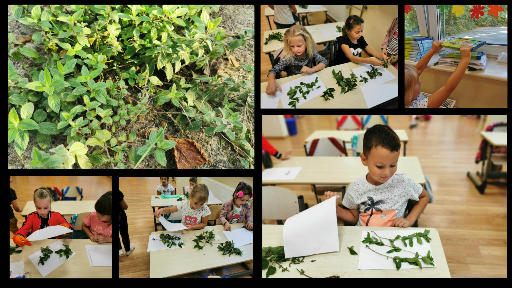
DUYGU MENDERES- ŞEHİT JANDARMA ER BAHADIR AYDIN SECONDARY SHCOOL- BURSA/ TURKEY
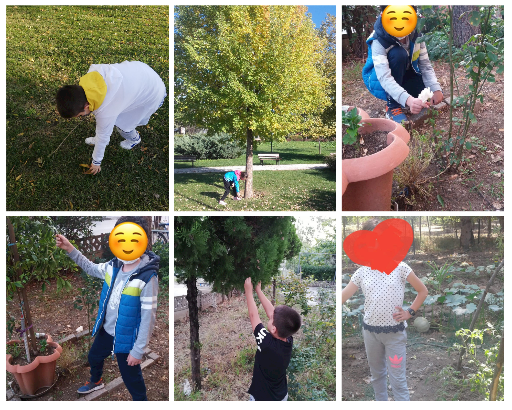
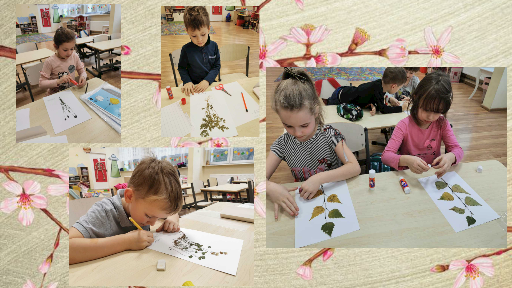
Some Extra Activity
Some Extra Activity.
SENA ŞAHİN - DİLŞAD REFİZADE ANAOKULU- ANTALYA
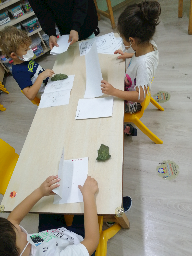
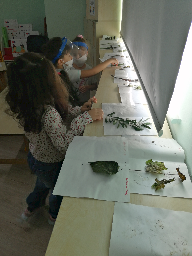
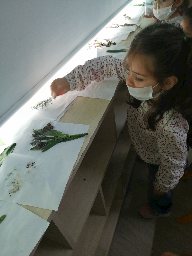
Mine DEMİR TÜRK
Muş Bilsem/ TURKEY
- < BEGINNING
- END >
-
DOWNLOAD
-
LIKE(1)
-
COMMENT()
-
SHARE
-
BUY THIS BOOK
(from $6.59+) -
BUY THIS BOOK
(from $6.59+) - DOWNLOAD
- LIKE (1)
- COMMENT ()
- SHARE
- Report
-
BUY
-
LIKE(1)
-
COMMENT()
-
SHARE
- Excessive Violence
- Harassment
- Offensive Pictures
- Spelling & Grammar Errors
- Unfinished
- Other Problem





COMMENTS
Click 'X' to report any negative comments. Thanks!