
ÇİNİ SANATI NEDİR?
(WHAT IS TILE ART)
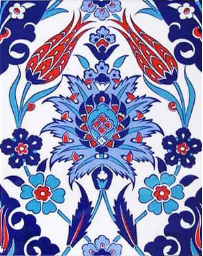
Çini sanatı, toprağın pişirilip sırlanması sonucu sanatçı ellerin renklendirilmesiyle ortaya çıkmaktadır. Çini; emek, sabır ve yetenek isteyen değerli bir sanat dalıdır.
(The art of tile emerges by coloring the artist's hands as a result of the soil being fired and glazed. Tile; It is a valuable art branch that requires effort, patience and talent.)
ÇİNİ SANATI NASIL YAPILIR?
(HOW TO MAKE TILE ART?)
Çini sanatı; topraktan yapılan, sırlanan, nakışlanarak pişirilen sanat eseridir. Daha genel ifade ile porselenin pişirilmesiyle elde edilen seramiklere verilen isimdir. Henüz pişirme işlemi gerçekleştirilmeden toprağa şekil verilir. Daha
renkler ve desenler eklenir.
sonra basamak basamak
(Tile art is a work of art made from soil, glazed, and baked by embroidery. More generally, it is the name given to ceramics obtained by firing porcelain. The soil is shaped before the cooking process is carried out. Then, step by step colors and patterns are added.)
ÇİNİ SANATININ TARİHİ
(HISTORY OF TILE ART)
Çini sanatının tarihi uzun yıllara dayanmaktadır. Bu el sanatı, Karahanlı dönemine ait yapılarda bir süsleme sanatı olarak görülmüştür. Türk çini sanatının bin yılı aşkın bir geçmişe sahip olduğu anlaşılmaktadır. Çini sanatı, Büyük Selçuklular ve Anadolu Selçukluları tarafından sürdürülmüştür. Selçuklular döneminde birçok cami, menderes, saray, türbe ve kervansaray çini sanatı ile süslenmiştir.
(The history of tile art dates back to many years. This handicraft was seen as an art of decoration in buildings belonging to the Karakhanid period. It is understood that Turkish tile art has a history of over a thousand years. Tile art was continued by Great Seljuks and Anatolian Seljuks. During the Seljuk period, many mosques, meander, palaces, tombs and caravanserais were decorated with tile art.)
Bu dönemde genellikle lacivert, mavi, hardal, kahverengi ve siyah renkler kullanılmıştır. Selçuklu dönemine ait çiniler genellikle altıgen, kare ve dikdörtgen şeklindedir. Genellikle mozaik şekiller kullanılır. Mozaik figürlerin yanı sıra Kufi tarzı yazılara ve Rumi motiflerine de yer verildi. Selçuklu döneminden sonra birçok beylik bu sanatı icra etti. Osmanlı devletinin kurulmasıyla birlikte çini sanatı farklı bir dönemde yaşamış ve anlam kazanmıştır.
(During this period, generally navy, blue, mustard, brown and black colors were used. The tiles belonging to the Seljuk period are generally in hexagonal, square and rectangular shapes. Mosaic shapes are generally used. In addition to mosaic figures, Kufi style writings and Rumi motifs were also included. After the Seljuk period, many principalities performed this art. With the establishment of the Ottoman state, tile art lived in a different period and gained meaning.)
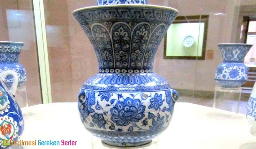
Osmanlı döneminde farklı yapılar motif ve renklerle süslenerek çini sanatı yaşatıldı. Tarih boyunca geleneksel bir Türk el sanatı olarak yerini almıştır. 16. yüzyılda İznik ve Kütahya çinileri gelişti ve Türk çini sanatı olarak zirveye ulaştı. Bu dönemde İznik'te üretilen çiniler daha renklendi. Yeşil, kırmızı, turkuaz, lacivert ve kahverengi tonları kullanılarak fark eklenir.
(During the Ottoman period, the art of tile was kept alive by decorating different structures with motifs and colors. It has taken place as a traditional Turkish handicraft throughout history. In the 16th century, Iznik and Kütahya tiles developed and reached the peak as Turkish tile art. During this period, the tiles produced in Iznik became more colorful. The difference is added by using green, red, turquoise, dark blue and brown tones.)
Çin porselenlerinin Osmanlı seramikleri üzerindeki etkisi Baba Nakkaş zamanından itibaren izlenebilmektedir. Raby'ye göre oluşumunu Çin'in seramik süslemelerine borçlu olan bu üslubun motifleri Osmanlı ustaları tarafından geliştirilmiş ve ortak bir konsept içinde ve daha detaylı incelenmiştir. İlham olarak başlayan Çin etkisi, 1520'li yılların sonundan itibaren diğer üretimlerin yanı sıra birebir taklit uygulamalarının da üretilmesiyle devam ediyor. Günümüze ulaşan sayısız örnekle, saraya çeşitli şekillerde gelen ustaların Yuan ve Erken Ming dönemine ait formları tekrarlayan Mavibeyaz Çin porselenlerinin de ilerleyen yıllarda çeşitli motif ve düzenleme şemalarını benimsedikleri kanıtlanmaktadır.
ÇİNİ SANATININ TÜRK KÜLTÜRÜNDEKİ YERİ
(The Place of Tile Art in Turkish Culture)
(The influence of Chinese porcelains on Ottoman ceramics can be traced from the time of Baba Nakkaş. According to Raby, the motifs of this style, which owes its formation to the ceramic ornaments of China, were developed by the Ottoman masters and studied in a common concept and in more detail. The Chinese influence, which started in the form of inspiration, continues with the production of one-to-one imitation applications as well as other production since the end of the 1520s. It is evidenced by the numerous examples that survived, that the masters who came to the palace in various ways, repeating the forms of the Yuan and Early Ming period Mavibeyaz Chinese porcelains, also adopted various motifs and arrangement schemes in the following years.)
(Some symbols and motifs are frequently repeated in Iznik tile motifs and in tile motifs in general. This situation has religious and symbolic reasons.)
ÇİNİ SANATINDA KULLANILAN MOTİFLER VE ANLAMLARI
(MOTIFS USED IN TILE ART AND THEIR MEANS)
(The rose and bud motif brings to mind the scent of the prophet's skin and symbolizes love and beauty.)
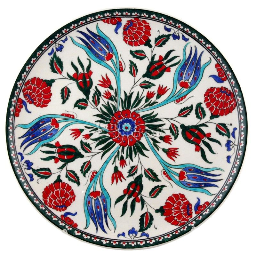
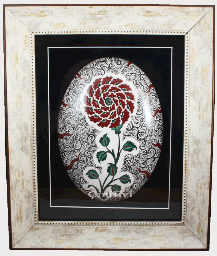
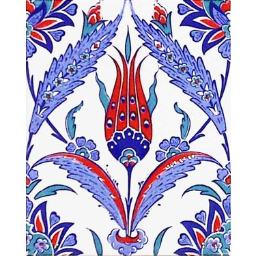
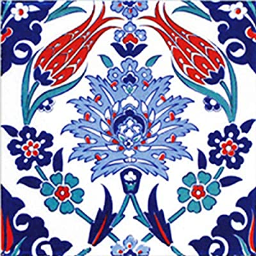
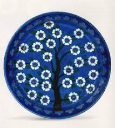
(Spring trees in bloom depict heaven.)
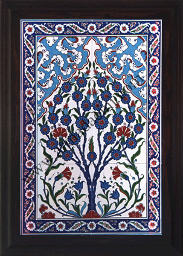
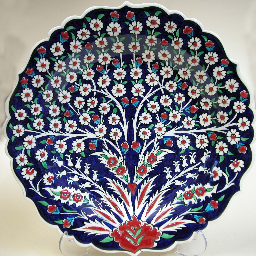
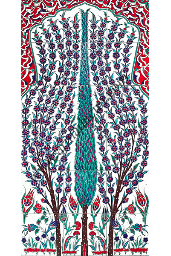
•Selvi ağaçları sabrı temsil eder.
ÇİNİ SANATINDAKİ ÖNEMLİ KİŞİLER ( IMPORTANT PEOPLE IN TILE ART )
FAİK KIRIMLI
FARUK ŞAHİN
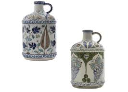
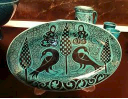
TURGUT TUNA
ÖNEMLİ ÇİNİ ESERLERİ
IMPORTANT TILE WORKS
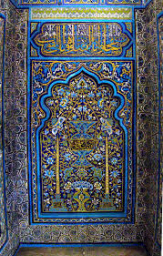
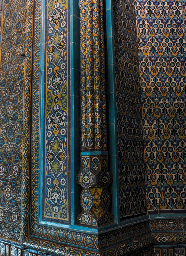
YEŞİL CAMİİ (GREEN MOSQUE)
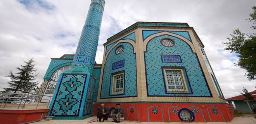
•Caminin ünü, 15. yüzyıl Osmanlı çini sanatı için ayrı bir özelliğe ve öneme sahip çini kaplamalarından gelir.
(The fame of the mosque comes from the tile coverings, which have a special feature and importance for the 15th century Ottoman tile art.)
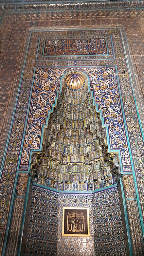
TOPKAPI SARAYI(TOPKAPI PALACE)
(Topkapı Palace is the palace in Istanbul where the Ottoman Empire was used as the administrative center of the state for 400 years and where the Ottoman sultans lived. It is used as a museum today.)
(Topkapi palace; The most intense of tile art. It is a magnificent building. Facial patterns are like a visual feast. It stands out in almost every step of the palace.)
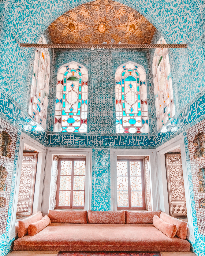
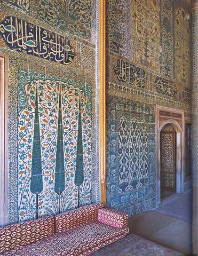
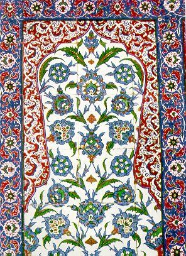
SULTAN AHMET CAMİİ
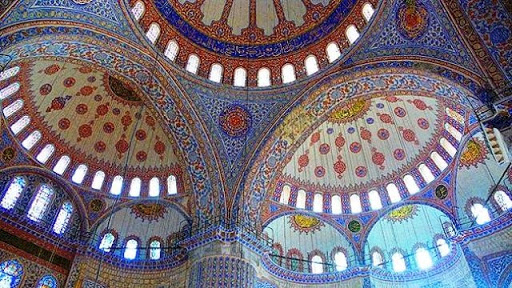
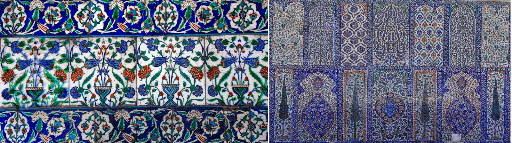
(SULTAN AHMET MOSQUE/BLUE MOSQUE)
•Sultan I.Ahmet tarafından yaptırılan Tarihi Yarımada’nın en önemli sembollerinden olan yapı, mimarisi ve sanatsal özellikleriyle Osmanlı’da klasik dönemin zirve eserlerinden biridir.
(Built by Sultan Ahmet I, one of the most important symbols of the Historic Peninsula, the building is one of the top works of the classical period in the Ottoman Empire with its architecture and artistic features.)
(The most distinctive feature of the Sultan Ahmet Mosque is the abundance of tiles.)
SELİMİYE CAMİİ(SELİMİYE MOSQUE)
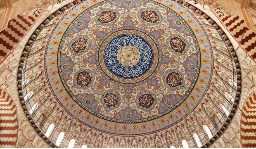
(Selimiye Mosque, located in Edirne, the Ottoman Sultan II. It is the mosque that Selim built by Mimar Sinan. Selimiye Mosque is one of the most important works of Ottoman architecture.The interior of the building is decorated with Iznik tiles.)
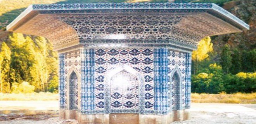
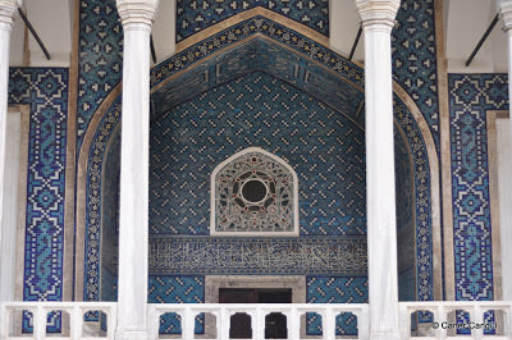
(Tiled Kiosk is a mansion built in 1472, located inside the outer walls of Topkapi Palace.)
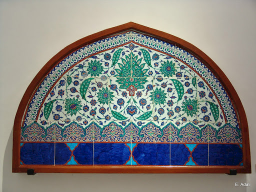
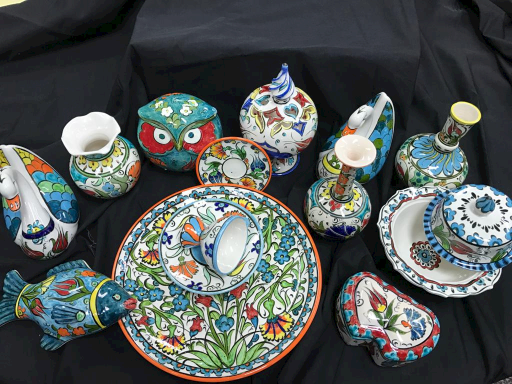
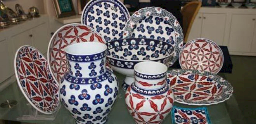
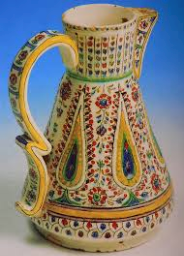
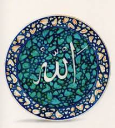
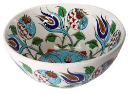
Okulumuzda yaptığımız çini örnekleri :)
(Tile samples we made in our school)
- < BEGINNING
- END >
-
DOWNLOAD
-
LIKE
-
COMMENT()
-
SHARE
-
BUY THIS BOOK
(from $4.99+) -
BUY THIS BOOK
(from $4.99+) - DOWNLOAD
- LIKE
- COMMENT ()
- SHARE
- REMIX
- Report
-
BUY
-
LIKE
-
COMMENT()
-
SHARE
- Excessive Violence
- Harassment
- Offensive Pictures
- Spelling & Grammar Errors
- Unfinished
- Other Problem






COMMENTS
Click 'X' to report any negative comments. Thanks!