IN THIS BOOK, TOGETHER WITH ALL OUR PROJECT PARTNERS, WE SHARE WITH YOU THE LIVES OF SCIENTISTS WHO HAVE WRITTEN THEIR NAME IN HISTORY

AZİZ SANCAR
Safina
Gizem Dila Akçaöz
Şehit Hakan İncekar Ortaokulu

Prepared by: Safina
Subject: Aziz Sancar's life
Safina
Gizem Dila Akçaöz
Ş.H.İ.O
Safina
Gizem Dila Akçaöz
Ş.H.İ.O
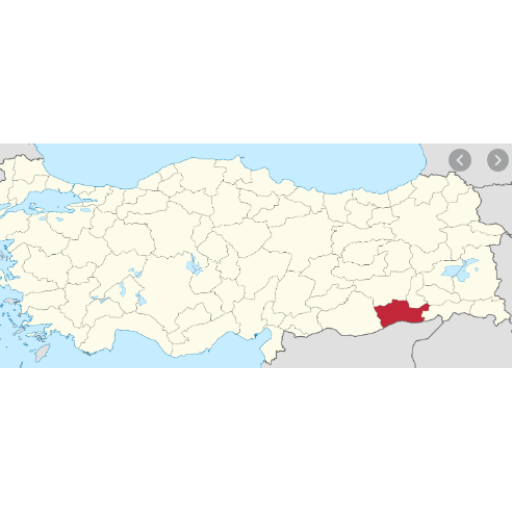
I was born in 1946 in Savur which is a town and district in the Mardin Province of Turkey. I was the seventh of eight children in a farmer family. My parents knew the importance of education.

Throughout my school life, I had great academic success that was noted by my teachers.
Safina
Gizem Dila Akçaöz
Ş.H.İ.O


I wanted to study chemistry at high school, but I was persuaded to study medicine when five of my classmates got into medicine. Thus, I studied medicine at the Faculty of Medicine of Istanbul University.
Safina
Gizem Dila Akçaöz
Ş.H.İ.O

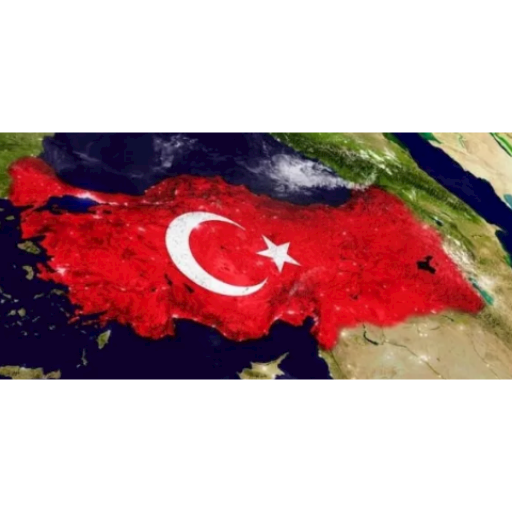
Turkey is my home, and my love for Turkey is above another loves!

I emphasizes that I am uncomfortable being shown as an Arab in every interview I give and that I am Turkish.
Safina
Gizem Dila Akçaöz
Ş.H.İ.O

I completed my primary and secondary education in Savur and Mardin. I graduated from Istanbul University Faculty of Medicine. I worked as a doctor for two years in Savur. When I saw the pain and suffering of the patients, I thought that I should do scientific research for the treatment of cancer and such diseases.
Safina
Gizem Dila Akçaöz
Ş.H.İ.O
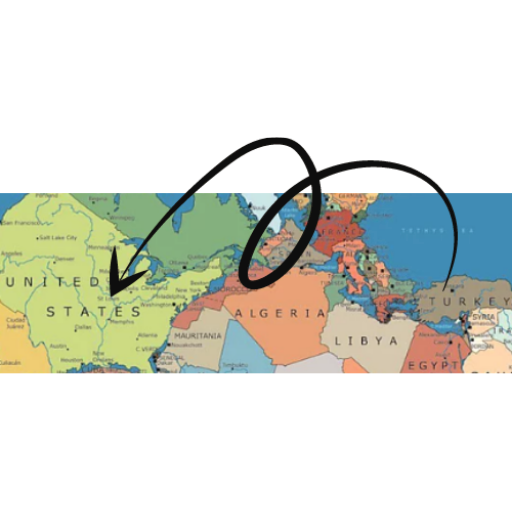
I went to America to improve my knowledge. I completed my PhD in molecular biology at the University of Texas in Dallas on DNA repair.
Safina
Gizem Dila Akçaöz
Ş.H.İ.O
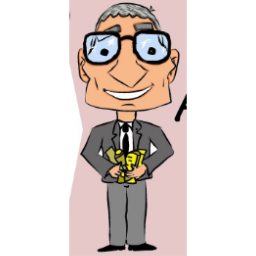


I gave my thesis as an associate professor in the field of DNA repair at Yale University. I started working in the fields of biochemistry and biophysics. I worked on DNA repair of cells, cell sequence, cancer treatment, and biological clock. I have achieved great success in scientific research with more than 400 scientific articles and more than 12 thousand references to these articles. I have published 33 books.
Safina
Gizem Dila Akçaöz
Ş.H.İ.O
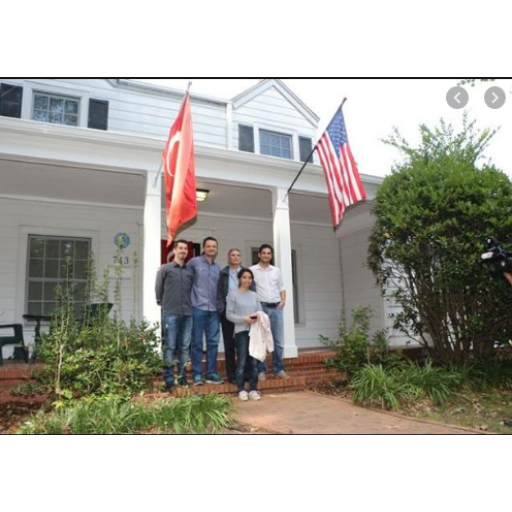
I was awarded the North Carolina Distinguished Chemist Award in 2001, and was elected to the US National Academy of Sciences, one of the most prestigious memberships in the scientific world, and became the first
Turkish American to be elected to this academy. In order to help and improve Turkish-American relations, along with my wife, we established the Aziz & Gwen Sancar Foundation and opened a student guesthouse named "Carolina Turkish House" in the US state of North Carolina.
Safina / Gizem Dila Akçaöz
Ş.H.İ.O
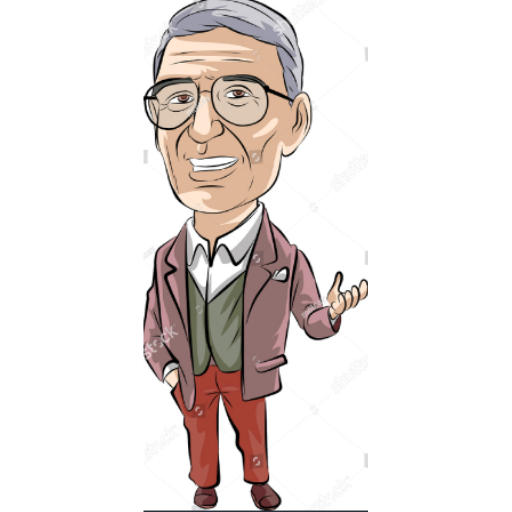
I was working around the clock to discover the secrets of DNA. I made many inventions as a result of my research. The most important of these was the discovery called "DNA Repair". Cells were known to repair DNA, but how this repair occurred was unknown. I found this repair mechanism as a result of the scientific studies I did for many years without getting tired.

Safina
Gizem Dila Akçaöz
Ş.H.İ.O
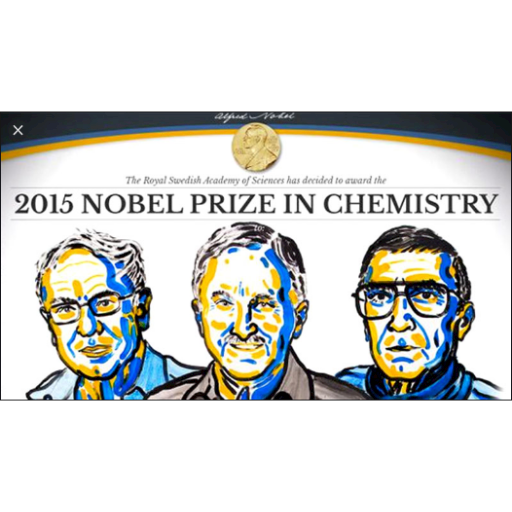
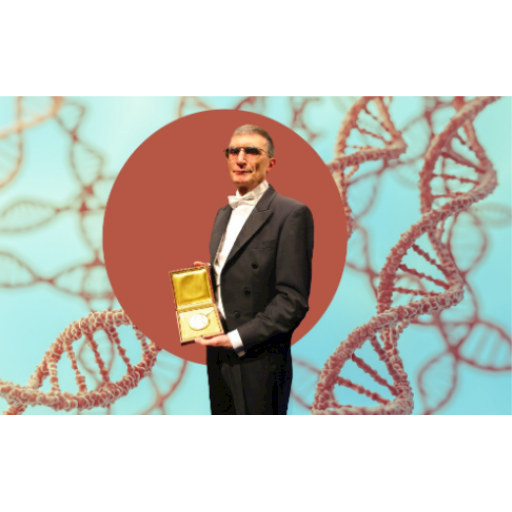
I became one of the three scientists who won the 2015 Nobel Prize in chemistry by mapping the DNA repair system of cancer cells at the end of long scientific studies. I am very happy for this on behalf of my country.
Safina
Gizem Dila Akçaöz
Ş.H.İ.O
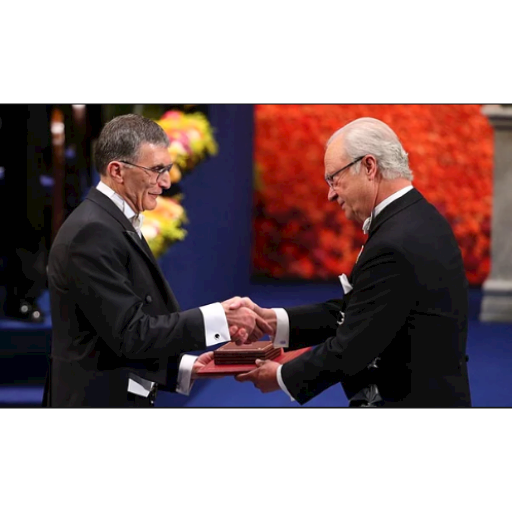
I received my award from Swedish King Carl 16. Gustaf in Stockholm, Sweden. I was the first Turkish national to receive the Nobel Prize in science. At the ceremony, I emphasized that I owe my success to my country.
Safina
Gizem Dila Akçaöz
Ş.H.İ.O
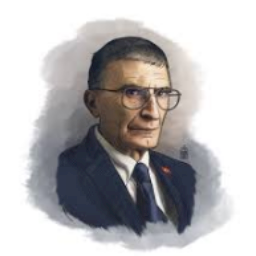
Because of my success, you can think that I'm a clever, even a genius. You also can. But you should not forget that the key point of success is your goal not your intelligence quotient. Success needs focus and hard work. Everyone moves on a way. But some people leave scars. The greatest happiness to future generations it is the legacy we left. You are like me can make great contributions to science, you can achieve great success.
Safina
Gizem Dila Akçaöz
Ş.H.İ.O
AYDIN SAYILI
(d. 2 Mayıs 1913, İstanbul - ö. 15 Ekim 1993, Ankara), Türk bilim insanı.
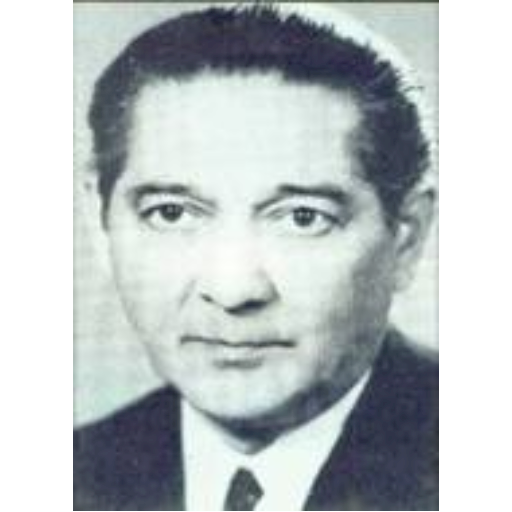
LIFE: He was born on May 2, 1913 in Istanbul. His father is Abdurrahman Bey and his mother is Suat Hanım. He was the third child of his family. Part of his childhood passed in Iran because his father was working in Iran [1]. He completed his primary education in Istanbul and secondary education in Ankara. During the graduation exams at Ankara Atatürk High School in 1933, President Mustafa Kemal Atatürk was also among the examination committee [2]. The president had asked this student to be taken care of upon his outstanding success. Reşit Galip Bey, Minister of National Education, directed him to be interested in the history of science. In the year he graduated from high school, he passed the Ministry of Education's exam to send students abroad and was sent to the United States to study science history at Harvard University. George Sarton was very instrumental in his upbringing [2].
In 1942, he received his doctorate from Harvard University with his thesis titled "Scientific Institutions in the Islamic World" directed by George Sarton. This doctorate is known as the first doctorate degree awarded in the field of science history in the world. When he returned home in 1943, he started to work at Ankara University Faculty of Language and History-Geography Department of Philosophy. History lessons were added to the department program when he took office [1]. He was appointed as Associate Professor of History of Science to the chair of philosophy in 1946. He became Professor of History of Science in 1952. He stayed in the USA for 10-11 months with the scholarships he received from the US government and the Fords Foundation in 1952-53 and 1956-57 and did research [3].
He declined offers from various American universities to fulfill his responsibilities to Ankara. In 1958, he received the title of Ordinaryus Professor. He published his masterpiece "Observatory in the Islamic World and Its Place in the History of General Observatory" in 1960 [4]. In 1974 he was elected as the head of the Philosophy Department of the faculty; He continued as the head of the department until his retirement in 1983.
After retiring from the university, two new institutions named Atatürk Cultural Center and Atatürk Research Center were established in 1984 and these institutions were merged with the Turkish Historical Society and the Turkish Language Association.
AWARDS:
Scan the QR code to watch the video.
(Videoyu izlemek için QR kodunu tarayın.)

Cafer Yağız
Şehit Ahmet Uzun Secondary School YALOVA
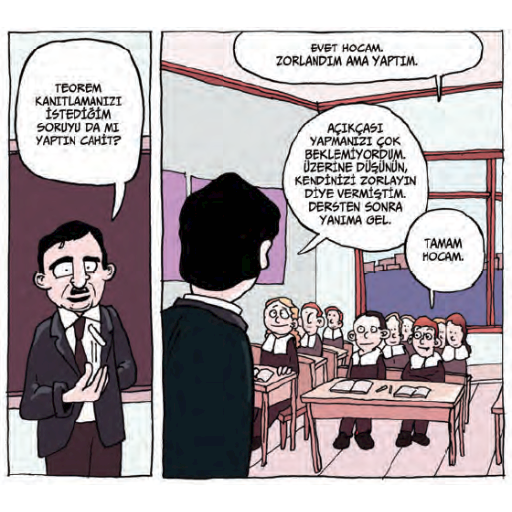
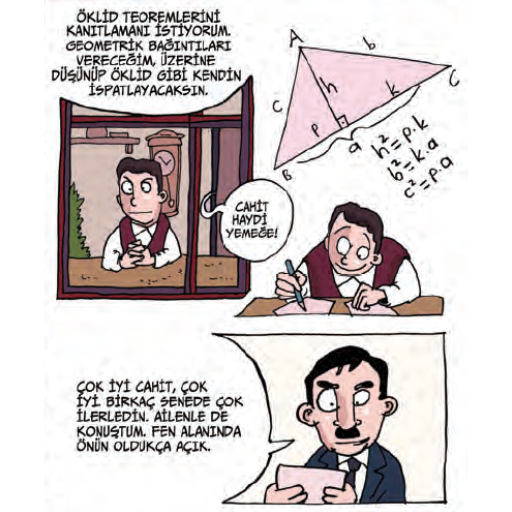
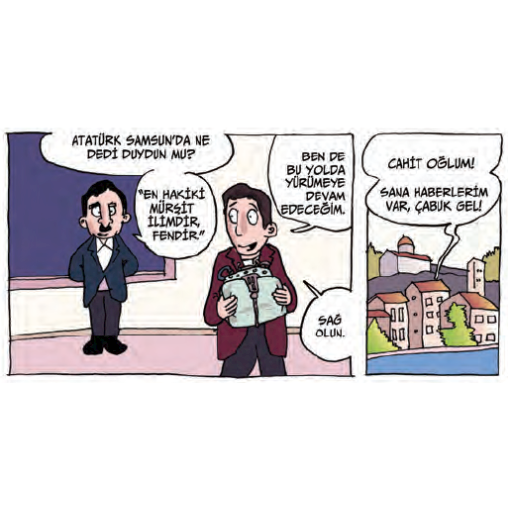
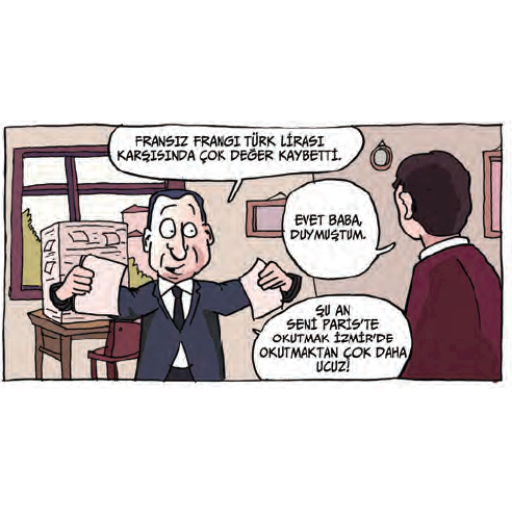
CAHİT ARF
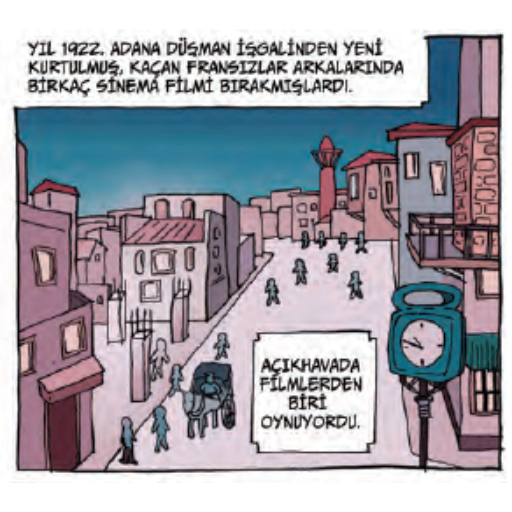
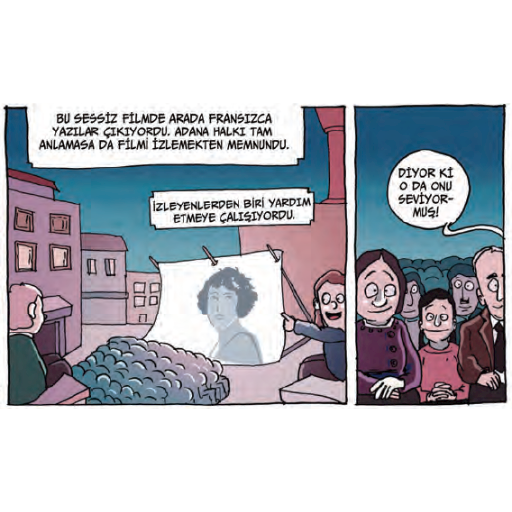
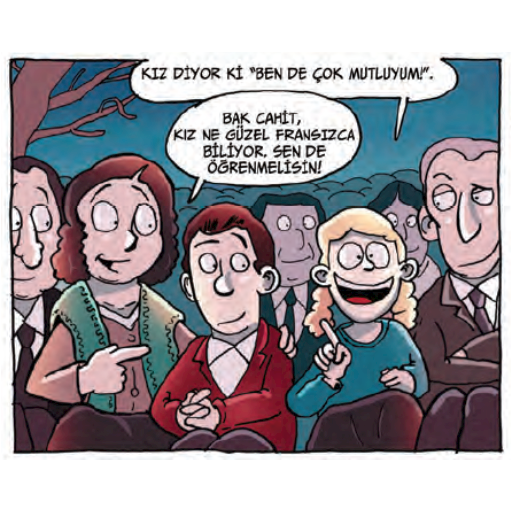
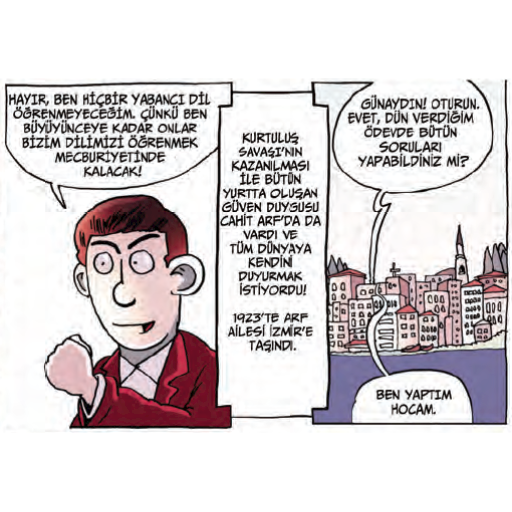
(d. 11 Ekim 1910, Selanik - ö. 26 Aralık 1997, İstanbul), Türk matematikçi ve bilim insanı. TÜBİTAK Bilim Kolu eski başkanı.
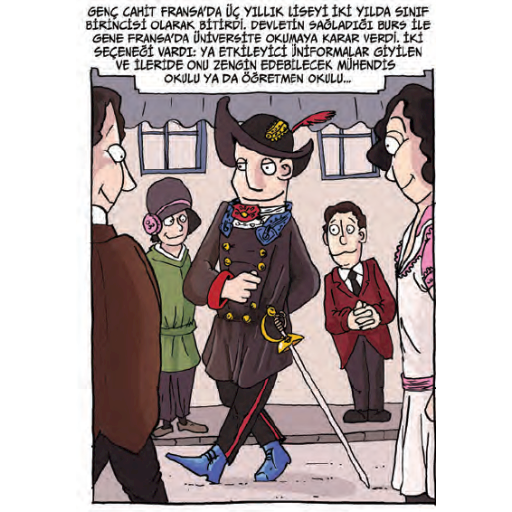
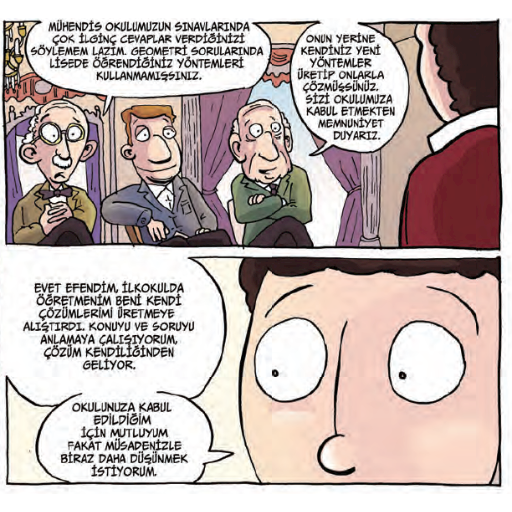
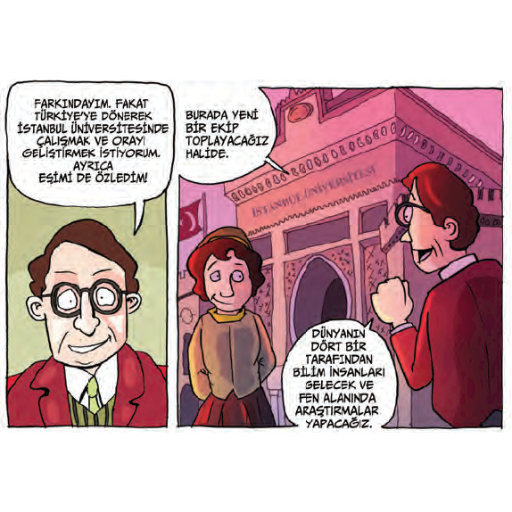
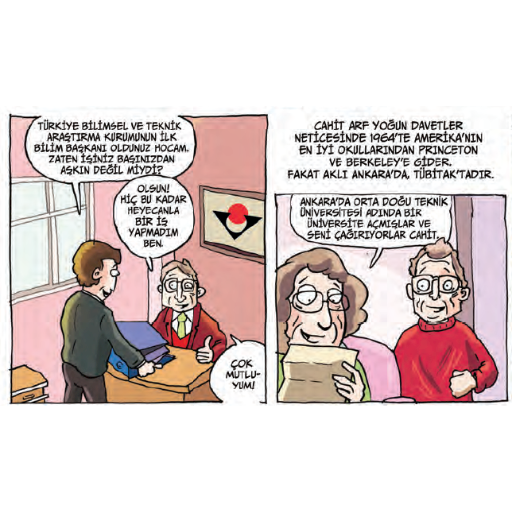
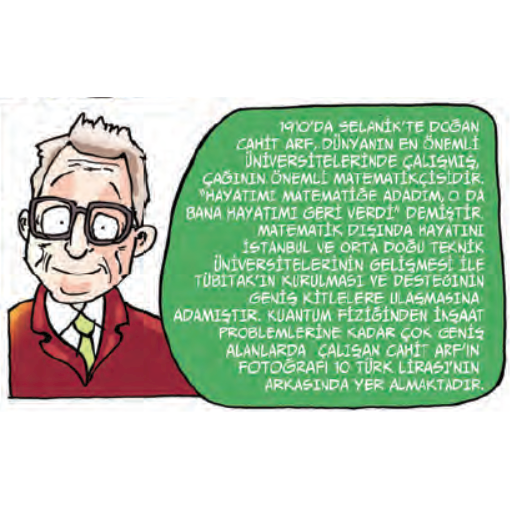
Scan the QR code to watch the video.
(Videoyu izlemek için QR kodunu tarayın.)
İlayda
Şehit Ahmet Uzun Secondary School
YALOVA
FEZA GÜRSEY
(d. 7 Nisan 1921, İstanbul – ö. 13 Nisan 1992, New Haven). Türkfizikçi ve matematikçi .
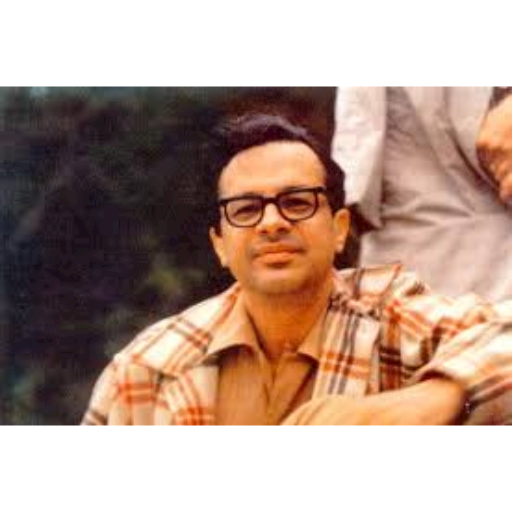
LIFE: On April 7, 1921, in Istanbul, Prof. Dr. Remziye Hisar (1902-1992) and Dr. He was born as the first child of Reşit Süreyya Gürsey (1889-1962). His father, Dr. Reşit Süreyya Gürsey is an intellectual with a great interest in science and arts, as well as being a medical doctor, physicist and teacher. His mother, Prof. Dr. Remziye Hisar was one of Darülfünun's first female students to study science and was a scientist who managed to get a State Chemistry Doctorate at the Sorbonne at a time when few women in Europe could have a career. Feza Gürsey was born in the family house of Remziye Hanım in Otağtepe, in Anadoluhisarı, Istanbul. He started primary school at the Jeanne d'Arc school in Paris and gained the admiration of his teachers. As her sister Deha Gürsey Owen tells, her teacher, Madam Denizot, loves Feza Gürsey very much because she learned everything quickly, and she did not leave her with him.
Feza Gürsey decided to study physics during his high school years. After graduating from Galatasaray High School with the first place in 1940, he became a student of Istanbul University Faculty of Science, and in 1944 he graduated from the Physics-Mathematics department with the first place. He passed the exam of the Ministry of National Education and was entitled to attend the British Imperial College, where between 1945-1950, Prof. Dr. He did his doctorate studies under the supervision of H. Jones. During this period, he published two important articles titled "A one-dimensional statistical system" and "On two component wave equations".". Between 1951-1957, with the support of Cahit Arf, he was appointed as an assistant to the Department of Applied Mathematics at Istanbul University.
In 1953, he received the title of associate professor with his thesis named "Classical and wave mechanics of spinning electrons", and a year later he was appointed to the Chair of Applied Mathematics as an associate professor.
In 1952, he married Suha Pamir, an assistant at the Faculty of Science of Istanbul University, and in 1954 the only child of Suha and Feza couple Yusuf was born. Between 1957 and 1961, he and his wife and son were at the Brookhaven National Accelerator Laboratory in the USA with the scholarship of the Atomic Energy Commission. During this period, he conducted various studies at Brookhaven National Accelerator Laboratory, Princeton Institute for Advanced Studies and Columbia
University with the most advanced studies in the world of physics. The first work of Feza Gürsey to make a name in this environment is the article that shows the relevance of load independence and Baryon conservation and Pauli Transformation.
THE REASON OF RECOGNITION: Gürsey returned to Turkey in 1961, until 1974, Prof. Dr. As a result of Erdal İnönü's persistence and efforts, he worked as a professor at the Department of Theoretical Physics at the Middle East Technical University (METU). During this period, studies in theoretical physics in Turkey has been trying to revive. He invited famous physicists from Princeton and Yale universities to METU and organized many conferences. He received the TÜBİTAK Science Award in 1968.
After retirement in 1991, he returned to Turkey, has settled in the room at the physics department of Bogazici University, he accepted the invitation. He died in Yale University's hospital on April 13, 1992, due to prostate cancer he was caught this year. His body was buried in the family cemetery in Anadoluhisarı.
AWARDS:
Scan the QR code to watch the video.
(Videoyu izlemek için QR kodunu tarayın.)
Kaan
Şehit Ahmet Uzun Secondary School YALOVA

Scan the QR code to watch the video
Prepared by: Zamina
Subject:Academic
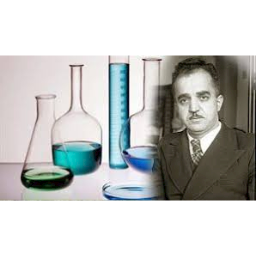
Yusif Mammadaliyev's life

Chemist Yusif Mammadaliyev was born in 1905 in Ordubad, Nakhchivan Autonomous Republic. He first studied at home, then in a new type of Ordubad school, moved to Tabriz with his family in 1918 and continued his education at a 7-year school in Rushdie. In 1920, he established the first girls' school in Nakhchivan.
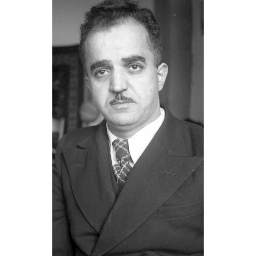
In 1933, he published a scientific work entitled "Extraction of ethyl alcohol from petroleum gases." In 1934, he published an article entitled "Problems of artificial rubber" in Azerbaijan and substantiated the possibility of creating synthetic rubber in our republic with scientific facts.
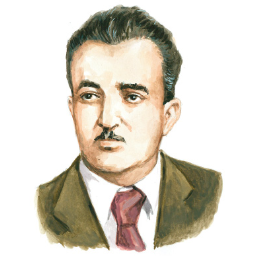
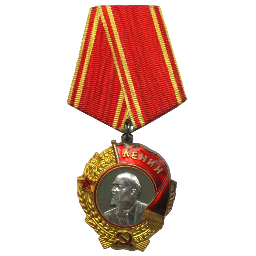
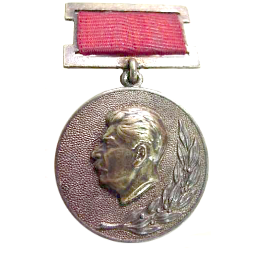
His research in this field was highly appreciated by the state, and in 1944 he was awarded the Order of Lenin and in 1946 the Stalin Prize.
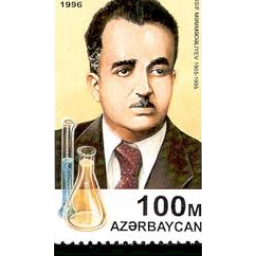
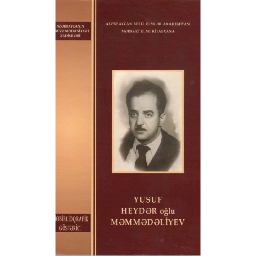

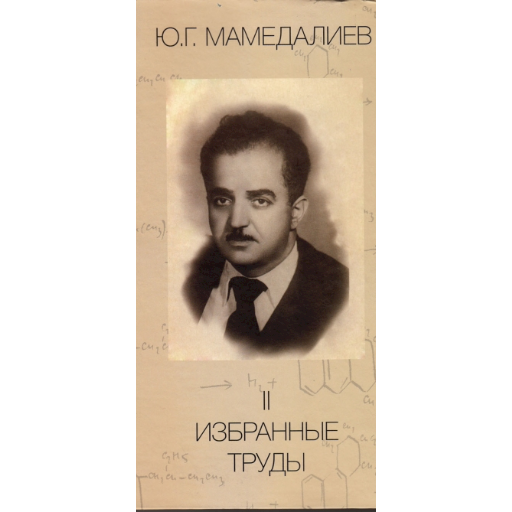
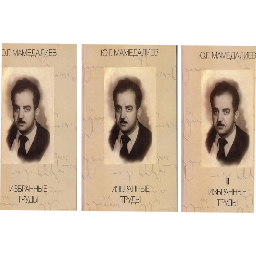
In accordance with the action plan for the 90th anniversary of the Institute of Petrochemical Processes of the Azerbaijan National Academy of Sciences, volumes I, II and III of selected works of academician Yusif Mammadaliyev were reprinted by Science Publishing House.
Another area of interest of academician YH Mammadaliyev was the history of science. His book "Development of Science in Azerbaijan" written in 1960 was the cornerstone of the works written in this field, and for the first time is a review of the history of development of 22 sciences.Academician Yusif Mammadaliyev respected and respected his teacher Nikolai Zelinsky. In 1951, he wrote and published the book "Nikolai Zelinsky" in Russian.
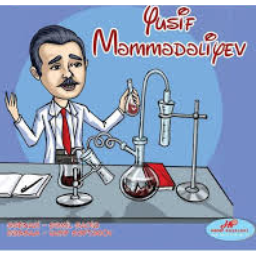
He is the author of more than 200 wonderful scientific works, 6 monographs, 36 doctors of sciences, and has worthily represented our country in the United States, France, England, Poland and Mongolia.Yusif Mammadaliyev died on December 15, 1961 in Baku and was buried in the Alley of Honors.
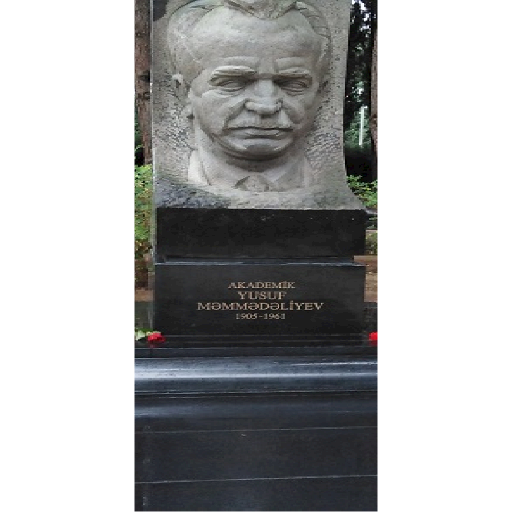
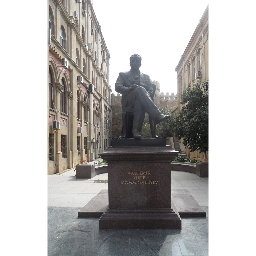
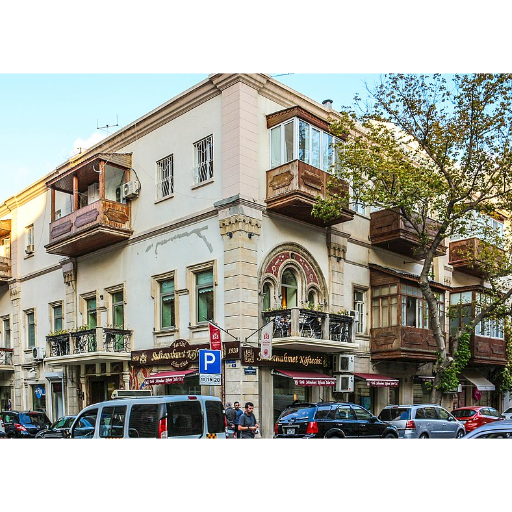
Monument to Yusif Mammadaliyev in Baku
Yusif Mammadaliyev Street in Baku
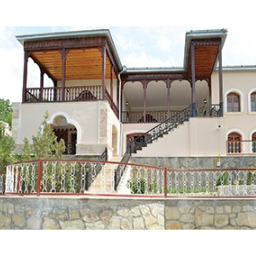
The house-museum of Yusif Mammadaliyev in Ordubad has been operating for about 40 years. The museum was established in 1975 under the care and patronage of national leader Heydar Aliyev.
TUĞBA AK/ÜNYEİHO
Scan the Qr code read my e book :)
BLAİSE PASCAL's
life story
AHMET/ÜNYE İMAMHATİP SECONDARY SCHOOL

June August 19,1623 – August 19, 1662) was a French inventor,mathematician, physicist, writer and philosopher. His best known basic work is thoughts.
He was a genius child, educated by his father, who was a tax collector in Rouen.
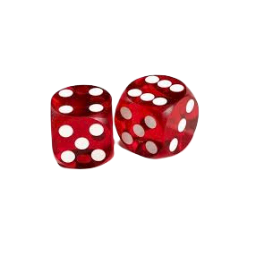
Pascal's early work was in the natural sciences and Applied Sciences. During this period, he made major contributions to studies on fluids and clarified the concepts of pressure and vacuum by generalizing the work of Evangelista Torricelli.
work with Toriçelli
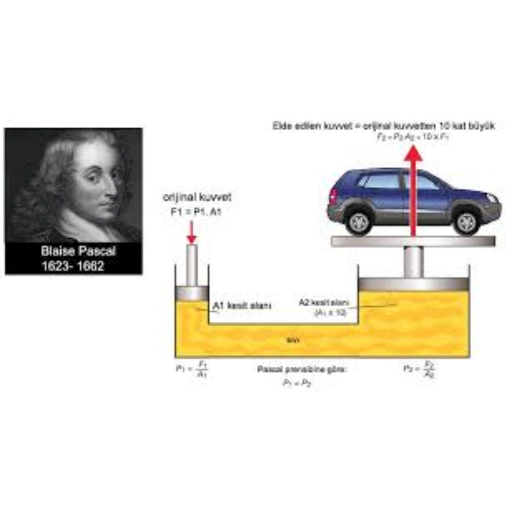
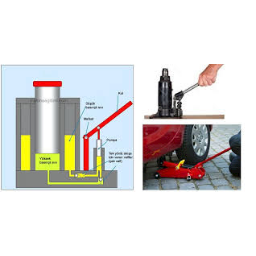
Pascal's work in the field of hydrodynamics and hydrostatics focused on hydraulic fluids. Hydraulic press (increasing force using hydraulic pressure) and syringe are among his inventions. He proved that hydrostatic pressure depends not on the weight of the liquid, but on the difference in elevation. To demonstrate this principle, he connected a thin long tube to a water-filled barrel and filled the tube with water up to the height of the third floor of a building. This caused water to leak out of the barrel, and this experiment was later named Pascal's barrel experiment.
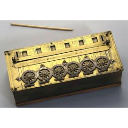
At the same time, Pascal advocated the scientific method. In 1642, despite his youth, he pioneered some work on calculators. After three years of hard work and fifty prototypes, he became one of the first two inventors of the mechanical calculator. In the following decade, the Pascal calculator made 20 more of these machines, later called the Pascaline.
Pascal was an important mathematician who helped create two main research topics. At the age of 16, he wrote a notable scientific work on projection geometry
He later became similar to Pierre de Fermat in probability theory and had a great influence on the development of modern economics and the Social Sciences. Like Galileo and Torricelli, he refuted the followers of Aristotle, who argued in 1646 that “the universe does not accept emptiness”. he later became similar to Pierre de Fermat in probability theory and had a great influence on the development of modern economics and the Social Sciences. Like Galileo and Torricelli, he refuted the followers of Aristotle, who argued in 1646 that “the universe does not accept emptiness”.
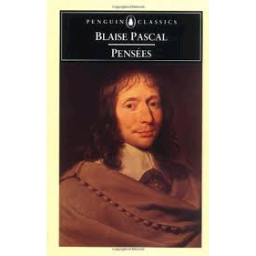
His father died in 1651. By the end of 1654, he had made impressive studies in philosophy and theology using his religious experience. His two best-known works, Lettres provinciales and pensées, about the conflict between the disciple of Jansenism and the Jesuits, belong to that period.
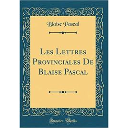
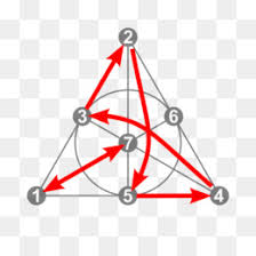
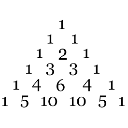
Pascal continued to influence mathematics throughout his life. In the same year, he also wrote an important scientific work on the arithmetic triangle. Between 1658 and 1659 he wrote on the use of Cycloides and solids in calculating volume. Pascal's study of the arithmetic Triangle, called Traité du triangle arithmetic in 1653, introduced binomial multipliers as a suitable table (Pascal's triangle).
THE END


Prepared by Asmar A
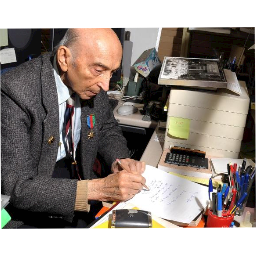
Lutfi Zadeh's
life story
The main development philosophy of the XXI century is knowledge. He who has knowledge will be stronger. The strong always wins.
Lutfi Zadeh
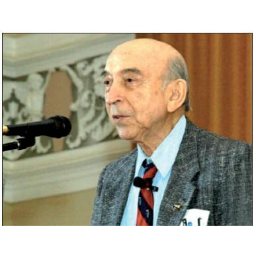

Lutfi Zadeh was born on 4 February 1921 in Novkhani, Baku, Azerbaijan. Lutfi began his education at school No. 16 in Baku. When he was 10 years old, he left Baku with his family and moved to Tehran. Little Lutfi had just graduated from the third grade of a Russian- language school. After moving to Tehran, he continued his education at the American Albors Missionary School. It was at this school that he first learned about American science and culture. The conditions created for the development of science there attracted him to America from his school years.
After graduating from high school, he entered the Faculty of Electrical Engineering at Tehran University. The American life of the great scientist began in 1944 . After graduating from Tehran University with remarkable success, he came to the United States and studied at the Massachusetts Institute of Technology 1947 , was already working at Columbia University. He received a master's degree in electronics engineering from the university in 1948 and a professorship in 1957.
At that time, Lutfi Zadeh came to California Berkeley University, on the recommendation of Norbert Wiener , a well- known scientist, and the father of cybernetics. The scientist, who initially had some difficulties here, later adapted to the conditions and remained a professor at the University of Berkeley until the end of his life.
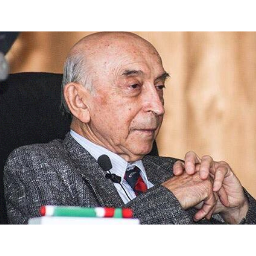
Prior to Lotfi Zadeh, such a view prevailed in science: specifically, white is white and black is black. True is true, and false is false. Everything that is correct is accurate. Lotfi Zadeh proved that our thoughts and ideas are not completely accurate. There is no full white and no black. There are other shades of white and black. There is also no complete lie and no complete truth. Take, for example, a barn with a few grains of wheat. Both are more than a grain of wheat. That is, a few grains of wheat are more than a grain of wheat, as well as those in storage. But there is no equality between the two sets. We do not know how much or how little they are. Based on this, Lotfi Zadeh put forward the idea of inaccuracy. Prior to Lutfi Zadeh, truth and falsehood were assessed as "true", "absolutely true", "very true", "somewhat true", "false", "completely false, wrong", "fabricated" and so on.
NASA and Lutfi Zadeh
Lotfi Zadeh's famous theories of space, control of dynamic systems and observation form the basis of modern management science. The US National Aeronautics and Space Administration (NASA) studies, designs and implements control systems based on these theories.
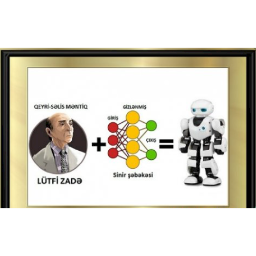
However, such an assessment was not used in science. It was our compatriot Lutfi Zadeh who used such an assessment for the first time in science. Such an assessment helped to understand life, the world more accurately (as it were). Thus, he showed and discovered a new way of understanding life, the world, the universe. This is called a new scientific view of the world. Thus, Lotfi Zadeh revolutionized science. Lotfi Zadeh's scientific discoveries were first used in Japanese companies and industrial companies. Based on his discovery, washing machines, cameras, color TVs, etc. were made in Japan. was produced. It is enough to press a button to do a certain job on each of these devices. For example, pressing a button on a washing machine can find a stain on a garment, release the appropriate medication, and finish washing the garment. Thus, a "smart" machine can do what a person can do for a long time in a short time. For the great scientific significance of Lotfi Zadeh's discoveries, he was awarded the highest award in the field of science in Japan. The United States space programs are also based on Lutfi Zadeh's new scientific discoveries. This will allow us to study the world and the universe more deeply and better.
In the 21st century, intelligent machines will be created that will be able to think on a human, human-like level. The spacecraft itself will be controlled by thought in the near future. You don't even have to be on board to control a spacecraft. Lotfi Zadeh also made a great contribution to the science of world governance. The leading countries of the world are now using this discovery of the scientist. Computers based on Lotfi Zadeh's discovery are controlled by words and sentences, not numbers and codes. That is, the train, the car is driven automatically. It is controlled by an electronic robot, which is better than the driver.
The entire map of the route is displayed on a large computer attached to the driver's steering wheel. This map shows all the curves, bridges, crossings, road condition, etc. on the route. is given with full accuracy. Thus, for the first time in his life, a driver working on this route confidently drives a bus. When a driver makes a small mistake, the computer "speaks" and corrects the mistake. This discovery of Lotfi Zadeh will not lose its significance in the coming centuries. That is why Lotfi Zadeh will remain the most famous scientist in the world for centuries to come. Lotfi Zadeh is the greatest scientist that our people gave to world science after Nasreddin Tusi. He is the genius son of our divided homeland, our homeland. Many international conferences dedicated to Lotfi Zadeh's scientific discoveries were held. The honorary chairman of such conferences is usually himself. The world's most famous scientists speak at such conferences.
Lotfi Zadeh invites Azerbaijani scientists to speak at all conferences or gives the floor to other Turkish scientists. Thus, he appreciates the scientists of the Turkic peoples and introduces them to the world. Lotfi Zadeh is a world-famous scientist. The world's most famous scientists have made one or two discoveries that perpetuate their names. Lotfi Zadeh has five such discoveries. He is one of the scientists whose name is forever engraved in history. He was named an honorary professor for life at the University of California, USA. This was the fate of only one or two of the world's scientists. Azerbaijani scientists have established the International Academy of Modern Sciences named after Lotfi Zade.
In addition to fuzzy logic theory, Lotfi Zadeh proposed five fundamental scientific theories: "theory of impressions", "systems theory", "word-based computer theory", "optimal filter theory" and "soft computing".
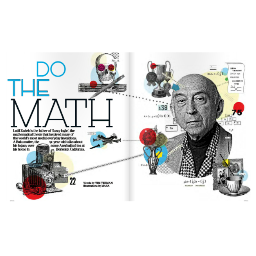
Prepared by Valida and Fidan


Nasreddin Tusi was deeply interested in various fields of science.His more than a hundred serious works were doveted to
astronomy,mathematics,medicine,philosophy,
ethics,logic and other fields of science.How-
ever,research in Tusi is and mat hematics has a special place in Nasreddin`s work.Tusi is the
author of more than twenty successful studies in these areas.His works on mathematics were
written only in Arabic,and his research on astronomy was written in Persian and Arabic
Among the most famous works of the mathematician are"Shackle-continent"
("Treatise on the whole versatility"),
"Came`ul-accont","The size of a circle","Tahrir Oglidis"(Euclid").Books such as "Description of the Beginning"have a special place.The four-part work "Zici-Ilkhani"("Astronomical tables of the Ilkhanids")has made the namenof the
scientist in the history of world astronomy.
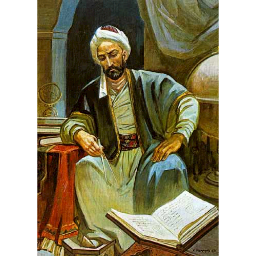
Many contemporary researchers consider
Nasreddin Tusi to be,above all,a mathematic-
ian.His works played an important role in the
development of geometry and trigonometry,
not Beginning,published in Rome in 1594 in Arabic and later in Latin,was instrumental in
spreading Tusi`s ideas in Europe.His five-volu-
me treasite on the quadrilateral is known as
one that played an important role in the
development of trigonometry in Europe.
For the first time in the history of world science,
trigonometry is approached as an independent branh of science.This pamphlet has been translated into English,Russian and
French.Among Nasreddin`s researches in the
field of algebra,the method of rooting and the
Binomial formula are the most well-known of all degrees.
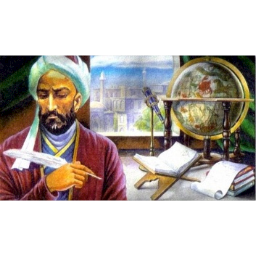
In addition,the scientist`s numerous works on history,degrees.In addition,the scientist`s numerous works on history,mineralogy,physics,medicine,economics,geography,music and,of course,astronomy are also noteworthy.Among them are "History
of Baghdad","Treatise on Reflection and Refraction of Light","Euclidean Optics","Treatise on Reflection and Refraction of light","Euclidean Optics","Treatise on the
Study of the Rainbow","Book on Precions Stones","Medical Laws",Treatise on Public Finance","Choosing happy days"(astrology)
and other works can be mentioned.
mehmet FUAT KÖPRÜLÜ
b.1890,İstanbul - d. 1966,İstanbul
Turcologist
Ordinaryus Professor Historian
Politician in the Ministry of Foreign Affairs
Mehmet Hürdoğan KOÇ
Prepared by Kerem Ediz
He joined the Fecr-i Âti community in 1909. He dropped out of law to advance in literature and history.
Istanbul Sultani Ottoman teacher, Turkey Literature teacher, Galatasaray Sultani Ottoman Literature teacher at Darülfünun Faculty of Turkish Literature and History teacher and Civil Schools have been found in Political History and History of Turkey teaching duties.

He published the Divan Literature Anthology between 1932-1934. In 1933, he became ordinarius professor and dean several times at Istanbul University.
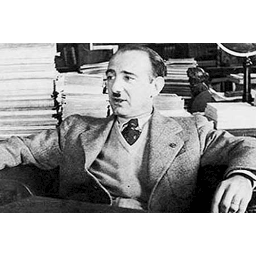

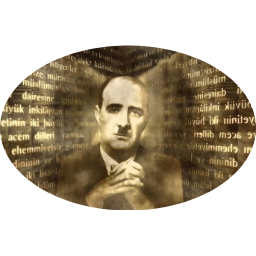
When he was a deputy from Kars, he left the Republican People's Party and founded the Democrat Party with his 3 friends.
He served as the Acting Head of State and Deputy Prime Minister.
Most of his works are Turkish Literature and Turkish Folk Literature researches.


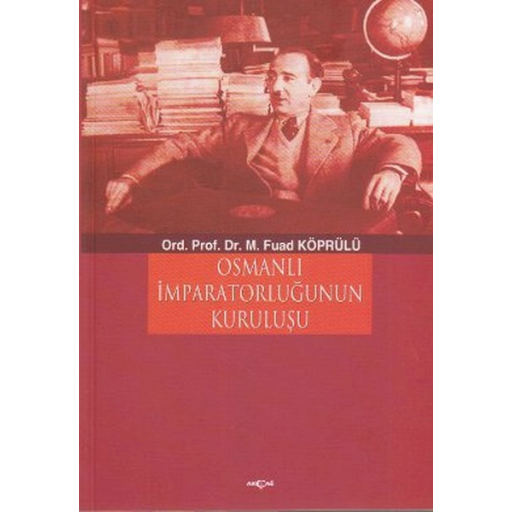
Mehmet Fuat Köprülü
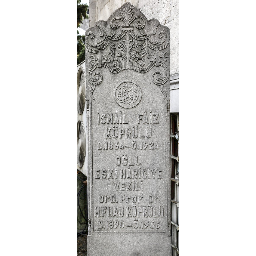
On June 28, 1966
He died in Istanbul.
In Çemberlitaş
At Köprülü Tomb
next to his father
was buried.
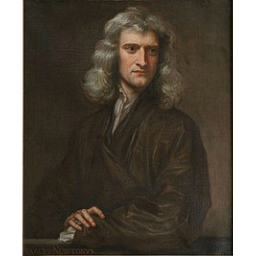
Died : 20 Mart 1726 (aged 84)
Nationality : English
Education : Trinity College, Cambridge (M.A., 1668)
Known for : Newtonian mechanics
Universal gravitation
Awards : FRS (1672)
Knight Bachelor (1705)
Prepared by Yaren
Esra Yeniceli
Hasanoğlan Secondary School, ANKARA
Sir Isaac Newton
Was an English mathematician, physicist, astronomer, theologian, and author (described in his time as a "natural philosopher"). Who is widely recognised as one of the greatest mathematicians and most influential scientists of all time and as a key figure in the scientific revolution.
His book Philosophiæ Naturalis Principia Mathematica (Mathematical Principles of Natural Philosophy), first published in 1687, established classical mechanics. Newton also made seminal contributions to optics, and shares credit with Gottfried Wilhelm Leibniz for developing the infinitesimal calculus.
In Principia, Newton formulated the laws of motion and universal gravitation that formed the dominant scientific viewpoint until it was superseded by the theory of relativity. Newton used his mathematical description of gravity to derive Kepler's laws of planetary motion, account for tides, the trajectories of comets, the precession of the equinoxes and other phenomena, eradicating doubt about the Solar System's heliocentricity. He demonstrated that the motion of objects on Earth and celestial bodies could be accounted for by the same principles. Newton's inference that the Earth is an oblate spheroid was later confirmed by the geodetic measurements of Maupertuis, La Condamine, and others, convincing most European scientists of the superiority of Newtonian mechanics over earlier systems.
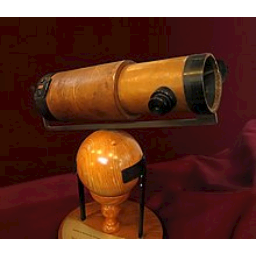
Newton built the first practical reflecting telescope and developed a sophisticated theory of colour based on the observation that a prism separates white light into the colours of the visible spectrum. His work on light was collected in his highly influential book Opticks, published in 1704. He also formulated an empirical law of cooling, made the first theoretical calculation of the speed of sound, and introduced the notion of a Newtonian fluid. In addition to his work on calculus, as a mathematician Newton contributed to the study of power series, generalised the binomial theorem to non-integer exponents, developed a method for approximating the roots of a function, and classified most of the cubic plane curves.
Newton built the first practical reflecting telescope and developed a sophisticated theory of colour based on the observation that a prism separates white light into the colours of the visible spectrum. His work on light was collected in his highly influential book Opticks, published in 1704. He also formulated an empirical law of cooling, made the first theoretical calculation of the speed of sound, and introduced the notion of a Newtonian fluid. In addition to his work on calculus, as a mathematician Newton contributed to the study of power series, generalised the binomial theorem to non-integer exponents, developed a method for approximating the roots of a function, and classified most of the cubic plane curves.
Newton was a fellow of Trinity College and the second Lucasian Professor of Mathematics at the University of Cambridge. He was a devout but unorthodox Christian who privately rejected the doctrine of the Trinity. Unusually for a member of the Cambridge faculty of the day, he refused to take holy orders in the Church of England.
Beyond his work on the mathematical sciences, Newton dedicated much of his time to the study of alchemy and biblical chronology, but most of his work in those areas remained unpublished until long after his death.
Politically and personally tied to the Whig party, Newton served two brief terms as Member of Parliament for the University of Cambridge, in 1689–1690 and 1701–1702. He was knighted by Queen Anne in 1705 and spent the last three decades of his life in London, serving as Warden (1696–1699) and Master (1699–1727) of the Royal Mint, as well as president of the Royal Society (1703–1727).

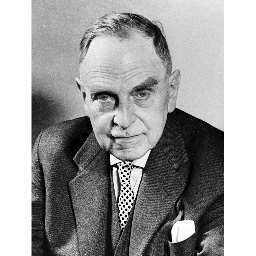
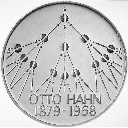
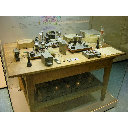
Died : 28 July 1968 (aged 89)
Nationality : German
Education : University of Marburg
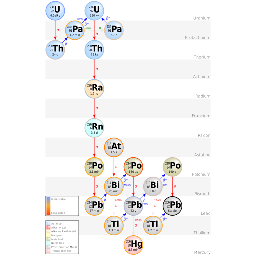
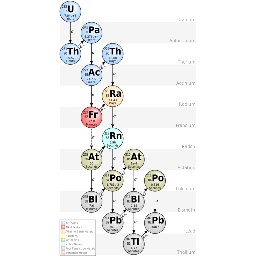
Known for: Discovery of radioactive elements (1905–1921)
Prepared by Yusuf Arda
Esra Yeniceli
Hasanoğlan Secondary School, ANKARA
Awards : Emil Fischer Medal (1919)
Cannizzaro Prize (1939)
Prepared by Yusuf Arda
Esra Yeniceli
Hasanoğlan Secondary School, ANKARA

Died : 1553 (aged 87–88)
Nationality : Ottoman
Education : University of Marburg
Known for : Drawing the Piri Reis map
Prepared by Batuhan
Esra Yeniceli
Hasanoğlan Secondary School, ANKARA
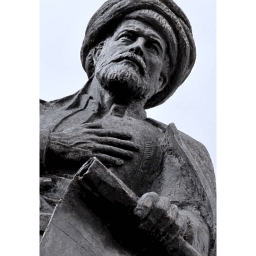
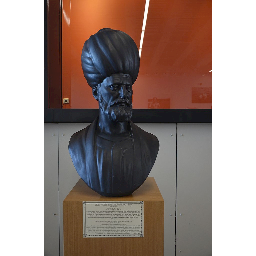
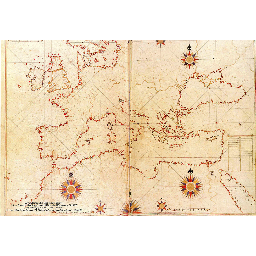
Piri Reis is the author of the Kitāb-ı Baḥrīye, or "Book of the Sea", one of the most famous cartographical works of the period. The book gives seafarers information on the Mediterranean coast, islands, crossings, straits, and gulfs; where to take refuge in the event of a storm, how to approach the ports, and precise routes to the ports.
The work was first published in 1521, and it was revised in 1524-1525 with additional information and better-crafted charts in order to be presented as a gift to Sultan Suleiman I. The revised edition had a total of 434 pages containing 290 maps.
.
The Piri Reis map is a world map compiled in 1513 by the Ottoman admiral and cartographer Piri Reis. Approximately one third of the map survives; it shows the western coasts of Europe and North Africa and the coast of Brazil with reasonable accuracy. Various Atlantic islands, including the Azores and Canary Islands, are depicted, as is the mythical island of Antillia and possibly Japan.
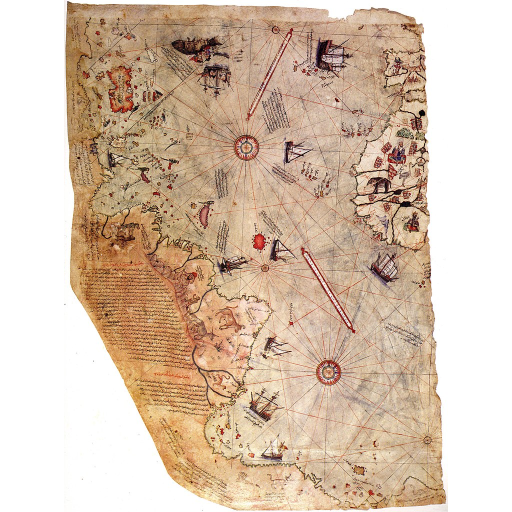
The Piri Reis map is in the Library of the Topkapı Palace in Istanbul, Turkey, but is not usually on display to the public.
Prepared by Batuhan
Esra Yeniceli
Hasanoğlan Secondary School, ANKARA
PROF. DR. GAZİ YAŞARGİL
b.1925, Mardin -
Mehmet Hürdoğan KOÇ
Prepared by Efekan
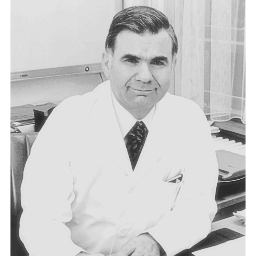
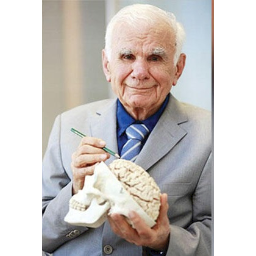
Yaşargil, who became an assistant professor in 1965, carried out studies in the field of microvascular surgery with Professor Peardon Donaghy at the Department of Neurosurgery at the University of Vermont in Burlington, USA, between 1965 and 1967.
Yaşargil, who became an assistant professor in 1965, carried out studies in the field of microvascular surgery with Professor Peardon Donaghy at the Department of Neurosurgery at the University of Vermont in Burlington, USA, between 1965 and 1967.
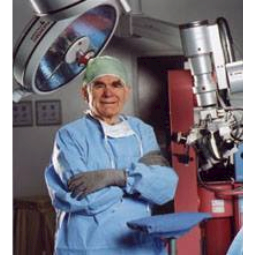
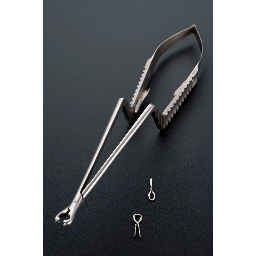
He became a professor in 1973
and was appointed head of the
Department of Neurosurgery at
the University of Zurich.
He was named
"Man of the Century"
by the American
Neurosurgeon
Association.
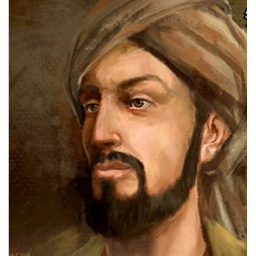
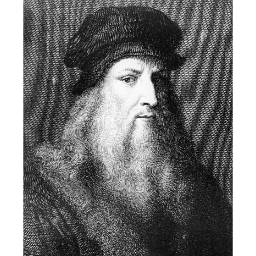
EL CEZERİ
b.1136, Cizre - d. 1206, Cizre
Mehmet Hürdoğan KOÇ
Prepared by Aişe Berra
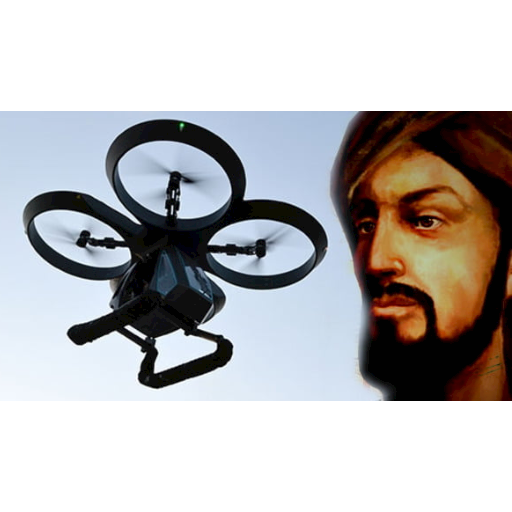
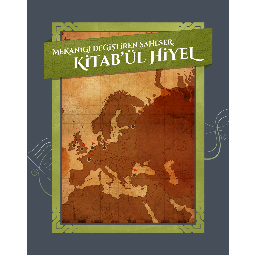
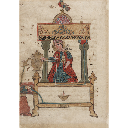
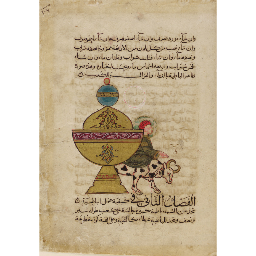
* Peacock Pitcher
* Candle Clocks
* Fountains
* Vending Machines for Ablution
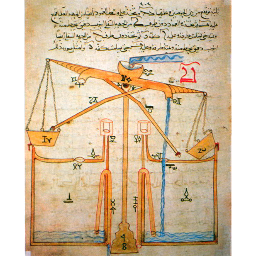
* Water Raising Vehicles
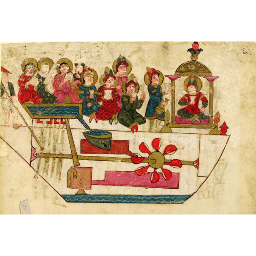
* Robots Playing Saz
* Table Device
Candle Clocks Fountains
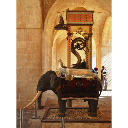
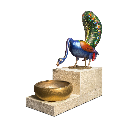
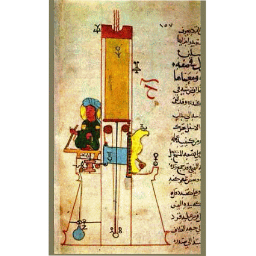
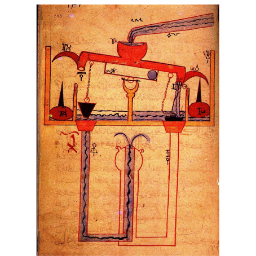
Water Raising Vehicles Robots Playing Saz
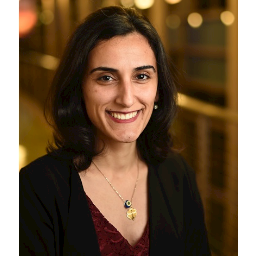
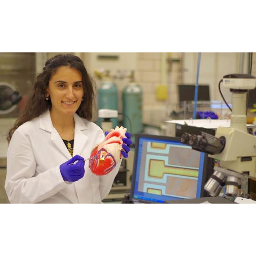
CANAN DAĞDEVİREN
Birth: 4 May 1985
Nationality: Turkish
Citizenship: Republic of Turkey
Education: Hacettepe University
Sabancı University
UIUC
Department: Physics

Scan the QR code to watch the video.
(Videoyu izlemek için QR kodunu tarayın.)
Prepared By Elif
Korgeneral Enver Akoğlu Secondary School
Seçil GÜRBIYIK
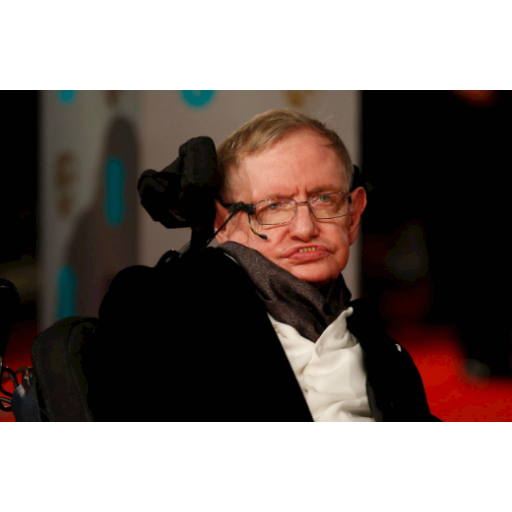
Stephen Hawking

Prepared by: Safina
Subject: Stephen Hawking's life
Gizem Dila Akçaöz
Şehit Hakan İncekar Secondary School
Menderes / İzmir
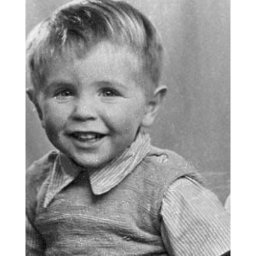
Hawking came to life on January 8, 1942, when he was 8 years old, he went to St Albans, 20 miles from London. At the age of 11, he enrolled in St Albans school.
Gizem Dila Akçaöz
Şehit Hakan İncekar Secondary School
Menderes / İzmir
After graduating from Hawking St Albans School, he attended Oxford University college, his father's old school. His father wanted him to study medicine, but he loved mathematics. However, since the school did not have a mathematics department, he started to study physics instead. Three years later he was awarded the first-class medal of honor in natural sciences.

- Full access to our public library
- Save favorite books
- Interact with authors
- < BEGINNING
- END >
-
DOWNLOAD
-
LIKE(1)
-
COMMENT()
-
SHARE
-
SAVE
-
BUY THIS BOOK
(from $53.19+) -
BUY THIS BOOK
(from $53.19+) - DOWNLOAD
- LIKE (1)
- COMMENT ()
- SHARE
- SAVE
- REMIX
- Report
-
BUY
-
LIKE(1)
-
COMMENT()
-
SHARE
- Excessive Violence
- Harassment
- Offensive Pictures
- Spelling & Grammar Errors
- Unfinished
- Other Problem






COMMENTS
Click 'X' to report any negative comments. Thanks!