THE SCIENCE EXPERIMENTS IN THIS BOOK WERE TRIED BY OUR STUDENTS IN OUR PROJECT AND THEIR VIDEOS WERE ADDED TO THE PAGES.

Cafer Yağız Şehit Ahmet Uzun Secondary School YALOVA
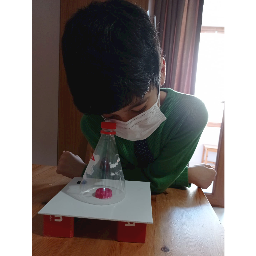
THE NAME OF THE EXPERIMENT: I'm making a simple microscope at home
Age Group: 10-13
Difficulty Level: Medium
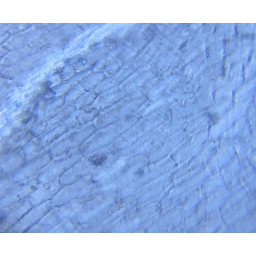
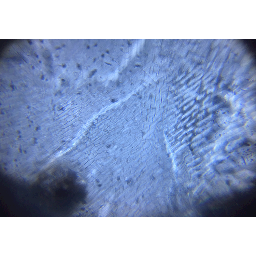
EXPERIMENT OBJECTIVE:In this activity, we will design a light microscope setup where we can observe plant cells using cost-effective waste materials.
Warning:
Cutting and piercing tools should be used carefully.
Care should be taken when using the silicone gun.
WHAT DO WE NEED?
WHAT- HOW DO WE DO?
1. Let's stick eight of the PET bottle caps to each other with silicone from their outer surfaces in four pairs as shown in the picture.
2. Let's fix the PET bottle caps to the corners of the dummy cardboard with silicone.
3. Let's cut a 1 liter PET bottle with scissors so that a funnel is formed at the mouth.
4. Let's draw a circle with a pencil on the top of the dummy cardboard, using the piece we cut in the shape of a funnel.
5. This time, let's draw a second circle with a pen in the center of the circle using the PET bottle cap.
6. Using scissors, let's drill holes in the center of the second circle we drew on the PET bottle caps and the dummy cardboard through which the legs of the LED bulb can pass.
7. Let's fix the LED bulb and PET bottle cap with silicone as in the picture.
8. Using scissors, a utility knife and a pen, let's determine where we will place the mini key on the model cardboard, then fix the key to the cardboard with silicone.
9. Let's fix the double battery bed to the bottom of the model cardboard with silicone. Let's make the connections between the mini switch, LED bulb and battery bed with the conductive wires.
LED ampulü bağlarken, pilin negatif (-) ucunu gösteren siyah iletken teli LED ampulün kısa ayağına ve pilin artı (+) ucunu gösteren kırmızı iletken teli uzun bacağına bağlayalım. LED ampulün.
10. Huni şeklinde kestiğimiz pet şişenin kapağına makas yardımı ile cam bilyenin yerleştirilebileceği bir delik açalım ve cam boncuğu deliğe yerleştirelim.
11. 1.5 V kalem pilleri pil yatağına yerleştirelim ve çerçeve etiketlerini resimde gösterildiği gibi model kartonun üst kısmına yapıştıralım.
12. Let's prepare our preparation first in order to observe the plant cells on the frame. Let's cut a piece of dice from the onion with the help of a utility knife and tweezers as in the image. Let's lay the membrane on the transparency we will use as a slide. Let's cover the upper part of the acetate with a transparent tape that acts as a lamella.
13. Stick the preparation we have prepared to the mouth of the PET bottle with tape as shown in the image.
14. Put the cap with the glass bead on the mouth of the PET bottle.
WHAT HAPPENED?
When we turn on our LED bulb by turning the mini switch on, we can observe the cells in the onion membrane. As in the picture, we can get a clear image by turning the PET bottle cap right and left.
HOW DO I WATCH?
Scan the QR code to watch the video.

THE NAME OF THE
EXPERIMENT: Color mix
Age Group: 10-13
Difficulty Level: Medium
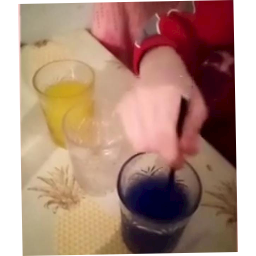
EXPERIMENT OBJECTIVE:In this activity, we will get the color green using blue and yellow, the main colors.
WHAT DO WE NEED?
For this we need 3 glasses, colors, paper towels and water.
WHAT- HOW DO WE DO?
We take 3 cups. We sort one to be full and one to be empty. We add blue to one of the glasses of water and yellow to the other. Using a paper towel, combine the colored cups with the empty cups and wait for 2 hours.
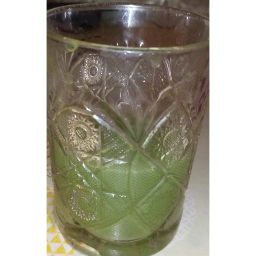
In this case, the liquid from each of the 2 cups will be collected in an empty glass with a paper towel, and the collection will be green. This proves that green is a mixture of yellow and blue.
HOW DO I WATCH?
Scan the QR code to watch the video

Asmar.A
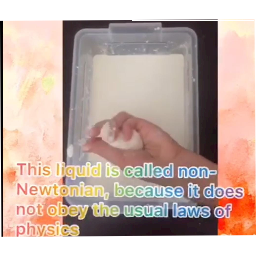
THE NAME OF THE
EXPERIMENT:Non-Newtonian fluid
Age Group: 10-13
Difficulty Level: Medium
EXPERIMENT OBJECTIVE:
What do we need for this?
Corn starch, water
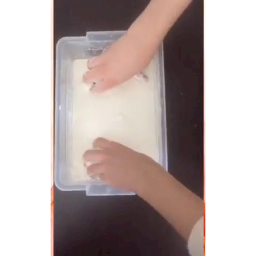
At a low shear rate, the molecules spread and open, and the mixture behaves like a liquid. Fluids are called non-Newtonian because they do not obey ordinary laws of physics.
HOW DO I WATCH?
Scan the QR code to watch the video
Shusha city secondary school No. 3 Zamina. S
THE NAME OF THE
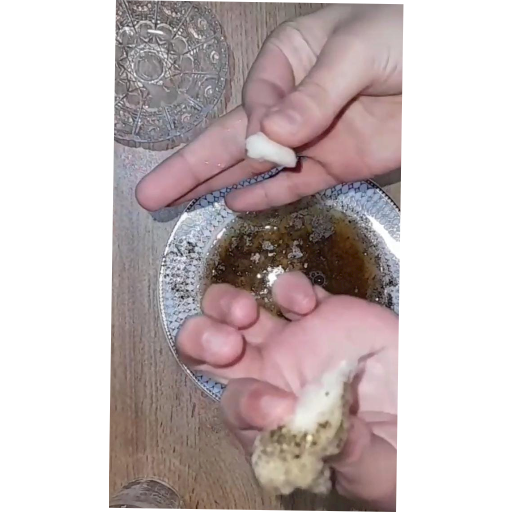
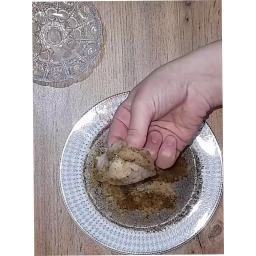
EXPERIMENT:Escaping black pepper
Age Group: 10-13
Difficulty Level: Medium
EXPERIMENT OBJECTIVE:
What do we need for this?
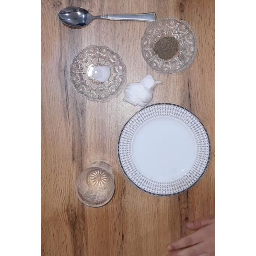
For this we need water, a small plate, black pepper, a very small amount of soap, cotton.
When cotton is soaked in black pepper without dipping it in anything, the black pepper does not stick to the cotton, and the size of the cotton is reduced. However, when cotton is soaked in soap and soaked in black pepper, the black pepper sticks to the cotton.
In other words, this shows that soap removes and absorbs viruses and germs from our hands and body surface.
HOW DO I WATCH?
Scan the QR code to watch the video

Valide.B
THE NAME OF THE
EXPERIMENT:PH assignment
Age Group: 10-13
Difficulty Level: Medium
EXPERIMENT OBJECTIVE:Assignment at home
What do we need for this?
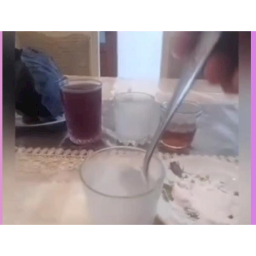
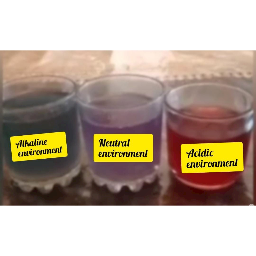
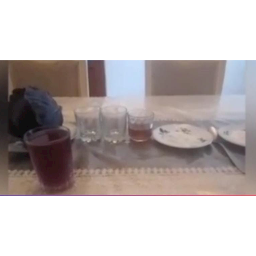
First, chop the red cabbage and add hot water, then use the filtered solution as an indicator.
We determine the alkaline, acidic and neutral environment at home with cabbage juice.
For this we prepare a solution of salt, baking soda and grape vinegar.
HOW DO I WATCH?
Scan the QR code to watch the video

Hasanoğlan Ortaokulu Project Team
THIS EXPERIMENT WAS PRESENTED BY Batuhan, Büşra, Emirhan, Eylül, Hamza, Mert, Sudenaz, Şevval, Yaren, Yusuf Arda.
Esra Yeniceli
Hasanoğlan Secondary School
Elmadağ/ANKARA
THE NAME OF THE
EXPERIMENT: Non-Popping Balloon
Age Group: 10-13
Difficulty Level: Medium
EXPERIMENT OBJECTIVE: With this experiment, we will see how we can bounce our bubbles, consisting of “air trapped in a thin surface of soap,” without exploding.
WHAT DO WE NEED?
-Water
-Dish detergent
-Glycerin
-Cotton gloves
-Pastor pipette and scissors (optional)
WHAT- HOW DO WE DO?
1. First, we need to prepare our bubble solution. For this, gently mix 1/2 cup (500ml) of dish detarjan, 4-1/2 cups (4.5 L) of water and 4 tablespoons of glycerin (60ml) in a bowl.
2. The prepared mixture is kept in a closed container for 24 hours.
3. We gently cut the round side of the pastor straw from the end with scissors. This will be very good, as we will make one bubble. (But not necessarily, of course. You can also produce a bubble with any method you want.)
WHAT- HOW DO WE DO?
4. Create a beautiful bubble in the palm of your hand by dipping the cut part of the pastor straw into your bubble solution and blowing it gently on the hand you are wearing gloves.
5. You can jump the bubble with your gloved hand, or even make it a light square with a little pressure if you want. (If you apply too much pressure, it explodes.) The bubble will not explode as long as you play with your gloved hand. But it explodes when it touches your hand or any floor without gloves!
WHAT HAPPENED?
The worst friend of a bubble is oil, dirt, evaporation and gravity. Oil or dirt particles cause a gap in the thin surface of the bubble, which explodes the bubble. On a surface where there are no oil and dirt particles, the bubble can stop exploding.
HOW DO I WATCH?
Scan the QR code to watch the video.
TUĞBA AK
ÜNYE İMAM-HATİP SECONDARY SCHOOL
ECRAN/ÜNYEİHO
THIS EXPERIMENT WAS PRESENTED BY ECRAN
THE NAME OF THE EXPERIMENT: Let's Make Eco-Friendly Bioplastics
Age Group: 10-13
Difficulty Level: Medium
EXPERIMENT OBJECTIVE: Plastics are part of our daily lives. They are widely used because of their features such as easy to shape, low cost, providing thermal and electrical insulation. So, is a plastic-free world possible? Can bioplastics be the solution to the problems caused by plastics?
Before starting the event, wear protective glasses and gloves, and wear a lab coat.
Caution should be exercised when using chemicals, these substances should not be inhaled or swallowed.
What You Need?
Cornstarch
Pure water
Glycerin
Vinegar
Food coloring
Graduated cylinder or measuring cup
Beaker or heat-resistant container (pan, etc.)
Teaspoon
A4 size aluminum foil China manufacturer
Heating
What Are We Doing?
1-Fill 60 milliliters of pure water into a heat-resistant container with the help of a measuring cup with ratings for volume measurement. Add about 5 teaspoons (10 g) of cornstarch and mix.
2-Add about a teaspoon (5 milliliters) of vinegar and a teaspoon (5 milliliters) of glycerin to the starch-water mixture and stir.
3-Let's drop a drop of food dye into the mixture we have prepared.
4-Let's mix until the color is evenly distributed throughout the mixture.
5-Let's heat the mixture by mixing it on a heater.
6-When the bubbles start to come out of the mixture, let's mix it for a while and take it over the stove when it becomes semi-transparent gel.
7-Spoon over the aluminum foil before the mixture cools. Let's wait a few days for it to dry out.
8-Our bioplastics are ready.
If you want, you can test how robust your own bioplastics are.
When making bioplastics, you can use different color food dyes and molds and give different shapes to your bioplastics, such as cups
WATCH HOW I?
https://youtu.be/IZgeddUa0xY
Scan the QR code to watch the video
TUĞBA AK
ÜNYE İMAM-HATİP SECONDARY SCHOOL
Rama Ünyeİho
THIS EXPERIMENT WAS PRESENTED BY Rama
Oobleck: Solid or Liquid?
THE NAME OF THE EXPERIMENT:
Oobleck: Solid or Liquid?
Age Group: 10-13
Difficulty Level: Medium
EXPERIMENT OBJECTIVE:When a force is applied to some of the non-Newtonian fluids, for example, when they are shaken, their viscosity decreases, that is, their fluidity increases. It is this condition that makes ketchup difficult. The viscosity of some non-Newtonian fluids increases when force is applied to them. Oobleck is this kind of fluid.
What You Need?
200 grams cornstarch
Food coloring
Plastic or glass container
1 cup water
What Are We Doing?
Let's put cornstarch in a bowl and stir, adding water little by little, until the dough has a consistency.
Let's drop a few drops of food dye into the mixture.
Let's mix the mixture until it has a soft consistency.
Our oobleck mix is ready.
Let's get some of the mixture in the palm of our hand and squeeze it. What happened when we released our palm?
Let's hit the mix quickly with our fist? How did we feel?
What Happened?
When we take some of the oobleck mixture and squeeze it in our palm, we initially feel that it is like a solid ball. And when we stop squeezing, the ball flows through our fingers as if it were melting. And when we hit the mixture with our fist, we feel as if we have hit a solid surface.
Starch in the oobleck mixture is large, long-chain molecules relative to water molecules. For this reason, water molecules can move through the starch molecules. This is the reason why the oobleck mixture is normally fluid. When a force is applied to the mixture, the water molecules come out of the starch particles and the starch molecules cluster together. This causes the oobleck to behave like a solid when force is applied to the mixture. Therefore, the viscosity of oobleck changes when force is applied to it.
WATCH HOW I?
https://youtu.be/O7yh4k75RN0
https://www.youtube.com/watch?v=O7yh4k75RN0
Scan the QR code to watch the video
TUĞBA AK
ÜNYE İMAM-HATİP SECONDARY SCHOOL
Ömer Faruk Ünyeİho
THIS EXPERIMENT WAS PRESENTED BY Ömer Faruk
Let's Do Hand Sanitizer
THE NAME OF THE EXPERIMENT:
Let's Do Hand Sanitizer
Age Group: 10-13
Difficulty Level: Medium
EXPERIMENT OBJECTIVE: Washing our hands regularly with soap is one of the most effective methods we can take to protect against the harmful effects of pathogenic microorganisms and viruses. But what can we do when we don't have access to water and soap? At this event of the experiments corner, we make hand sanitizer with materials that we can easily provide.
Disinfectants neutralize microorganisms and viruses in different ways. Alcohol-based disinfectants disrupt the structure of the cell membrane and lead to the loss of function of proteins inside the cell. Chlorine-based disinfectants, such as bleach, cause protein, fat, or carbohydrate molecules in the structure of microorganisms and viruses to oxidize and change chemically.
What You Need?
99% isopropyl alcohol or 96% ethyl alcohol
3% hydrogen peroxide (also known as oxygenated water)
Glycerin
Pure water
Lavender oil
500ml PET bottle
Bottle with spray or pump head
Tea cup
Tablespoon
Teaspoon
Funnel
Warning!
Isopropyl alcohol or ethyl alcohol are easily flammable substances. So we have to be careful when using it.
How Are We Doing?
Let's empty 200 milliliters (about two cups of tea) of isopropyl alcohol into the PET bottle using a funnel. Add about 1 tablespoon of hydrogen peroxide, 1.5 teaspoons of glycerin, half a cup of pure water and a few drops of lavender oil into the bottle.
Let's close the bottle lid. Let's shake the bottle slowly and make sure that the substances we add mix exactly with each other.
Let's transfer some of the mixture to a bottle with a spray or pump head.
. Let's keep the bottle in a cool place for 72 hours. That way, we'll disinfect the inside of the bottle. After 72 hours, our hand sanitizer is ready for use. Let's put the disinfectant on our hands and wait for it to dry.
What happend?
Alcohol molecules have parts that can interact with both water and oil molecules. Fat molecules are found in the structure of the sheaths that protect the cell membranes of disease-causing microorganisms and the genetic materials of viruses. When alcohol interacts with fat molecules in the structure of cell membranes and sheaths that protect genetic material, it binds to these molecules, causing them to break down. Therefore, alcohol causes microorganisms and viruses to lose their effectiveness.
Alcohol does not have a permanent effect on bacterial spores (structures formed by bacteria for protection against external factors or reproduction). Hydrogen peroxide in the solution we prepared neutralizes bacterial spores. In addition, research shows that 0.5% hydrogen peroxide reduces the effect of coronavirus species within a minute.
WATCH HOW I?
https://youtu.be/GyODSiJSgnE
https://www.youtube.com/watch?v=GyODSiJSgnE
Scan the QR code to watch the video
TUĞBA AK
ÜNYE İMAM-HATİP SECONDARY SCHOOL
Ömer Ünyeİho
THIS EXPERIMENT WAS PRESENTED BY Ömer
Making simple fire extinguisher at home
THE NAME OF THE EXPERIMENT:
Making simple fire extinguisher at home
Age Group: 10-13
Difficulty Level: Medium
EXPERIMENT OBJECTIVE:
If we spray a mixture of vinegar carbonate on the fire for small-scale fires that may occur, the fire will go out.
Ingredients: Vinegar, carbonate,empty jar with mouth lid, lighter
How did we make experiment? Fill a ½ - liter pet bottle with 400 ml of vinegar, throw 5 teaspoons of carbonate into it and close the mouth. It is kept on fire by being slightly coaxed, pierced with a fastener from the back. The fire is seen to be extinguished.
Try Result: 1. Carbon dioxide (co2 ) gas was formed in the vinegar carbonate mixture..
2. When the resulting carbon dioxide (co2 ) gas was sprayed on the fire, the flame was extinguished.
Warning!
We have to be careful when we light a lighter and a candle. Also, we should not inhale the carbonate vinegar mixture closely when we open the lid of the jar.
WATCH HOW I?
https://youtu.be/rUXznYl2Q2Q
https://www.youtube.com/watch?v=rUXznYl2Q2Q
Scan the QR code to watch the video
THIS EXPERIMENT WAS PRESENTED BY Firuza.A
Shusha city secondary school number 3 / Gunay Rustamova
THE NAME OF THE EXPERIMENT:
Age Group: 10-13
Difficulty Level: Medium
EXPERIMENT OBJECTIVE:
With this experiment, we will make glue at home without using chemicals.
Warning:
Before starting the event, wear protective glasses and gloves, and wear a lab coat.
Caution should be exercised when using chemicals, these substances should not be inhaled or swallowed.
WHAT DO WE NEED?
Water
WHAT- HOW DO WE DO?
• Our adhesive is ready. We can use our casein glue to stick paper or wooden items.
What happened?
Casein protein is found in the structure of milk. We heated the milk and added an acid such as vinegar to separate the casein molecules from the rest of the milk. In this case, the casein pellets in the milk coalesced and grew. Since we add vinegar, an acid, in order to cut the milk, the formed casein lumps are acidic. We have neutralized the mixture by adding a basic substance such as carbonate on the lumps we filtered.
.
Casein pellets (micelles) suspended in milk, formed by the combination of casein proteins,
Casein molecules can come together to form polymer molecules in the form of long chains. Thanks to these properties, they show water-resistant and very strong natural adhesive properties. So they can be used to join wood and paper materials.
HOW DO I WATCH?
https://youtu.be/TIouD0ADzNE
Scan the QR code to watch the video

Bandırma - BALIKESİR
Made by Elif
THE NAME OF THE
EXPERIMENT:
Age Group: 10-13
Difficulty Level: Medium
EXPERIMENT OBJECTIVE:
What Do we Need?
How do we do?
What Happened?
How do I watch?
https://www.youtube.com/watch?v=_bzJE1p_p1s&t=2s
Scan the QR code to watch the video

Bandırma - BALIKESİR
Made by Yağmur
THE NAME OF THE
EXPERIMENT:
Age Group: 10-13
Difficulty Level: Medium
EXPERIMENT OBJECTIVE:
What Do we Need?
How do we do?
What Happened?
How do I watch?
https://www.youtube.com/watch?v=JGcV93WbPGs
Scan the QR code to watch the video

I'M MAKİNG A CONDUCTIVE BUS
CONSTRUCTION EVENT AT HOME.
Age Group: 10-13
Difficulty Level: Medium
EXPERIMENT OBJECTIVE:
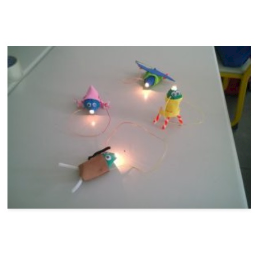
In this event, we will design a conductive beetle assembly in which we will test the conductivity of substances using cost-effective waste materials.).
Warning:
Cutting and piercing tools should be used carefully.
Care should be taken when using the silicone gun.
Gizem Dila Akcaöz
Şehit Hakan İncekar Secondary School
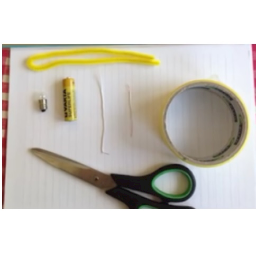
WHAT DO WE NEED?
Ingredients:


Gizem Dila Akcaöz
Şehit Hakan İncekar Secondary School
WHAT- HOW DO WE DO?
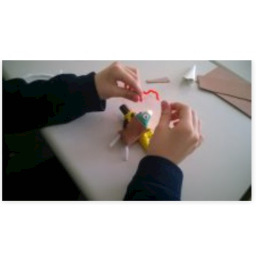
1. The end of one of the bulb wires is wrapped. The end of the other wire is glued to the battery with tape.
3.The lower part of the bulb is fixed with the shape play dough that will touch the idle end of the battery.
4. Cardboard and the assembly are surrounded. This ensures that the mechanism is not visible.
5. The blades cut from the cardboard are glued to the top of the battery to cover.
6. Then the assembly is decorated with the materials in hand.
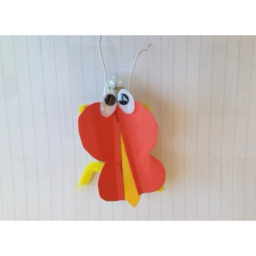
7. Two exposed cable ends, one connected to the battery and the other connected to the bulb , become the antennae of the insect.
8. When we place a conductive substance between theese two antennae, the bulb on the insect's nose lights up. When an insulating substance is used the bulb does not give light.
WHAT HAPPENED?
1.By installing an electrical circuit from our insect,we will measure which substances light bulbs and which substances do not.
2. We will see the results by touching metal and non-metal substances into the antennae of our insect.
3. To get accurate results, we will touch two metals, two non-metal substances into the antennae of our insect.
We want to see what substances transmit the electricity. In this, let's make a small firefly with light on its nose and find out which substances are conductive and which substances are insulating.
Gizem Dila Akcaöz/ Şehit Hakan İncekar Secondary School


LET'S MAKE A LUNG MODEL
RESPONSIBLE TEACHER: GİZEM DİLA AKCAÖZ / ŞEHİT HAKAN İNCEKAR ECONDARY SCHOOL
Age Group: 10-13
Difficulty Level: Medium
EXPERIMENT OBJECTIVE:
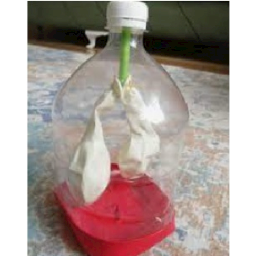
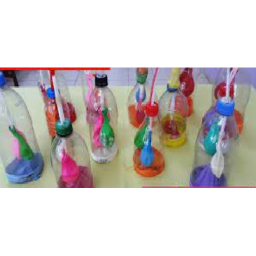
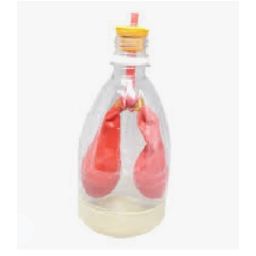
In This Event, We Will Design A Lung And Diaphragm Model And A Breathing Pattern.
Warning:
Cutting and piercing tools should be used carefully.
Care should be taken when using the silicone gun.
Sealant
Gizem Dila Akcaöz/ Şehit Hakan Secondary School

WHAT- HOW DO WE DO?
WHAT HAPPENED?
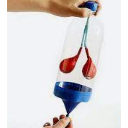
In this mechanism, we see concretely how the diaphragm and lungs behave during breathing. When we breathe, our lungs are filled with air and swollen, while the diaphragm contractes and flattens. The volume of the lungs is increasing. When we exhale, the diaphragm relaxes and domes and the volume of the lungs shrinks.
Gizem Dila Akcaöz/ Şehit Hakan Secondary School
HOW DO I WATCH?

WHAT SUBSTANCES GET TIGHT
RESPONSIBLE TEACHER:
GİZEM DİLA AKCAÖZ / ŞEHİT HAKAN İNCEKAR SECONDARY SCHOOL


Age Group: 10-13
Difficulty Level: Medium
EXPERIMENT OBJECTIVE:
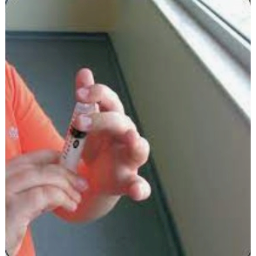
In this event, we will design a mechanism in which we will examine the compression properties of solid, liquid and gaseous substances. We're going to examine what kind of substances are stuck.
BENEFITS TO KNOW:
Warning:
Cutting and piercing tools should be used carefully.
Care should be taken when using the silicone gun.
WHAT DO WE NEED?
Water
WHAT- HOW DO WE DO?
WHAT HAPPENED?
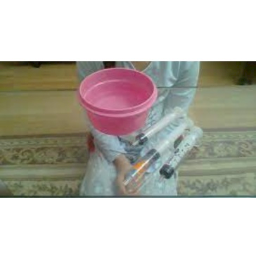
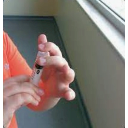
IN THIS MECHANISM, STUDENTS TEST WHETHER SOLID, LIQUID AND GAS SUBSTANCES ARE. AS A RESULT OF THE TRIALS, STUDENTS FIND THAT THE SOLID AND CIVILIANS DO NOT BECAUSE THEY ARE GAP-FREE. ON THE OTHER HAND, STUDENTS OBSERVE THAT GASES CAN BE BECAUSE THEIR GRAINS ARE EMPTY
HOW DO I WATCH?
FACTORS AFFECTING POTENTIAL ENERGY
RESPONSIBLE TEACHER:
Gizem Dila Akcaöz /Şehit Hakan İncekar Secondary School
Gizem Dila Akcaöz /Şehit Hakan
İncekar Secondary School

Age Group: 10-13
Difficulty Level: Medium
EXPERIMENT OBJECTIVE:
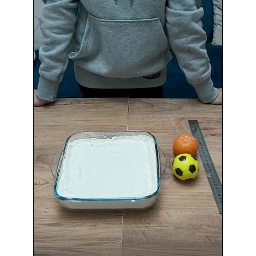
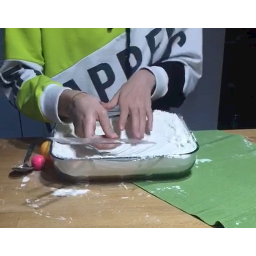
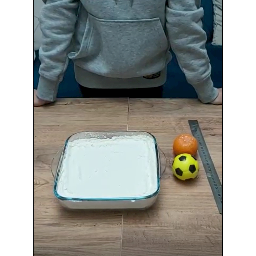
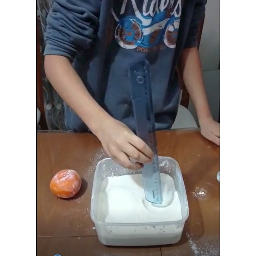
In this activity, we examined the factors to which the potential energy of the substances depends. In the experiment, we tried to observe that potential energy depends on height and mass.
BENEFITS TO KNOW:
Warning:
Cutting and piercing tools should be used carefully.
Care should be taken when using the silicone gun.
WHAT DO WE NEED?
WHAT- HOW DO WE DO?
. We measure and note the depth of the pit it makes on the surface of flour.

WHAT HAPPENED?
In the mechanism we established, the students observed the effect of height on potential energy as a province. As a result, we found that when the height increased, the depth on the surface of the flour also increased. After all, height is directly proportional to potential energy.
In the second stage, we examined the relationship between potential energy and mass. We observed that the heavy ball has more potential energy.
Gizem Dila Akcaöz /Şehit Hakan İncekar Secondary School
RESPONSIBLE TEACHER:
Mehmet Hürdoğan KOÇ/Namık Kemal Imam Hatip Secondary School
Prepared by Muhammet Akın
Age Group: 10-13
Difficulty Level: Medium
EXPERIMENT OBJECTIVE:
BENEFITS TO KNOW:
Warning: We have to be careful with high sound.
WHAT DO WE NEED?
WHAT- HOW DO WE DO?
• Milk is poured over the flexible body.
• The movements of milk and food sizes are observed on the flexible body.
Mehmet Hürdoğan KOÇ/Namık Kemal Imam Hatip Secondary School
Bandırma - BALIKESİR
Made by Yağmur
THE NAME OF THE
EXPERIMENT:
Age Group: 10-13
Difficulty Level: Medium
EXPERIMENT OBJECTIVE:
Warning:
What Do we Need?
Water
How do we do?
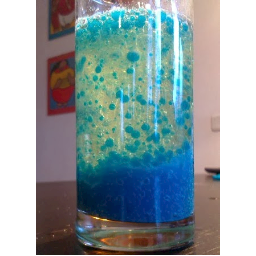
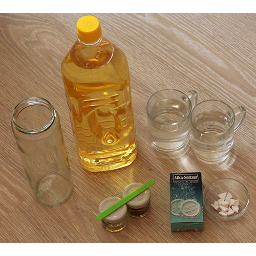
Here, take our magic element Alka seltzer into pieces and throw it into the bottle and watch it foam. reacted with water and the resulting carbon dioxide gas carried water molecules upwards. When the foaming is finished, close the cap of the bottle and shake it and once again witness that the oil and water do not mix in any way.
What Happened?
How do I watch?
Scan the QR code to watch the video

Bandırma - BALIKESİR
Made by Zeynep

THE NAME OF THE
EXPERIMENT:
Age Group: 10-13
Difficulty Level: Medium
EXPERIMENT OBJECTIVE:
Warning:
What Do we Need?
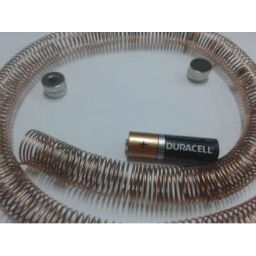
How do we do?
What Happened?
How do I watch?
Scan the QR code to watch the video

Made by Begüm
THE NAME OF THE EXPERIMENT
THE AGE AND DIFFICULTY LEVEL OF THE EXPERIMENT
Age Group: 14-16
Difficulty Level: Easy
EXPERIMENT OBJECTIVE
In this activity, we learn how to use our chemistry and physics knowledge to understand whether an egg is raw or cooked without breaking its shell.
BENEFITS TO KNOW
WHAT DO WE NEED?
WHAT- HOW DO WE DO?
WHAT- HOW DO WE DO?
WHAT HAPPENED?
HOW DO I WATCH?
Scan the QR code to watch the video.
(Videoyu izlemek için QR kodunu tarayın.)
Made by Beren
THE NAME OF THE EXPERIMENT
THE AGE AND DIFFICULTY LEVEL OF THE EXPERIMENT
Age Group: 13-15
Difficulty Level: Easy
EXPERIMENT OBJECTIVE
BENEFITS TO KNOW
Water molecules attract each other weakly due to the interactions between them (this interaction between water molecules is called hydrogen bonding.
WHAT DO WE NEED?
WHAT- HOW DO WE DO?
WHAT HAPPENED?
HOW DO I WATCH?
Scan the QR code to watch the video.
(Videoyu izlemek için QR kodunu tarayın.)
Made by Ebrar
THE NAME OF THE EXPERIMENT
THE AGE AND DIFFICULTY LEVEL OF THE EXPERIMENT
Age Group: 10-13
Difficulty Level: Easy
EXPERIMENT OBJECTIVE
BENEFITS TO KNOW
*A few balloons
*A few skewers of garbage
*Vaseline
WHAT- HOW DO WE DO?
HOW DO I WATCH?
Scan the QR code to watch the video.
(Videoyu izlemek için QR kodunu tarayın.)
Made by Hakan
THE NAME OF THE EXPERIMENT
Justice Cup
THE AGE AND DIFFICULTY LEVEL OF THE EXPERIMENT
Age Group: 10-13
Difficulty Level: Easy
EXPERIMENT OBJECTIVE
BENEFITS TO KNOW
*Plastic cups *Straws Lighter
* Screw * Silicone gun
WHAT- HOW DO WE DO?
HOW DO I WATCH?
Scan the QR code to watch the video.
(Videoyu izlemek için QR kodunu tarayın.)
INVISIBLE INK
This experiment was presented by Ayşe Ebrar
Responsible Teacher Derya Kocakavak
Adalet Secondary School
Merkezefendi/Denizli
Age Group: 9-13 ages
Difficulty Level: Medium
Warning: Get help from parents to be done in part with the fire.
Experiment Objektive:
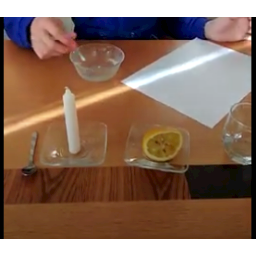
Let's make invisible ink for your secret messages! How can you message your loved ones without others seeing them? There are multiple ways to leave a secret message on a piece of paper. Do you know that you can do this by using lemons? By leaving a secret message, you can make your loved ones read your notes only for them and make it fu
With this experiment, we will be able to observe the effect of heat on the molecular properties of substances and on the chemical properties of substances.
What Do We Need?
Half a lemon
Water
Spoon
Bowl
Cotton swabs
1 sheet white paper
Candle
What-How Do We Do?
1. Add a bit of juice and lemon juice in the bowl.
2. Mix thoroughly with a spoon.
3. Dip cotton swabs into the mixture and then write or draw something on your paper.
4. Allow to dry until completely disappear out of sight.
5. When you want your writing to become visible closer to the flame of a candle.
What Happened?
but if you heat it, it turns brown and can be seen again. Because lemon juice is an organic substance which, when heated to oxidize and turn brown. Orange juice, honey, milk, onion juice and vinegar reacts in the same way.
How Do I Watch?
Scan the QR code to watch the video.

SCREWDRIVER WITH MAGNET
This experiment was presented by Ayşe Ebrar
Responsible Teacher Derya Kocakavak
Adalet Secondary School
Merkezefendi/Denizli
Age Group: 9-13 ages
Difficulty Level: Medium
Experiment Objective
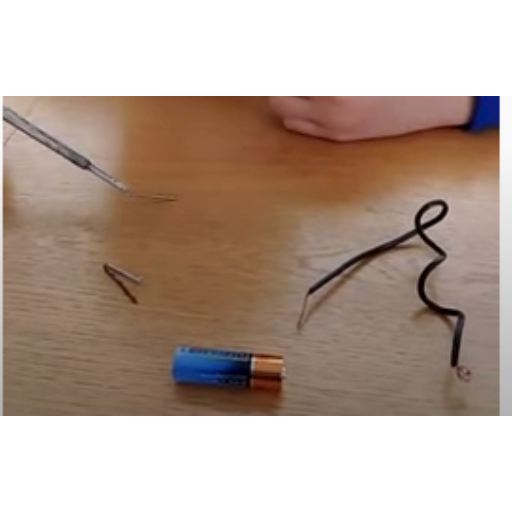
What Do We Need?
Battery
Screwdriver
Band
Cable
Iron nails
What-How Do We Do?
1. Wrap the cable several times around a screwdriver.
2. 2 cm from each end of the cable ends and the battery terminals touch the bare strip a short time.
3. Disconnect the cable from the battery and the magnet closer to check if your screwdriver won the feature nail.
What Happened?
Screws, nails, screwdriver substances such as adheres to. Because it surrounds the cable that electrically from the battery voltage is loaded. In this way, it becomes the property of our magnet the screwdriver.
How Do I Watch?
Scan the QR code to watch the video.
SOUND ABSORPTION
This experiment was presented by Ömer Yağız
Responsible Teacher Derya Kocakavak
Adalet Secondary School
Merkezefendi/Denizli
Age Group: 9-13 ages
Difficulty Level: Medium
Experiment Objective
What Do We Need?
2 plastic cups
Cotton
Adhesive
Whistle or speaker
What-How Do We Do?
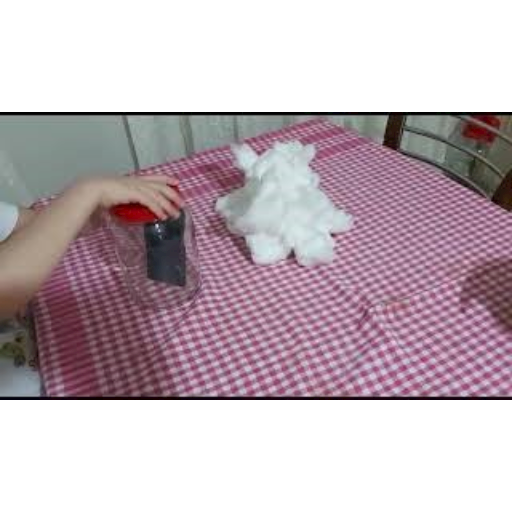
1. The interior floor length of the adhesive with the help of one of the glasses with cotton cover. Make sure there is space.
2. The first whistle blow gently into the empty glass.
3. Then the base of the whistle cotton-covered blow gently into glass.
4. Compare the sound of both cups. The sound was different? How?
What Happened?
Sound waves in different environments takes a different path. For this reason, the sounds of the glasses will be different from each other. The sound waves are reflected back to the floor and crashed into the empty glass. However, sound waves into the soles with cotton lined cups, the inside of the air gets trapped inside a quantity of the cotton pieces. In other words, sound is sogrul. The sound insulation of this kind. Everything that is blocking the flow of sound waves can be used as a tool for isolation. Sound may vary according to the amount of insulation material.
How Do I Watch?
Scan the QR code to watch the video.
- < BEGINNING
- END >
-
DOWNLOAD
-
LIKE
-
COMMENT()
-
SHARE
-
BUY THIS BOOK
(from $38.39+) -
BUY THIS BOOK
(from $38.39+) - DOWNLOAD
- LIKE
- COMMENT ()
- SHARE
- Report
-
BUY
-
LIKE
-
COMMENT()
-
SHARE
- Excessive Violence
- Harassment
- Offensive Pictures
- Spelling & Grammar Errors
- Unfinished
- Other Problem





COMMENTS
Click 'X' to report any negative comments. Thanks!