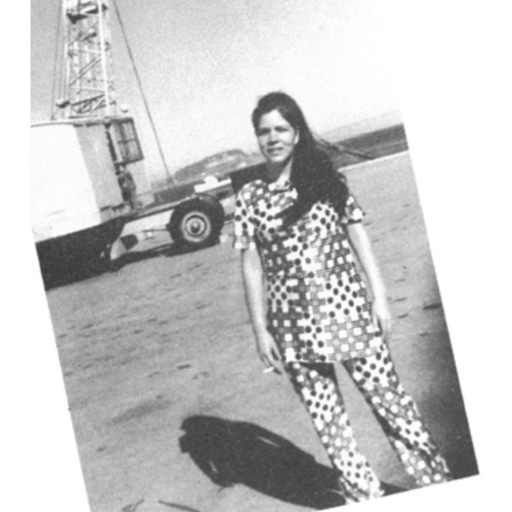
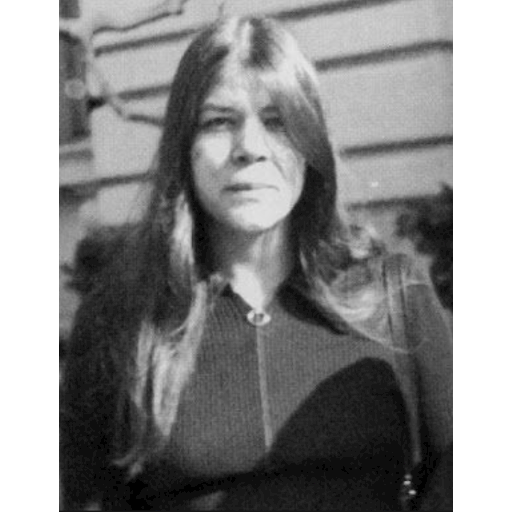
Wilma Pearl Mankiller was an American Cherokee activist, social worker, community developer and the first woman elected to serve as Principal Chief of the Cherokee Nation.
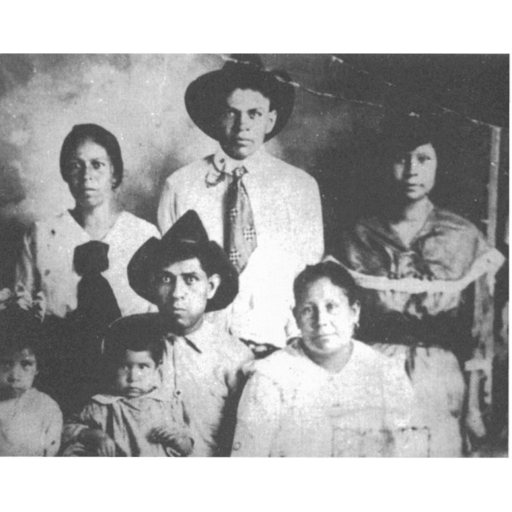
Born in Tahlequah, Oklahoma on November 18, 1945, she lived on her family's allotment in Adair County, Oklahoma. At the age of 11 her family moved to San Francisco, CA as part of a federal government program to urbanize Native Americans.

The Mankiller's were a poor family with 13 mouths to feed, they hoped a new place would offer greater financial opportunities. Wilma did not want to leave Oklahoma, but it was in California that she first developed her social activism.
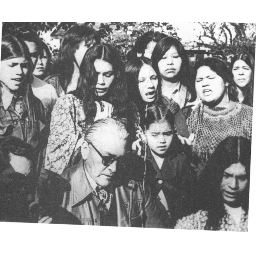
She became involved in San Francisco’s Indian Center and was captivated by Native American efforts to reclaim Alcatraz Island in San Francisco Bay.

She married a wealthy Ecuadorian in 1963 and they had two daughters, but the marriage was difficult. Then, in 1969, a dramatic event changed the course of Wilma’s life.
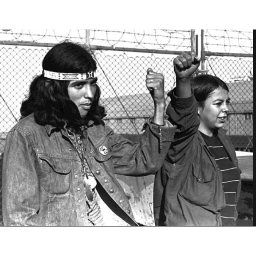
A group of Native American students gained control of the abandoned Alcatraz prison in San Francisco’s harbor. The occupation gained national media attention and awakened the young Cherokee mother to the issues afflicting native people in the United States.


Wilma was determined get involved in the Native community but her husband wanted her to remain a traditional housewife. Mankiller said, “…when Alcatraz occurred, I became aware of what needed to be done to let the rest of the world know that Indians had rights too.”
For 5 years she worked as a Social Worker, mainly focusing on children's issues. Then she divorced in 1977, took her daughters, and moved back to Oklahoma to build a life for herself and her family on the Cherokee reservation.

Before continuing her career as Native American activist, Wilma Mankiller overcame two personal tragedies. In 1979 she was seriously injured in an automobile accident that took the life of her best friend. She spent her time in recovery thinking about her purpose in life. She embraced the Cherokee vision of “being of good mind.”
For her, this meant thinking positively about what happens in your life, taking whatever comes your way, and doing your best to serve others. She was then diagnosed with a chronic neuromuscular disease. The disease made it hard to speak, hold a pencil, and even brush her hair.

Her good mind approach helped her, She thought a lot about what she wanted to do with her life during that time. The reality of how precious life was energized her with a new sense of purpose that lead her to the tiny community of Bell, Oklahoma.
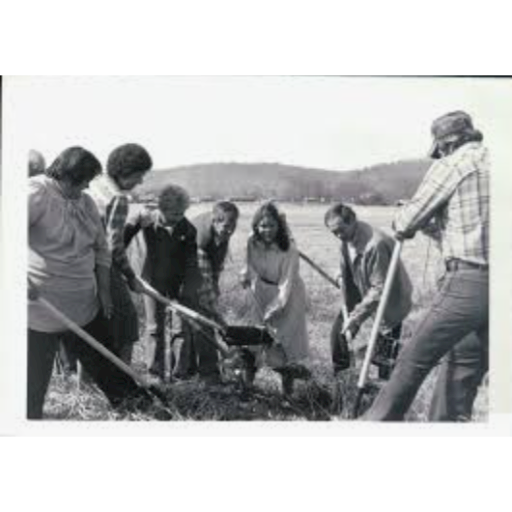
She had been hired by the Cherokee Nation and become a successful grant writer. This experience helped her organize the Bell Water Project.

- Full access to our public library
- Save favorite books
- Interact with authors


- < BEGINNING
- END >
-
DOWNLOAD
-
LIKE(2)
-
COMMENT()
-
SHARE
-
SAVE
-
BUY THIS BOOK
(from $4.19+) -
BUY THIS BOOK
(from $4.19+) - DOWNLOAD
- LIKE (2)
- COMMENT ()
- SHARE
- SAVE
- Report
-
BUY
-
LIKE(2)
-
COMMENT()
-
SHARE
- Excessive Violence
- Harassment
- Offensive Pictures
- Spelling & Grammar Errors
- Unfinished
- Other Problem

COMMENTS
Click 'X' to report any negative comments. Thanks!