



The symbol of the Bosporus is the Judas Trees. It has vibrant colors and their picture is used in advertising of Istanbul.
When I searched on the internet I learned that it is a Mediterranean tree and it loves the climate of Istanbul.
The legend says that Judas hanged himself to this tree after betraying Jesus. Its origin come from the the French: Arbre de Judée, meaning tree of Judea. Judea is a hilly region of France where the tree was most common.
SAKİNE RÜZGAR 's students
THE ALBANIAN LILY

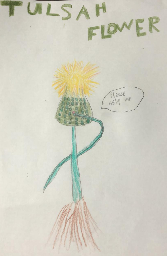
TÜLÜŞAH
Kuşadası has a rich variety of plants. The Dilek Peninsula has 804 kinds of plants. Six pieces of these plants are endemic, which means only grows in that area, for example Campanula.
Tülüşah (Rhaponticoides Mykalea), the most rare flower of Kusadası, is placed in the "Species Protection Plan". It was introduced to the botanic world from Kuşadası and its latin name comes from Mykalea mountains (Samsun).
Özgür KURT 's students
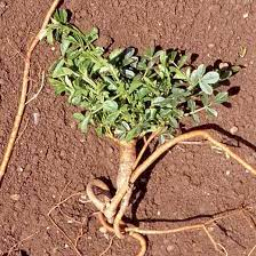
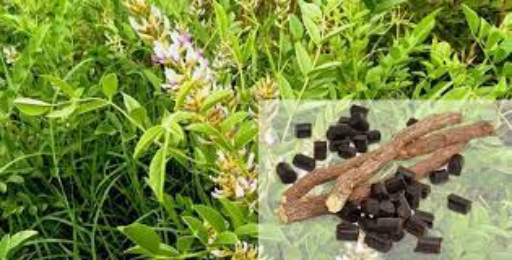
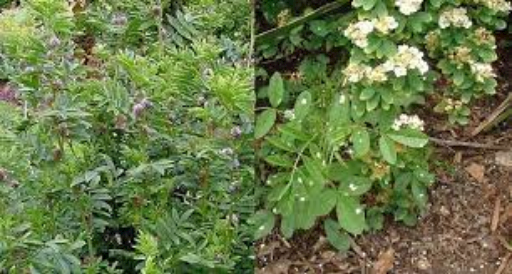
Liquirizia (Glycyrrhiza glabra)
Glycyrrhiza glabra is a perennial herbaceous plant, up to one meter high, and rustic, as it resists frost. It prefers a mild climate and slightly saline soil, and grows spontaneously below 650 meters and along the coasts. It develops underground stems up to two meters long which are collected in three or four year old plants, during the autumn season, and dried. From the stems an extract or powder is obtained which is used to prepare candies, sweets and liqueurs. They can also be used to prepare herbal teas.
Glycyrrhiza glabra is defined as Princess of Calabria because, although it is widespread mainly in southern Europe, it presents its best qualities in this region. It is even kwnown as “Dolce Nera” (Sweet Black) from Rossano, because it is in our city that, since 1715, the Amarelli Factory has been producing liquorice-based products that are appreciated all over the world, such as small black nuggets preserved in small tin cans.
Achiropita Avena's students
SALEBİ MARAS

Salep comes from the Orchidaceae family and is dried wild orchid tubers and .
In winter, Turkish people use it to make a hot traditional drink called Salep. In summer, it is used to make the famous creamy ice cream from the Maras area.
The orchid used in the ice cream comes from the orchid-rich province of Kahramanmaras close to the Taurus Mountains of Turkey.
Yasemin DEMİRKAYNAK students
Barbara Federici's students
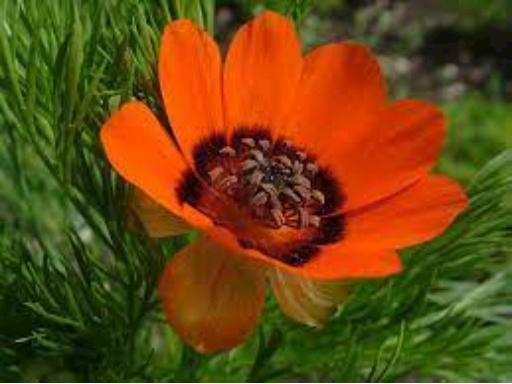
In our town Monterubbiano, which belongs to the province of Fermo , you can find some of the most precious endemic flowers. In general they are hidden in the most difficult places such as the top of the highest mountains.
One of the most astonishing flowers is pictured here and belongs to the species of the Adonis aestivalis . If you come to this area, you may have the chance to observe the wonderful Pheasant's Eye, a species which was considered extinct for a long time and which only forms here : the one and only station in Italy.
SULTAN PELEMERİ / CEPHALARIA TUTALIANA
Cephalaria tutaliana is an endangered; endemic plant species of the province of Istanbul. It was discovered in 2006. This species only grows around Başakşehir – İstanbul area. The blooming time of this specie is from July to September. This rare specie is threatened mainly by humans (etc. road construction, urbanization).

Merve KAYNAK's students
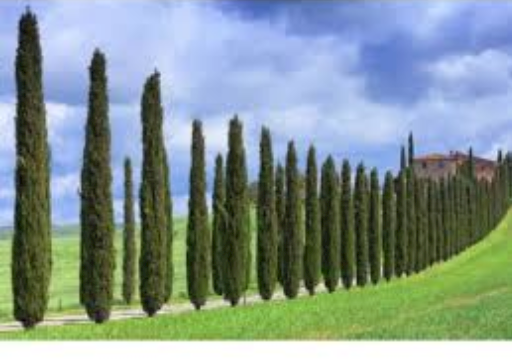
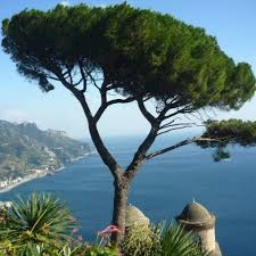
cipressi
pino marittimo
The Cipresso plant is a very famous tree of Tuscany landscape, in the center of Italy. It is especially situated on hilly landscape and its shape is very elegant. You can admire a lot of tree-lined avenues also in postcards and paintings. It is one of the symbols of Tuscany.
The Pino Marittimo (Maritime Pine) can be found on the Tuscany sea coast. It has a big foliage and a high tree trunk.
By Andrea B. (1F)
Francesca Iannucci 's students
Çuha Çiçegi / Primula
Primula is a herbaceous flowering plants in the family Primulaceae. Primula can be found from alpine slopes to meadows. Plants bloom mostly during the spring, with flowers look like umbrellas on stout stems arising from leaves. Their flowers can be purple, yellow, red, pink, blue, or white. Flowering time is between March and June. It is very common in the Belgrade forest in Istanbul and its surroundings.
Demet OZAN's students
Alina Mera 's students
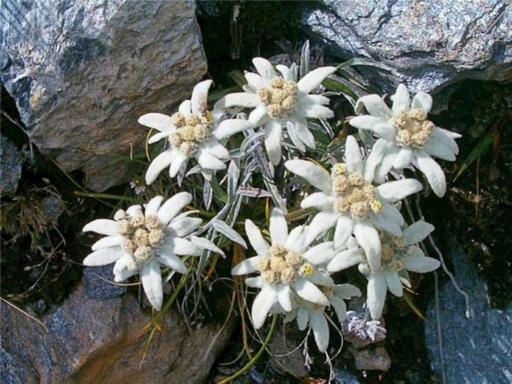
LILY AKKUŞ
Lily "Akkus" the endemic type of lily attracts the attention of many photographers in the Black Sea province of Ordu.
Akkus lily is 1.5 meters long and lives up to only 20 days in the month of June in the Akkus district of Ordu province.
Akkus lily, which is also known as Lilium Akkusianum in Latin, first discovered in 1993 after five years of scientific works in Ordu.
Ordu province has rich flora with more than 700 plant types, including some 130 endemic plants.
DERYA UĞURAL's students
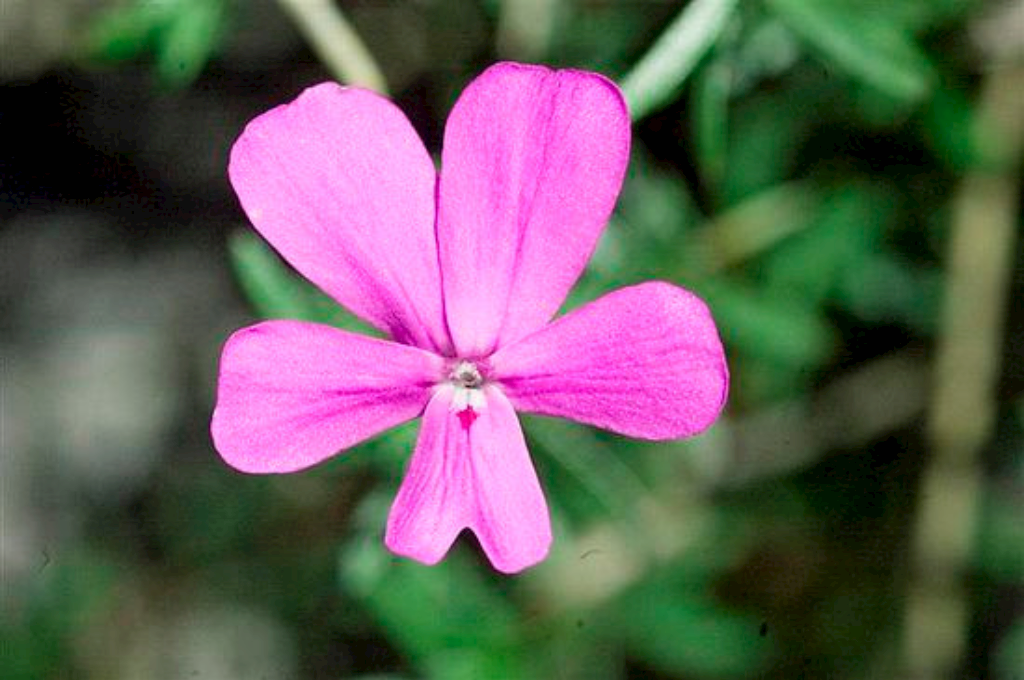
This typical violet comes from Sierra de Carzorla Natural Park in Jaén, which is located in the south-eastern part of Spain (Andalucía).
This flower can be found in other provinces of the area such us Granada, Albacete and Murcia. The technical name of this beautiful flower is Viola Cazorlensis Gand. This endemic flower has a primitive lineage but nowadays it is an endangered species and it is protected at European level. The reason that explains its vulnerability is because the number of flowers of this kind has reduced over the last years due to human activities like Tourism.
This kind of violet occurs in rocky outcrops and cliffs in discrete populations, between 1,100 and 2,100 meters of altitude.
The pinkish-purple flowers vary widely in morphology and it flourish between April and June. These flowers love the sun although you may find them in dark locations. Mª Ángeles Vergara Padilla
VIOLET
This typical violet comes from Sierra de Carzorla Natural Park in Jaén, which is located in the south-eastern part of Spain (Andalucía).
This flower can be found in other provinces of the area such as Granada, Albacete and Murcia. The technical name of this beautiful flower is Viola Cazorlensis Gand. Nowadays, it is an endangered species and it is protected at European level. The reason is due to human activities like Tourism in this area.
This kind of violet occurs in rocky outcrops and cliffs in discrete populations, between 1,100 and 2,100 meters of altitude.
Mª ÁNGELES VERGARA's students
İSTANBUL KARDELENİ / ISTANBUL SNOWDROP (Galanthus plicatus subsp. Bizantin)
Istanbul snowdrop is a rare type of snowdrop native to the northwest of Anatolia. It was first introduced to the world of science with samples collected from Istanbul in 1893.
It is an endemic species. This plant is known as a species that is about to disappear because it lost its natural life. It is seen around fir and beech forests. This beautiful plant blooms between January and April.
Istanbul snowdrop has many properties, some of them: it strengthens the heart vessels. It strengthens the nervous system.
F. NİLÜFER AKSOY KARATAŞ 's students
MARTA FLORES PÉREZ's students
OLIVE TREE typical to Jaen area
The olive tree is a typical tree of Spain, which gives us a very precious treasure in our culture. In Spain, the olive oil is known as "liquid gold". This olive oil is one of the basic foods of our Mediterranean diet. Jaén, with more than seventy million of olive trees, it is a province of the south of Spain and the first world power to produce it.
The olive tree is a thousand-year-old tree of wisdom and peace, it has been adopted by the human race as a source of wealth and food for millennia.
Istanbulensis (Istanbul Çiğdemi), only grows in Istanbul in the world and takes its name from Istanbul… Istanbulensis is among the 18 endemic plant species that only grows in Istanbul. This rare flower, which manifests itself every year with the warming of the weather, is seen between February and April. İstanbulensis can only be seen in the Aydos Forests located within the borders of Sultanbeyli district. The flower that opens its yellow petals with the morning sun closes its leaves as the sun goes down ...
ŞULE İNCEKALAN and students
Orange
The orange, Citrus sinensis, is a fruit tree that belongs to the citrus family and can reach up to 12 meters in height. It is a very important symbol for Calabria, to which it gives color, flavor and perfume. In fact, it grows green in the countryside with its elongated leaves and has the ability to flower and bear fruit at the same time. Its white flower, the orange blossom, perfumes our land at the beginning of the morning and is used for the production of perfumes. The fruit of the tree, oranges, color our plains orange. They are round, have a juicy pulp that is good to enjoy after meals and with which you can prepare juices rich in vitamin C and jams to spread on bread or to fill pies. With the orange peel cut into thin strips, you can prepare the candied orange peel. Oranges are so abundant that the Calabrians gladly give them to their friends and relatives, even sending them to those who live far from home. Rosa Capristo's students
MUSCARY
The number of muscari plant species in Turkey has increased to 45 with the two new ones added to the scientific literature.
Turkey is a very rich country in terms of plant diversity. It is even richer than the Middle Eastern and European countries. This fact also applies to the muscari species.
With the two new species, the number of the muscari species present in Turkey has increased to 45, and 30 of these species are indigenous to Anatolia.
Turkey is home to 10,000 plant species and about one-third of them are endemic plant species. Nearly 10 percent of the indigenous plants are in critical danger of extinction.
NURDAN ÖZKAYA ÇELİK 's students
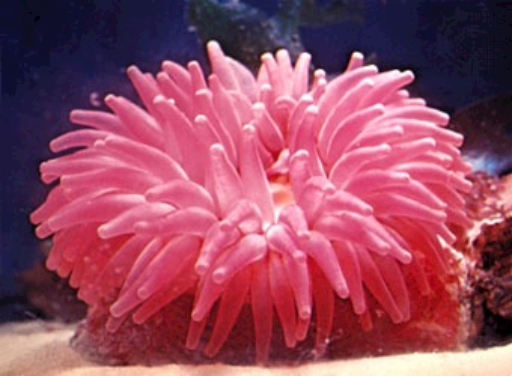
SEA ANEMONES
Sea anemones are the marine, predatory animals of the order Actiniaria. They are named after the anemone, a terrestrial flowering plant, because of the colourful appearance of many. Sea anemones are classified in the phylum Cnidaria, class Anthozoa, subclass Hexacorallia. As cnidarians, sea anemones are related to corals, jellyfish, tube-dwelling anemones, and Hydra. Unlike jellyfish, sea anemones do not have a medusa stage in their life cycle.
A typical sea anemone is a single polyp attached to a hard surface by its base, but some species live in soft sediment and a few float near the surface of the water. The polyp has a columnar trunk topped by an oral disc with a ring of tentacles and a central mouth. The tentacles can be retracted inside the body cavity or expanded to catch passing prey. They are armed with cnidocytes (stinging cells). BELÉN ANKERSMIT's students
İstanbul Nazendesi (Lathyrus undulatus)
Burcu BORA's students
Cochlearia Aragonensis
There are hardly any plants exclusive to Navarra, since only two endemic subspecies are known: the cochlearia aragonensis subspecies navarrana and the Iberis carnosa subspecies nafarroana, both of the cruciferous family.
The cochlearia aragonensis is a creeping plant 5.20 cm tall. It has leaves rounded like a spoon and with a fleshy texture. The flowers are white with four petals and are grouped in racemes.
It was a plant highly regarded by sailors to combat scurvy on their long sea voyages, as it is rich in vitamin C, which cures this deficiency obtained from the lack of consumption of fresh vegetables. The leaves taste like horseradish and watercress. They are also consumed in salads.
Cristina Sandua Escribano
LAVENDER
Lavender is a hardy perennial in the Lamiaciae, or mint family. The herb is a Mediterranean native. There are many species of lavendula which vary somewhat in appearance and aromatic quality commercially valuable in the perfume industry and is a mainstay of English country gardens. French lavender, L.stoechas, is the species most probably used in Roman times as a scenting agent in washing water . The species L. officinalis is the official species used in medicinal preparations, though all lavenders have medicinal properties in varying degrees.
YILDIZ ERDOĞMUŞ's students
- < BEGINNING
- END >
-
DOWNLOAD
-
LIKE(1)
-
COMMENT()
-
SHARE
-
BUY THIS BOOK
(from $8.39+) -
BUY THIS BOOK
(from $8.39+) - DOWNLOAD
- LIKE (1)
- COMMENT ()
- SHARE
- Report
-
BUY
-
LIKE(1)
-
COMMENT()
-
SHARE
- Excessive Violence
- Harassment
- Offensive Pictures
- Spelling & Grammar Errors
- Unfinished
- Other Problem





COMMENTS
Click 'X' to report any negative comments. Thanks!