"Show Me My Country". Students collected information about geography, culture cuisine and architecture of Armenia.

Armenia officially the Republic of Armenia, is a landlocked country located in the Armenian Highlands of Western Asia. It is a part of the Caucasus region; and is bordered by Turkey to the west, Georgia to the north, the Lachin corridor under a Russian peacekeeping force, and Azerbaijan to the east, and Iran and Nakhchivan to the south.
Yerevan is the capital and largest city.

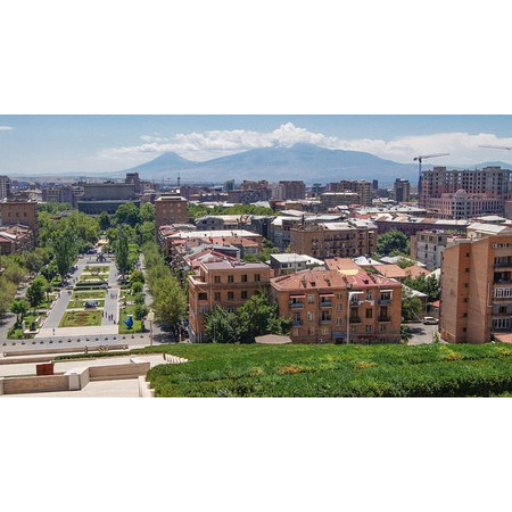
The original native Armenian name for the country was Hayk, however, it is currently rarely used. The contemporary name Հայաստան (Hayastan) became popular in the Middle Ages by addition of the Persian suffix -stan (place)...
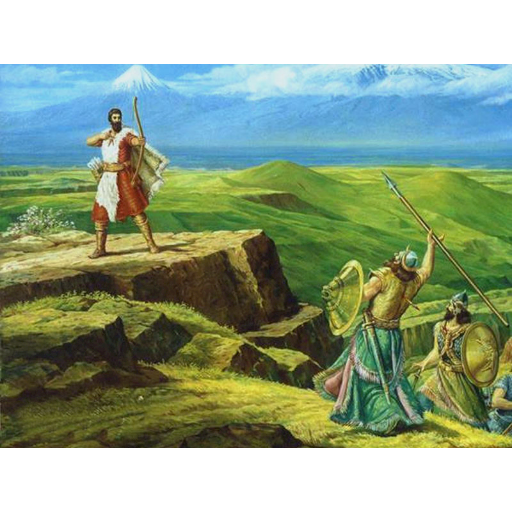
The name has traditionally been derived from Hayk (Հայկ), the legendary patriarch of the Armenians and a great-great-grandson of Noah, who, according to the 5th century AD author Moses of Chorene (Movsis Khorenatsi), defeated the Babylonian king Bel in 2492 BC and established his nation in the Ararat region.
Armenia, a country with a long history is an adventurous land for travelers, and especially for those who love classical culture tourism. Here one can witness almost all tracks of ancient civilizations of the Old World. Millennia passed, kingdoms and empires changed: Urartu Kingdom, Achaemenid Empire, Roman Empire, Sasanian Empire, Arab Caliphate, Byzantine Empire, Ottoman Empire … And each epoch left its track on the land. Armenia can be considered as one of the most interesting places in Europe down to plentiful historical and cultural monuments. Numerous monuments of art and architecture make the country a depository and exposition of masterpieces of the culture of the past.
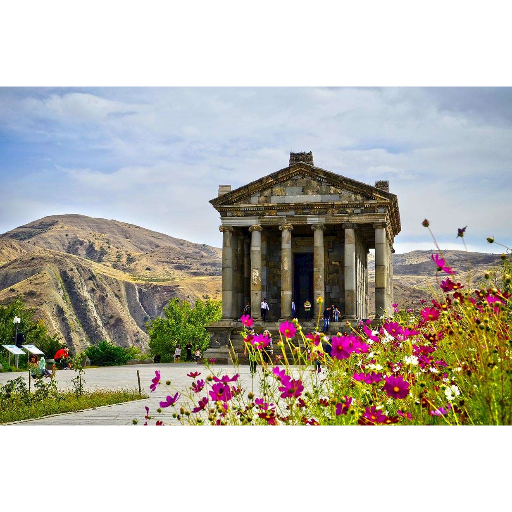
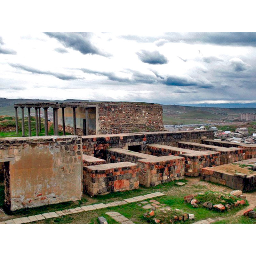
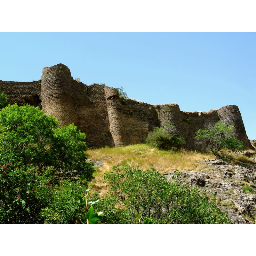
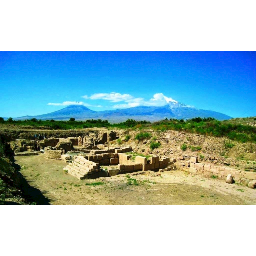
The country that adopted the Christianity as an official religion in 301 is rich for ancient temples, monasteries and sacred places. Pagan temple in Garni dedicated to the God of Son Mitra and the oldest Christian temple of Armenia – Etchmiadzin Cathedral. Monastery complex of Arichavank, monasteries Gekhard, Noravank and Hor Virap (Deep dungeon). Well preserved church of Karmravor and ruins of Zvartnots temple. The Saint Mesrop Mashtots Church and the Fortress and Castle Amberd.
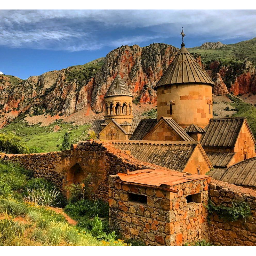
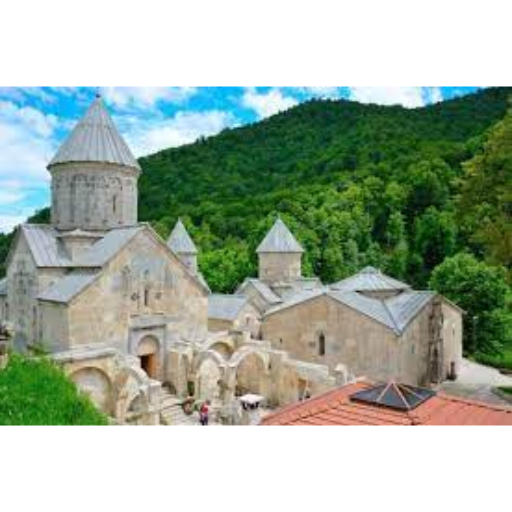
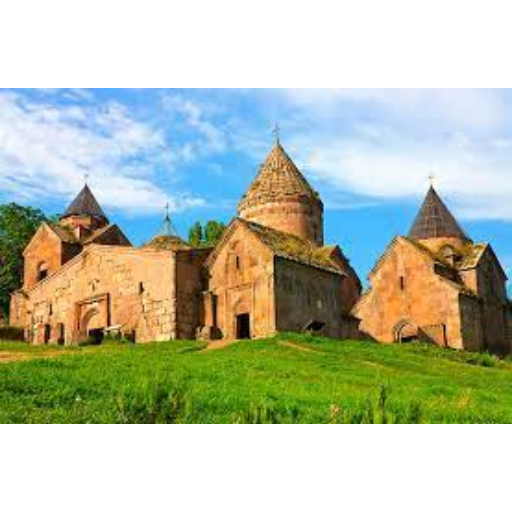
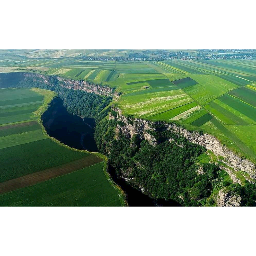
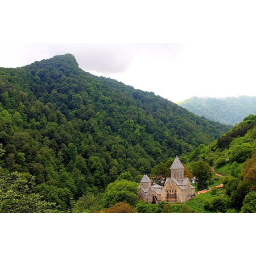
Landmarks and attractions of Armenia are not only ancient architectural monuments, but also its traditions and customs, delicious national cuisine and exclusive jewelry and unique nature of this places where high mountains transform to deep gorges, forests to semi-deserts and arid plains to snow-capped mountains. Through many hardships and changes Armenian nation could preserve its traditional lifestyle passing it from generation to generation the traditions of hospitality, history and culture.
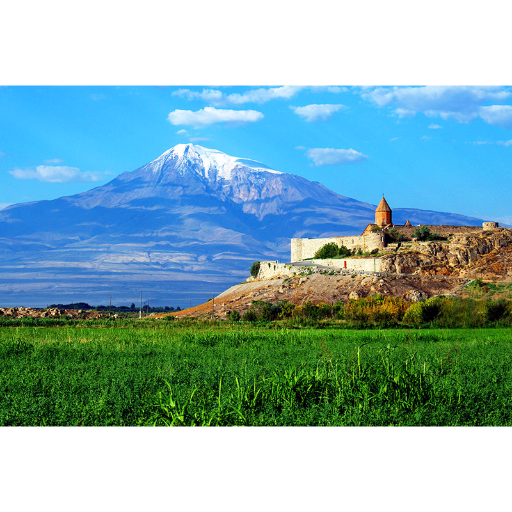
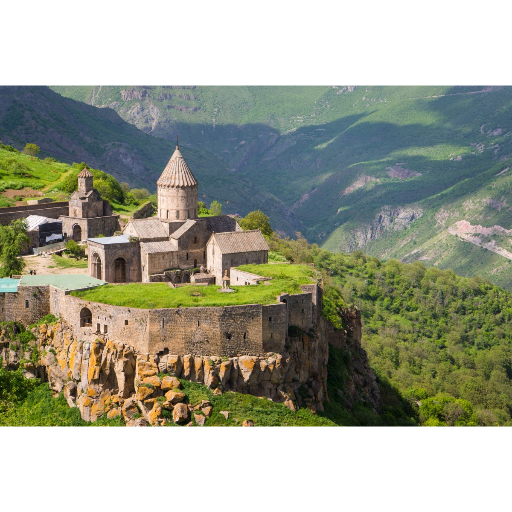
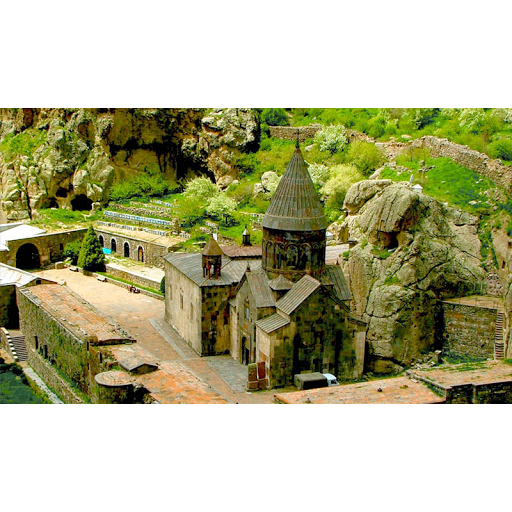
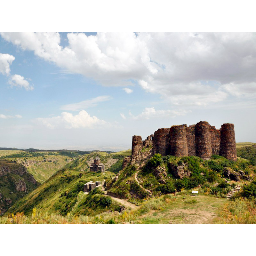
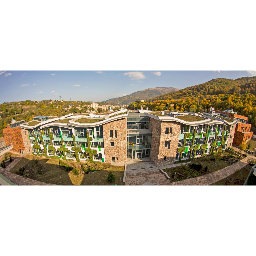
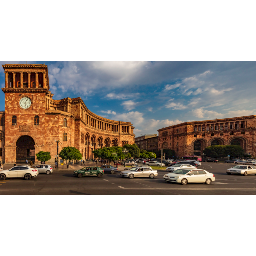
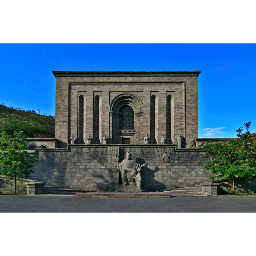
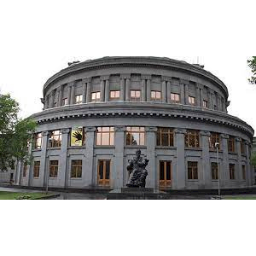
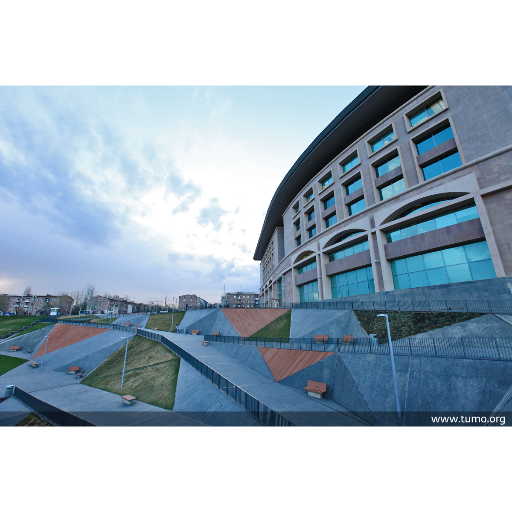
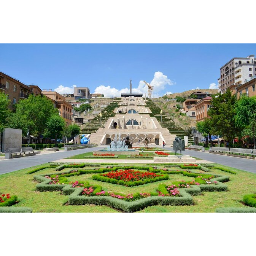
From 1920 through 1991, Armenia was a part of the Soviet Union. It was a period when industrialization flourished, and utilitarian Soviet-style architecture reigned. What's especially alluring about Armenia's Soviet architecture is its local feel: incorporating elements like the classical Armenian style and the locally quarried volcanic stone known as tuff that gives Yerevan its nickname, “the Pink City.”
Armenian Customs and Traditions
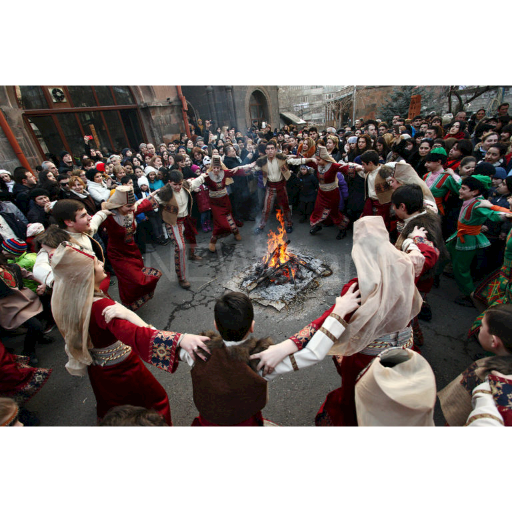
Trndez, in church terminology is known as Tyarndaraj which means “come to God”, is celebrated on 13th of February. The name “Trndez” is more popular among Armenian, and it means “God be with you” (Tern ynd dzez). This holiday is especially celebrated by those families where there are newly married couples. On Trndez people make fires in their yards and go round the fire, then they jump over it. Couples usually jump together holding hands. People also dance traditional songs and dances around the fire.
Vardavar or Vartavar is an Armenian festival in Armenia where people drench each other with water.
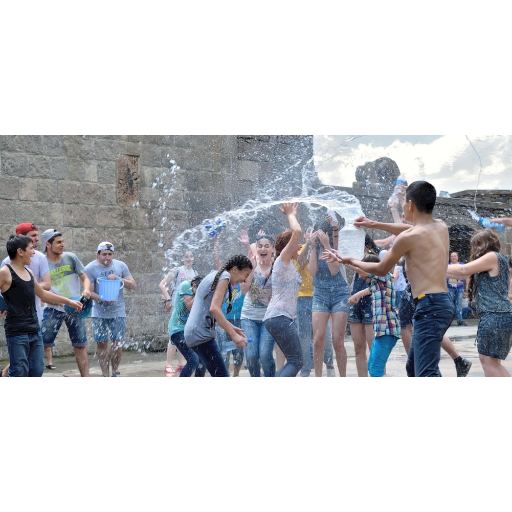
Vardavar
Masks, folk songs, dances, and most importantly, a joyful atmosphere – all these can be found during Barekendan which is celebrated in spring, a day before the Lent. It is one of the most ancient Armenian holidays. In old times, it was celebrated in February – the New Year according to the lunar calendar. It was believed that at this time nature awakens as spring comes.
Barekendan
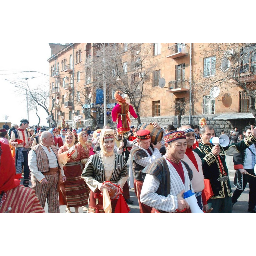
Perhaps blessed grapes are tastier. Perhaps it has simply become common practice not to sample their juicy goodness before a holy hand has touched them. Either way, local Armenians eagerly await the annual grape blessing, having abstained from sampling the fruits of their grape harvest until mid-August when the Armenian Church celebrates this ritual. The locals start to make their delicious Armenian wines only once the grapes have been blessed.
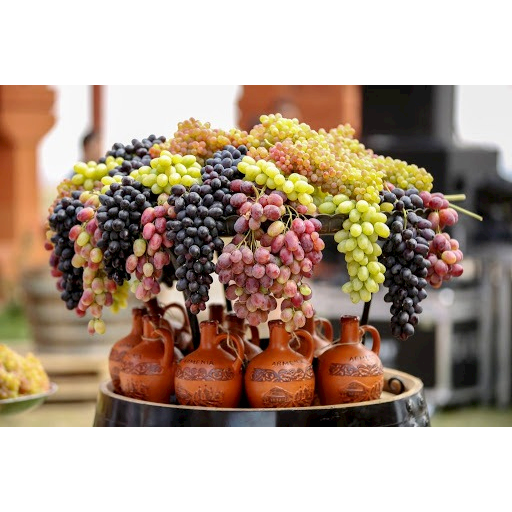
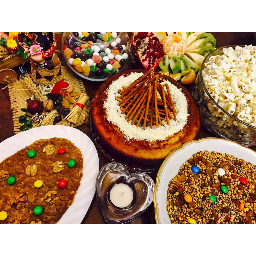
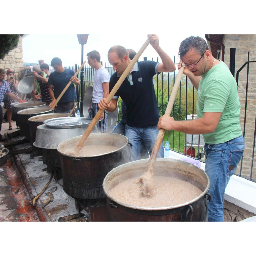
About 5,000 people, large and small, from the six villages around Musa Dagh climbed to the top of the mountain. During the 53 days spent on the mountain, the only food of the participants of the self-defense was harissa, which today has become the traditional holiday companion of the generations of Musaler people.

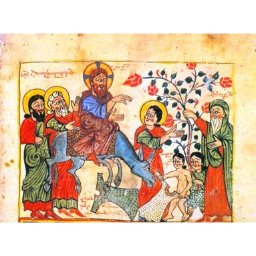
Palm Sunday Tsaghkazard.
Expect a riot of colours on the streets of Armenia on Palm Sunday (Tsaghkazard). Literally translated as “decorated with flowers”, Tsaghkazard sees churches across the country flamboyantly decorated with fresh flowers and willow branches.Being the first nation to adopt Christianity as a state religion, the Armenians are deeply religious.
Palm Sunday Tsaghkazard.
Celebrations such as Tsaghkazard, Easter and the Ascension are therefore key dates on the Armenian calendar. But the locals are also a superstitious bunch and they believe wholeheartedly that certain Armenian traditions will bring them good luck.At Tsaghkazard, the Armenian Christians believe that blessed willow branches will bring happiness and good fortune to their lives and homes.
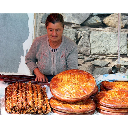
Armenian Customs: Armenian hospitality
Armenians are well-known for their hospitality and respect for foreigners. They are so glad to meet their foreign guests and try to do everything for making them feel as comfortable as possible and fall in love with Armenia. Many tourists after their visit remain impressed by this sincere attentiveness of the locals. For example, it won’t be surprising at all, if complete strangers invite you to their apartment for treating delicious Armenian dishes or volunteer to show you the city and the sights. In this case, you don’t need to be afraid of the selfish intentions, it is just a sign of hospitality.
Hospitality traditions in Armenia are famous in the region and beyond. Armenians are always ready to hold a feast filled with delicious dishes, drinks and laugher. Guests are regarded as a gift from God and are addressed by the term jan (dear), which demonstrates the kindhearted nature of the Armenian people.
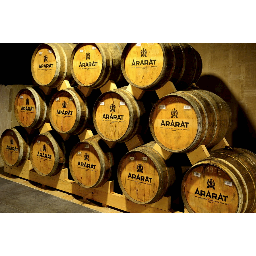
Traditional Armenian brandy began to develop in the 19th century and today is one of the main symbols of the Land of Noah. In particular, the winery of Shustov and Sons, now known as Yerevan Brandy Company, has grown from a small enterprise into one of the world’s most renowned brandy manufacturers. Through the use of endemic grape varieties from the Ararat Valley, a double distillation method and special Caucasian oak barrels, the company is able to produce a premium-quality brandy distinguished by its sweet aroma, caramel color and distinct grape flavor.
Culture of Armenia
One of the most energetic Armenian dances is the martial dance Yarkhushta. Yarkhushta is believed to have its origins in the early Middle Ages as it is mentioned in the works of Movses Khorenatsi, Faustus of Byzantium, and Grigor Magistros. Yarkhushta has traditionally been danced by Armenian soldiers before combat engagements, partly for ritualistic purposes, and partly in order to cast off fear and boost battle spirit.
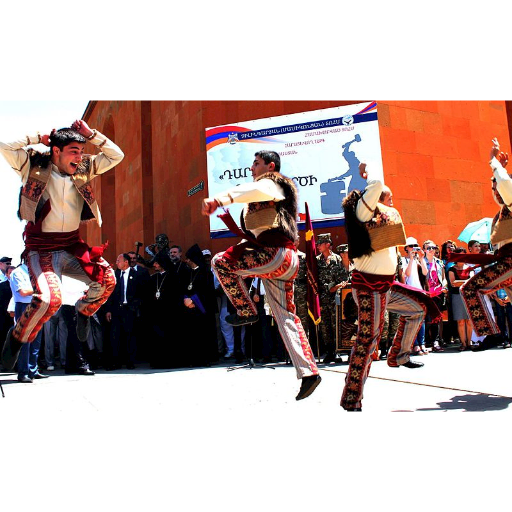
The Armenian dance heritage has been one of the oldest, richest and most varied in the Near East. From the fifth to the third millennia B.C., in the higher regions of Armenia there are rock paintings of scenes of country dancing. These dances were probably accompanied by certain kinds of songs or musical instruments. In the 5th century Moses of Khorene (Movsés Khorenats'i) himself had heard of how the old descendants of Aram (that is Armenians) make mention of these things (epic tales) in the ballads for the lyre and their songs and dances.
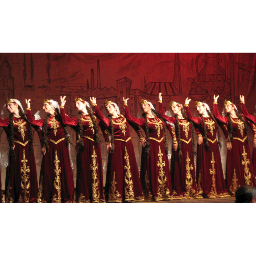
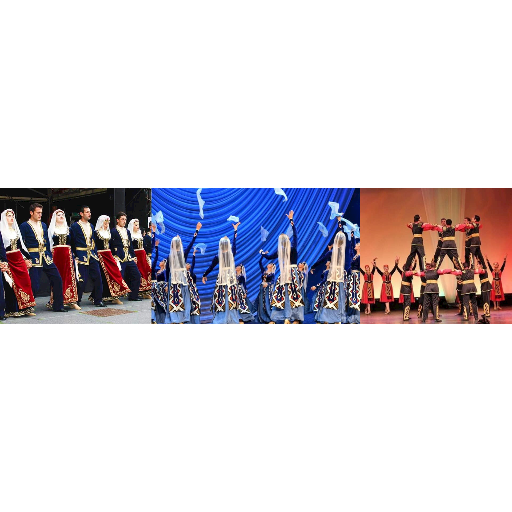
Ververi or Ver-ver is an Armenian group dance. The dance consists of two parts. The beginning of the song has a slow tempo. After some time, the tempo changes and gets faster. The word “Ver” in Armenian means up, and the word “Ververi” means go up and up. Previously the dance was called “Vernapar” the meaning of which is “a dance to up”. The dancers usually were young and strong men. They were jumping very high by teaching children they needed to grow up and to be strong to protect their country. Also, in Armenian mythology, it is said that this dance would change the entire way of living for all the existing species in the world. If you ever visit Armenia don’t lose your opportunity to dance our national dances. By the way, you can even wear Taraz and feel the Armenian’s spirit at its most.
Khachkar
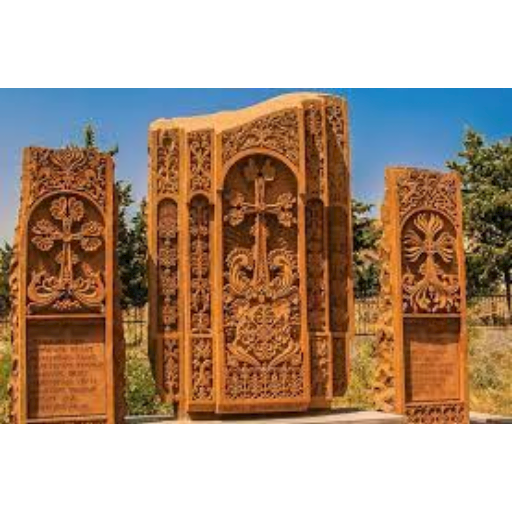
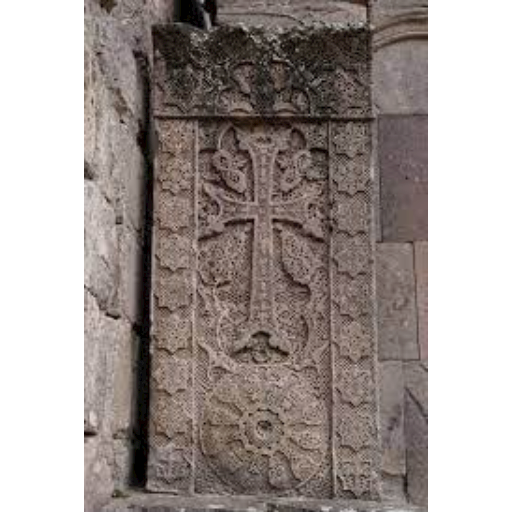
A khachkar, also known as an Armenian cross-stone (Armenian: is a carved, memorial stele bearing a cross, and often with additional motifs such as rosettes, interlaces, and botanical motifs. Khachkars are characteristic of Medieval Christian Armenian art.
Since 2010, khachkars, their symbolism and craftsmanship are inscribed in the UNESCO list of Intangible Cultural Heritage.
The ancient Armenian culture found expression in architecture, painting, and sculpture. The periods of greatest artistic activity tended to correspond to those of national independence or semi-independence, but, for the most part, this activity had reached its high point by the end of the 14th century.
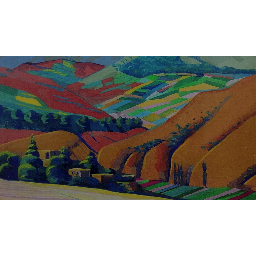
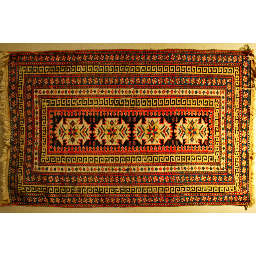
Armenian art is the unique form of art developed over the last five millennia in which the Armenian people lived on the Armenian Highland. Armenian architecture and miniature painting have dominated Armenian art and have shown consistent development over the centuries..Other forms of Armenian art include sculpture, fresco, mosaic, ceramic, metalwork, engraving, and textiles, especially Armenian carpets.
The National Art Gallery in Yerevan has more than 16,000 works that date back to the Middle Ages, which indicate Armenia's rich tales and stories of the times. It houses paintings by many European masters as well. The Modern Art Museum, the Children’s Picture Gallery, and the Martiros Saryan Museum are only a few of the other noteworthy collections of fine art on display in Yerevan.
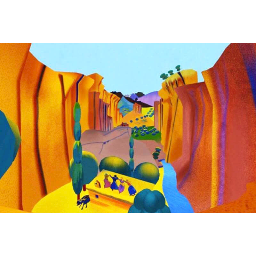
Armenian applied arts developed through the centuries as local artisans absorbed the practices of conquering civilizations, using their newly acquired skills to create vibrant mosaics of artwork. Armenian potters, jewelers and weavers passed on their skills to their descendants, and today Armenian handicrafts dazzle with their elaborate designs and rich colors. Pottery dating back to the 7th century BC, Bronze Age jewelry and a tapestry of medieval carpets once praised by Marco Polo continue to impress visitors to the country. Tourists can admire historic examples in museums, watch the ancient trades being plied in special factories and purchase handmade products for themselves.
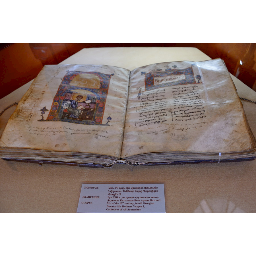
Armenian fine arts have graced the land since iniquity, as proved by mosaics found on the walls of Erebuni Fortress of 782 BC and the intricate montages and lavish ornamentation uncovered in the 1st-century Garni Temple. Artistic expression in the country received new impetus with the arrival of Christianity to the land, with church frescoes, holy icons and sacred manuscript illustrations continuing to evolve to reflect Armenia’s cultural values. In the 17th-19th centuries, significant figures on the Armenian art scene brought portrait, landscape and miniature paintings to the limelight, with names such as Hakob Hovnatanyan and Martiros Saryan well respected even to this day. Visitors to Armenia can now appreciate local expressions of art in museums, monasteries, churches and galleries across the country.
- < BEGINNING
- END >
-
DOWNLOAD
-
LIKE(2)
-
COMMENT()
-
SHARE
-
BUY THIS BOOK
(from $6.59+) -
BUY THIS BOOK
(from $6.59+) - DOWNLOAD
- LIKE (2)
- COMMENT ()
- SHARE
- Report
-
BUY
-
LIKE(2)
-
COMMENT()
-
SHARE
- Excessive Violence
- Harassment
- Offensive Pictures
- Spelling & Grammar Errors
- Unfinished
- Other Problem





COMMENTS
Click 'X' to report any negative comments. Thanks!