
This work is the result of collaborative work between the Special Education teachers, Alexandra Castelar and Natália Ribeiro, and the Portuguese language teacher, Manuela Paredes. We also have the collaboration of the English teacher, Cristina Tomé.
Students involved: António; Adriana; Caesar; Diogo; Fabia; Maria; Patricia; Sarah and Catherine.
Commemorative Stone Cross of the Battle of Salado (Guimarães - Portugal)
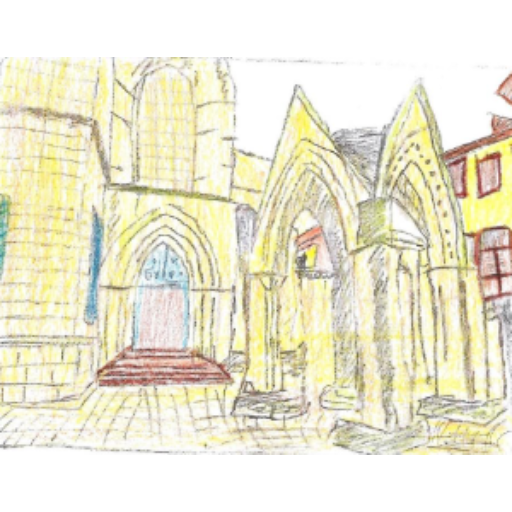
Ex-libris of the city of Guimarães, Padrão do Salado, a commemorative Stone Cross of the victory of the Battle of Salado is located in the heart of the Historical Centre, opposite the Church of Nossa Senhora da Oliveira.
Walkthrough the Historical Centre, and get to know this Medieval Monument of the victory at Salado, an impressive Portuguese National Monument (also known as the Monument of Nossa Senhora da Vitória) which is full of beauty.
The stone cross is covered by a stone vault, supported by four arches, embellished by triangular elevations in the shape of a wedge that gives the monument its peculiar appearance, that you must get to know.
Montanha da Penha
(Guimarães - Portugal)
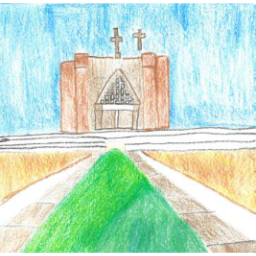
From the beautiful historic center of Guimarães, we can see this lovely Mountain, also known as Santa Catarina Mount, the highest point in the urban area of the town, from where one has an astonishing panorama view that stretches out towards the ocean.
Penha Mountain is one of the most important and famous highlights in Guimarães and is now provided with the most diversified facilities.
If you like natural sites, the Penha Mountain offers you a Campsite, an Equestrian center, a Mini-Golf Camp, a Snack Park, Tourist Mini-Train tours, and Pedestrian itineraries on the mountain.
You can also visit Senhora da Penha Sanctuary: an important pilgrimage center, built during the 1930s.
Sanctuary of Bom Jesus do Monte
(Braga - Portugal)
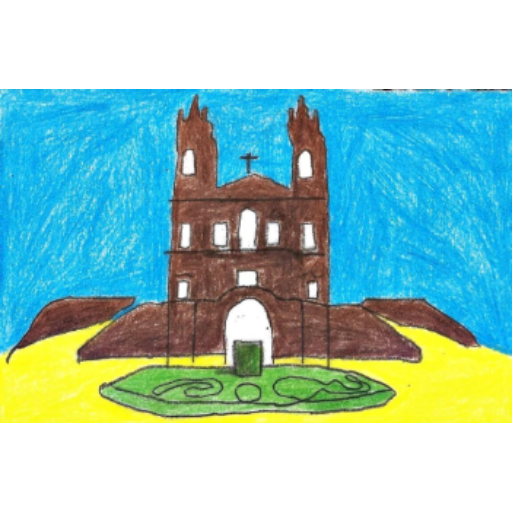
Located on the slopes of Mount Espinho, overlooking the city of Braga in the north of Portugal, this cultural landscape evokes Christian Jerusalem, recreating a sacred mount crowned with a church.
The celebrated Stairway of the Five Senses, with its walls, steps, fountains, statues, and other ornamental elements, is the most emblematic Baroque work within the property.
If you go to Braga, don’t forget to visit the Sanctuary. In addition to all its history, you will enjoy walking through the picturesque park that, masterfully set on the rugged hill, highly contributes to the landscape value of the ensemble.
Typical pastry
(Viana do Castelo - Portugal)
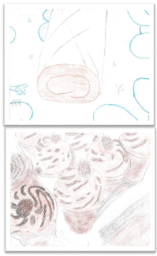
Viana do Castelo is a region of Portugal very rich in its sweets.
Of particular note, for example, is the recipe for Torta de Viana, of convent origin, very appreciated in the region and all over our country. It is very fluffy and creamy.
Torta de Viana is considered one of the most typical sweets in the capital of Alto Minho, made with eggs, sugar, flour, fine salt, and marmalade.
The basils are sweets made with sugar and eggs. Together with other delicacies, they characterize the gastronomic legacy of the city. Created in 1970, they originated from the idea of filling a cookie cup with a homemade recipe for sweet eggs, which after being filled and curled, resembles a basil vase.
Lello Bookstore
(Porto - Portugal)
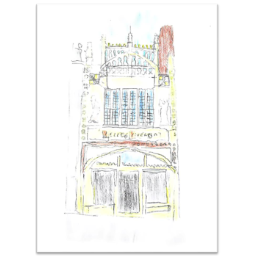
The Bookstore is a centenary space, managing to maintain its young and irreverent spirit over time. In 1894, after several acquisitions, the bookstore reached the hands of the Lello family. The Lello brothers started looking for space where they could build a bookstore from scratch, and in 1906 the Lello bookstore was born, precisely where it is now, at the beginning of Rua das Carmelitas.
Visiting Lello bookstore should be on the top of your priorities of the best things to do in Oporto.
Lello bookstore is definitely not the right place for peaceful reading, but it provides a journey to the ancient bookstores of Oporto.
The Cleric Tower
(Oporto - Portugal)
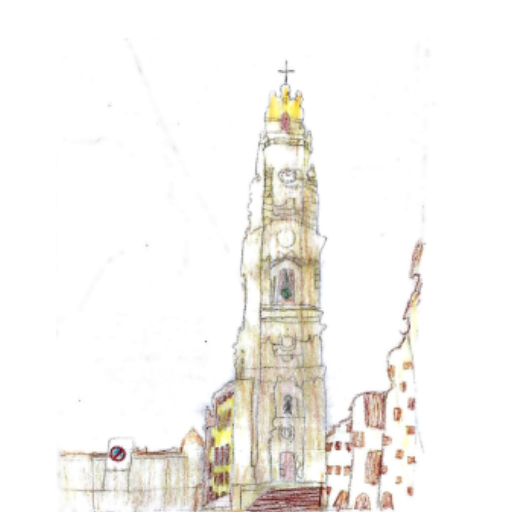
The Cleric tower is an ex-libris of the city of Oporto and is the tallest tower in Portugal.
You must visit the tower, where you have access to floors and pieces hitherto hidden from the public.
In addition to the magnificent view, you can visit the Museu da Irmandade dos Clérigos, which includes pieces from the church's legacy and paintings, sculptures, antique furniture, and tapestries.
Palace and Quinta da Regaleira
(Sintra – Portugal)
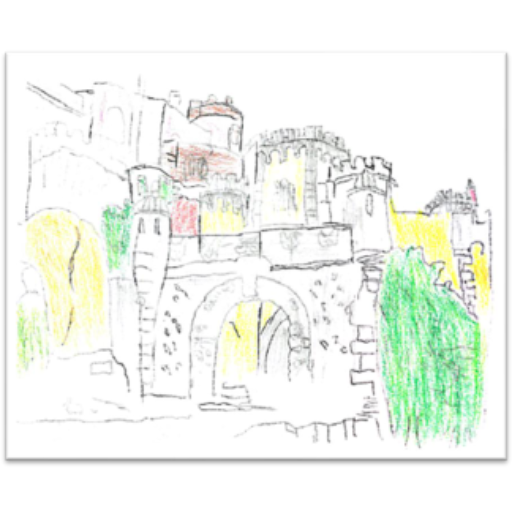
The Regaleira Palace is the largest building in and the common name given to Quinta da Regaleira. The house is located on the hillside, a short distance from Sintra’s Historic Centre, and classified as Property in the Public Interest since 2002.
The palace is surrounded by lush gardens, lakes, caves, and enigmatic constructions. Space is a mixture of styles, evoking Romanesque, Gothic, Renaissance, and Manueline architecture.
Quinta da Regaleira must be experienced.
It is not enough to hear about its memory, landscape, and mysteries. You must get to know the estate, contemplate the scenery among the gardens and buildings, admire the Palace, a true philosophical mansion of alchemical inspiration, walk through the exotic park and feel its spirit
Cathedral of Santa Maria del Fiore
(Florence, Italy)
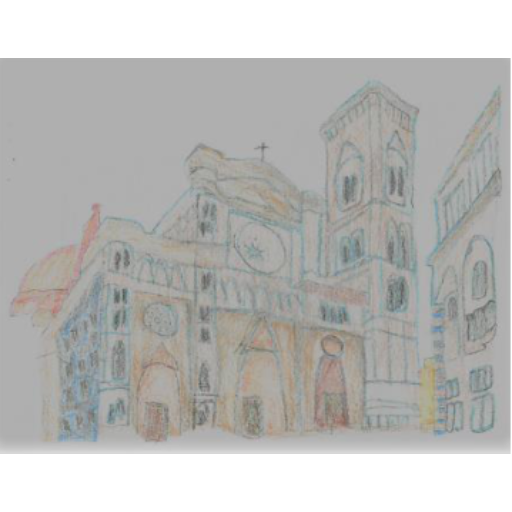
The Cathedral of Santa Maria del Fiore is one of the symbols of Florence, whose towers rise over the city with its magnificent Renaissance dome, being one of the largest churches in Italy.
You must visit the Florence Cathedral, a complex located in Piazza Duomo, which includes the huge dome and Giotto's imposing belfry that, next to the Battistero, outlines the city's skyline.
From the top of the dome, you can enjoy a panoramic view of Florence.
The Colosseum
(Roma - Italy)
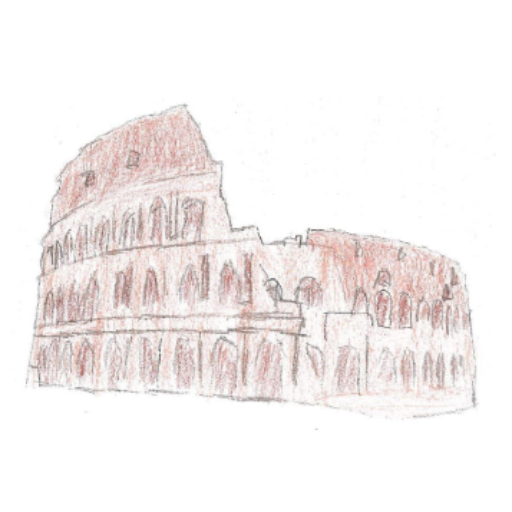
The Colosseum of Rome was built between 70 and 90 A.D.
The original name of the Colosseum of Rome was the Flavian Amphitheatre (in Latin Amphitheatrum Flavium), having been built in the reigns of the emperors of the Flavian dynasty, after the reign of Emperor Nero.
The name Flavian Amphitheater is still used today, although it is more popularly known as the Colosseum of Rome.
This is the main symbol of Rome, and it will take you back in time to discover what the ancient society of the Roman Empire was like.
If you go to Rome, you must visit the Colosseum!
Dilek National Park
(Kusadasi - Turkey)
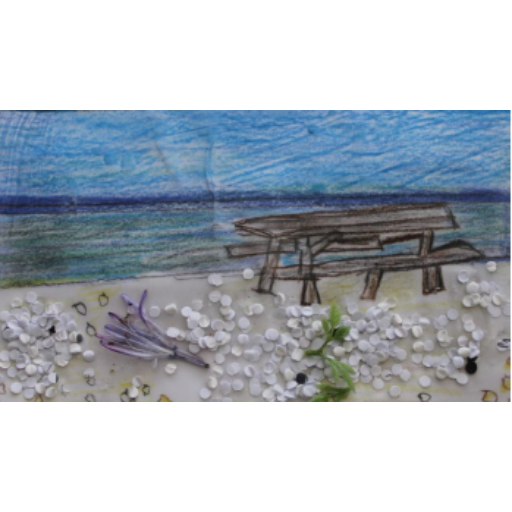
Dilek Peninsula National Park in Kusadasi is among the most important natural heritages of Turkey, with an area of 27.598 hectares.
Dilek Peninsula declared in 1966 as a national park covers 10.985 hectares.
If you like being in contact with nature, you can go camping in the national park in tents or caravans, and there is food available.
Dilek Peninsula National Park in Kusadasi has extraordinary beauty of Mediterranean flora with blue- and emerald-colored clean beaches.
Enjoy your stay!
Rumeli castle
(Istanbul – Turkey)
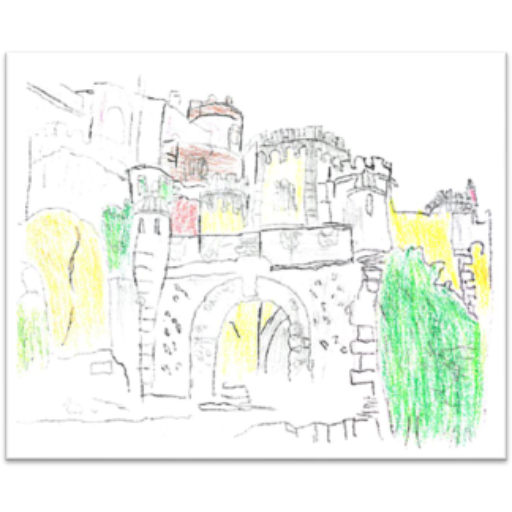
Rumeli Castle is an Ottoman fortress, dating to 1452.
The castle is situated on the shore of the Bosphorus Strait at its narrowest point with approximately 660 meters.
The castle was built by Ottoman sultans to prevent military and economic aid to the Byzantine Empire coming from the north, the Black Sea.
Rumeli Castle consists of three large towers, one small tower, and thirteen smaller towers, which all are in very good condition.
If the past attracts you, don't hesitate to visit this castle that will make you travel through history.
Windmills in the Netherlands
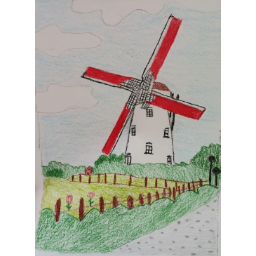
Windmills in the Netherlands are a tradition and registered trademark of the country.
You should visit this place to have a unique experience, and get to know the windmills that drain water from the lowlands, helping to cultivate the land.
You must visit the kinderdijk park, a historic park, a UNESCO World Heritage Site, where 19 of these windmills are concentrated
- < BEGINNING
- END >
-
DOWNLOAD
-
LIKE
-
COMMENT()
-
SHARE
-
BUY THIS BOOK
(from $5.19+) -
BUY THIS BOOK
(from $5.19+) - DOWNLOAD
- LIKE
- COMMENT ()
- SHARE
- Report
-
BUY
-
LIKE
-
COMMENT()
-
SHARE
- Excessive Violence
- Harassment
- Offensive Pictures
- Spelling & Grammar Errors
- Unfinished
- Other Problem






COMMENTS
Click 'X' to report any negative comments. Thanks!