This work is part of the Erasmus+ and eTwinning project Hello, Dear Cli-Mates.
This eco-friendly dictionary has been developed by students and teachers from the partner schools in Romania, Turkey, Spain and Italy.
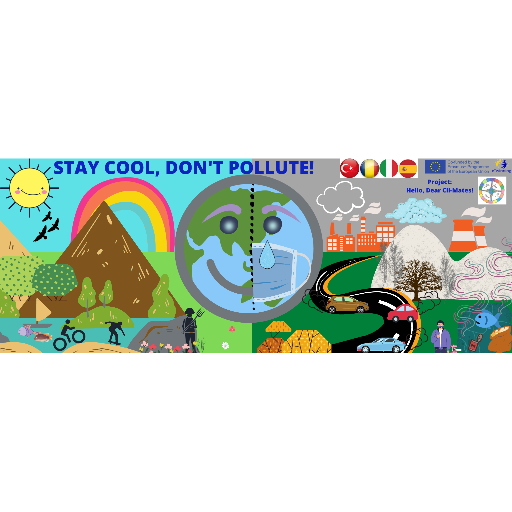

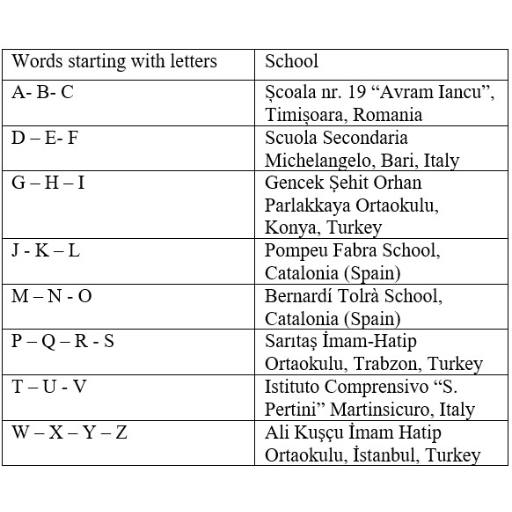
Each school involved in the project has contributed with environment and climate change related entries.
A
Air The invisible gaseous substance surrounding the earth, a mixture mainly of oxygen and nitrogen.
Atmosphere The gaseous envelope surrounding the Earth. The dry atmosphere consists almost entirely of nitrogen (78.1% volume mixing ratio) and oxygen (20.9% volume mixing ratio), together with a number of trace gasses, such as argon (0.93% volume mixing ratio), helium, radiatively active greenhouse gasses such as carbon dioxide (0.035% volume mixing ratio), and ozone. In addition the atmosphere contains water vapor, whose amount is highly variable but typically 1% volume mixing ratio. The atmosphere also contains clouds and aerosols.
A
Adaptation Changes in processes, practices and structures to
help cope with the effects of climate change - such as building
flood defenses or switching to drought-resistant crops.
Anthropogenic Made by people or resulting from human activities. Usually used in the context of emissions that are produced as a result of human activities.
Abrupt Climate Change Sudden (on the order of decades), large changes in some major component of the climate system, with rapid, widespread effects.
Aerosols Small particles or liquid droplets in the atmosphere that can absorb or reflect sunlight depending on their composition.
Alternative Energy Energy derived from nontraditional sources (e.g., compressed natural gas, solar, hydroelectric, wind).
Biodiversity A wide range of living organisms, such as animals and plants, in an environment. Biodiversity is essential for ecosystems to survive. For example, without plants, there would be no oxygen - and without bees to pollinate, there would be no fruit or nuts. The total diversity of all organisms and ecosystems at various spatial scales (from genes to entire biomes).
Biomass/biofuel Any organic matter that comes from plants and animals, such as cow dung, corn crops or wood chips that can be used for renewable energy. Biofuel is the fuel derived from biomass. The UK considers biofuel renewable, but some scientists say it is not as it emits CO2.

Biogeochemical Cycle Movements through the Earth system of key chemical constituents essential to life, such as carbon, nitrogen, oxygen, and phosphorus.
Biosphere The part of the Earth system comprising all ecosystems and living organisms, in the atmosphere, on land (terrestrial biosphere) or in the oceans (marine biosphere), including derived dead organic matter, such as litter, soil organic matter and oceanic detritus.
Black Carbon Black carbon (BC) is the most strongly light-absorbing component of particulate matter (PM), and is formed by the incomplete combustion of fossil fuels, biofuels, and biomass. It is emitted directly into the atmosphere in the form of fine particles (PM2.5).
Borehole Any exploratory hole drilled into the Earth or ice to gather geophysical data. Climate researchers often take ice core samples, a type of borehole, to predict atmospheric composition in earlier years.
Barrier Any obstacle to reaching a goal, adaptation or mitigation potential that can be overcome or attenuated by a policy, program, or measure.
Basin The drainage area of a stream, river or lake.
Benthic community The community of organisms living on or near the bottom of a water body such as a river, a lake or an ocean.
Biochemical Oxygen Demand (BOD) The amount of dissolved oxygen consumed by microorganisms (bacteria) in the biochemical oxidation of organic and inorganic matter in wastewater.
Biocovers Layers placed on top of landfills that are biologically active in oxidizing methane into CO2.
Bioenergy Energy derived from biomass.
Biofilters Filters using biological material to filter or chemically process pollutants like oxidizing methane into CO2.
Biological options Biological options for mitigation of climate change involve one or more of the three strategies: conservation, sequestration, substitution.
Biome A biome is a major and distinct regional element of the biosphere, typically consisting of several ecosystems (e.g. forests, rivers, ponds, and swamps within a region). Biomes are characterized by typical communities of plants and animals.
Biota All living organisms of an area; the flora and fauna considered as a unit.
Boreal forest Forests of pine, spruce, fir and larch stretching from the east coast of Canada westward to Alaska and continuing from Siberia westward across the entire extent of Russia to the European Plain.
Breakwater A hard engineering structure built in the sea which, by breaking waves, protects a harbor, anchorage, beach or shore area. A breakwater can be attached to the coast or lie offshore.

Carbon cycle The biogeochemical cycle by which carbon is exchanged between Earth's biosphere, pedosphere, geosphere, hydrosphere, and atmosphere.
Carbon dioxide A colorless, odorless gas produced by burning carbon and organic compounds and by respiration. It is naturally present in air (about 0.03 per cent) and is absorbed by plants in photosynthesis.
Chemical ecology A branch of ecology which studies the use by organisms of naturally occurring chemical compounds for various purposes.
Climate The weather conditions prevailing in an area in general or over a long period.
Climate change A change in global or regional climate patterns, in particular a change apparent from the mid to late 20th century onwards and attributed largely to the increased levels of atmospheric carbon dioxide produced by the use of fossil fuels.
Climatology The scientific study of climate, defined as weather conditions averaged over a long period of time.
Coal A black brown sedimentary rock with combustible properties formed by carbonization (enrichment in carbon and absence of oxygen) of the remains of some plants from geological epochs.
Cryosphere One of the interrelated components of the
Earth's system, the cryosphere is frozen water in the form
of snow, permanently frozen ground (permafrost), floating
ice, and glaciers. Fluctuations in the volume of the cryosphere cause changes in ocean sea level, which directly impact the atmosphere and biosphere.
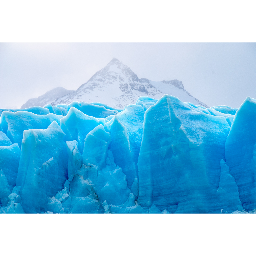

Deforestation The practice of clear-cutting all the trees of forests by humans for wood products, for croplands and grazing lands which completely destroys the forest. In some cases, however, even accidental fires thin out the trees enough to change the forest structure dramatically.
Dress recycling Textile recycling is the process of recovering fiber, yarn or fabric and reprocessing the textile material into useful products. The end result of this processing can vary from the production of energy and chemicals to new articles of clothing.
Drink water Water that is clean enough to drink.
Drought Lack or insufficiency of rain for an extended period that causes a considerable hydrologic (water) imbalance and, consequently, water shortages, crop damage, streamflow reduction, and depletion of groundwater and soil moisture. It may be the result of climate change.
Desertification Desertification, also called desertization, is the process by which natural or human causes reduce the biological productivity of drylands. Declines in productivity may be the result of climate change, deforestation, overgrazing, unsustainable irrigation practices, or combinations of these factors.

Eco friendly Environment friendly processes or marketing terms referring to goods and services (also referred to as nature-friendly, and green), which are sustainable, producing minimal, or no harm upon ecosystems or the environment.
Ecolabel Ecolabels (also "Eco-Labels") and Green Stickers are labeling systems for food and consumer products. They are a form of sustainability measurement directed at consumers, intended to make it easy to take environmental concerns into account when shopping.
Ecology Also called bioecology, bionomics, or environmental biology, it is the study of the relationships between organisms and their environment. Some of the most pressing problems in human affairs are expanding populations, food scarcity, environmental pollution including global warming, extinctions of plants and animal species.
Ecosystem Ecosystem is the complex of living organisms, their physical environment, and all their interrelationships in a particular unit of space.
Electricity Electricity is a phenomenon associated with stationary or moving electric charges. Electric charge is a fundamental property of matter and is borne by elementary particles. In electricity the particle involved is the electron, which carries a charge designated, by convention, as negative.
Emissions An amount of something, especially a gas, that harms the environment, that is sent out into the air.
Energy Energy, in physics,is the capacity for doing work. It may exist in potential, kinetic, thermal, electrical, chemical, nuclear, or other various forms like heat and work. After it has been transferred, energy is always designated according to its nature. Heat transferred may become thermal energy, while work done may manifest itself in the form of mechanical energy.
Energy efficiency Efficient use of energy, sometimes simply called energy efficiency, is the goal of reducing the amount of energy required to provide products and services, and can also reduce the effects of air pollution.
Energy saving Energy saving is the effort made to reduce the consumption of energy by using less of an energy service. This can be achieved either by using energy more efficiently (using less energy for a constant service) or by reducing the amount of service used (for example, by driving less).
Energy source Energy extracted or captured directly from natural sources.There are renewable resources which include sources such as sunlight, wind, rain, tides, waves, and geothermal power, and nonrenewable resources like fossil fuels, which are being used far more quickly than they are being replenished. Although most renewable energy sources are sustainable, some are not. For example, some biomass sources are considered unsustainable at current rates of exploitation.

Flood A flood is an overflow of water that submerges land that is usually dry. Climate change and sea level rise, human changes to the environment (deforestation and removal of wetlands, changes in waterway course or flood controls like levees) often increase the intensity and frequency of flooding.
Food chain A food chain is a linear network of links among living beings, starting from producer organisms (such as grass or trees which use radiation from the Sun to make their food via photosynthesis) and ending at predator species (like grizzly bears or killer whales), detritivores (like earthworms or woodlice), or decomposer species (such as fungi or bacteria). A food chain shows how organisms are related to each other by the food they eat.
Food waste It is a food loss which occurs at all stages of the food supply chain – production, processing, sales, and consumption. When we waste food, we also waste all the energy and water it takes to grow, harvest, transport, and package it. And if food goes to the landfill and rots, it produces methane—a greenhouse gas even more powerful than carbon dioxide.
Footprint The impact that a particular activity, person, or group has on the environment. The ecological footprint measures how fast we consume resources and generate waste.
Forest Complex ecological system in which trees are the dominant life form. It can occur wherever the temperatures rise above 10 °C (50 °F) in the warmest months and the annual precipitation is more than 200 mm (8 inches).
Fossil fuel Any of a class of hydrocarbon containing materials of biological origin occurring within Earth’s crust that can be used as a source of energy.
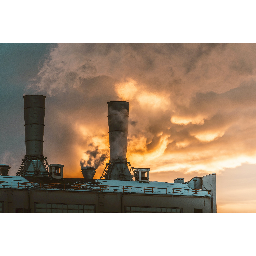

Geography The scientific study of the Earth’s surface, physical features, divisions, products and population.
Geology The scientific study of the physical structure of the Earth, including the origin and history of the rocks and soil of which the earth is made.
Glacier A slow-moving mass or river of ice, formed from snow on mountains or near the North or South Poles.
Global warming The increase in temperature of the Earth’s atmosphere that is caused by the increase of particular gases, especially carbon dioxide.
Grassland A large area of open land covered with wild grass.
Greenhouse effect The problem of the slow steady rise in temperature of the Earth’s atmosphere, caused by an increase of gases such as carbon dioxide in the air surrounding the Earth, which trap the heat of the Sun.
Greenhouse gas Any of the gases that are thought to cause the greenhouse effect, especially carbon dioxide.
Grey water The water that has been used before (e.g. washing), and can be stored and used again in toilets, for example.
Ground water Underground water that is held in the soil and rocks.

Habitat The place where a particular type of animal or plant is normally found.
Heavy metals The elements that have a relatively high density and is toxic or poisonous such as arsenic.
Hydrology The scientific study of the Earth’s water, especially its movement in relation to land.
Heat The quality of being hot or the act of making something such as food hot.
Herbicide A chemical that is poisonous to plants, used to kill plants that are growing where they are not wanted.
Hydrosphere All of the water on or over the Earth’s surface.

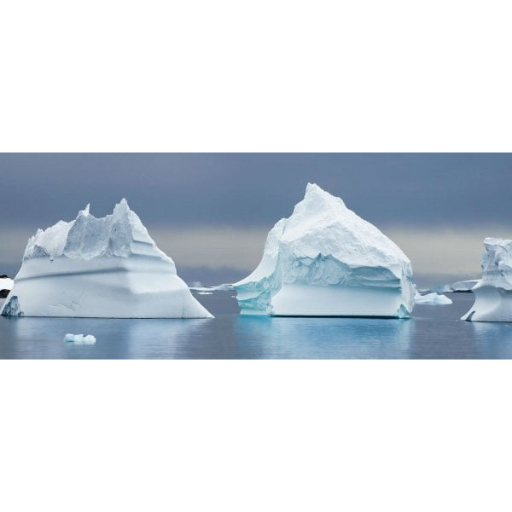
Iceberg An extremely large mass of ice floating in the sea.

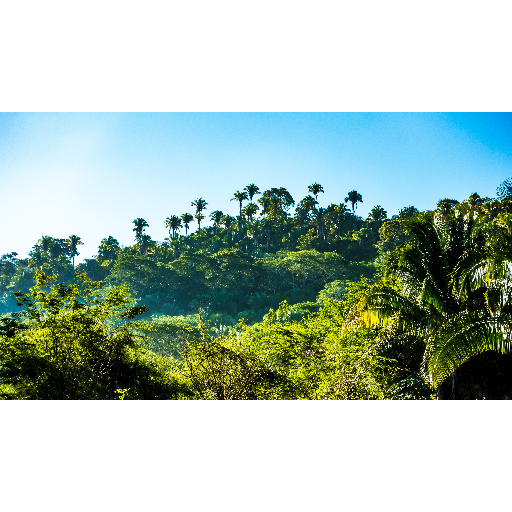
Jungle Wild land overgrown with thick, dense plant life, often nearly impossible to penetrate.

Kilowatt One thousand watts, a watt being a unit of measure of power, or how fast energy is used. Kilowatts are typically used to describe intermediate quantities of power, such as power usage in a home.
Kilowatt Hour (kwh) A unit of measure for energy, typically applied to electricity usage. It is equal to the amount of energy used at a rate of 1000 watts over the course of one hour.

Lagoon An artificial pool for storage and treatment of polluted or excessively hot sewage, industrial waste.
Lake An expanse of water entirely surrounded by land and unconnected to the sea except by rivers or streams.
Landfill The process of getting rid of large amounts of rubbish by burying it, or a place where rubbish is buried.
Landscape To improve the appearance of (an area of land, a highway, etc.), as by planting trees, shrubs, or grass, or altering the contours of the ground.
Land-use change A change in the use or management of land by humans, which may lead to a change in land cover. Land cover and land-use change may have an impact on properties of the climate system, and may thus have an impact on climate, locally or globally.
Leakage A reduction in emissions of greenhouse gases within the state that is offset by an increase in emissions of greenhouse gases outside the state.
Life-support system The natural structures and systems that are necessary for living things, especially humans, to be able to live.
Light emitting diode (LED) A device composed of a semiconducting material that emits light upon the application of an electric current. LEDs produce light from electricity more efficiently than either compact fluorescent lights or incandescent lights.
Lıght pollutıon Unwanted artificial light that has a negative effect on the environment.
Litter Small pieces of rubbish that have been left lying on the ground in public places.
Litterbug Someone who drops rubbish on the ground in public places.
Low emission zone An area of a city that vehicles that produce more than a low level of harmful emissions (waste gases) must pay to enter.
Low-energy Using less electricity or other fuel than other similar things.
Lumen A unit of luminous flux represents the amount of light emitted that is visible to the human eye. It is used in measuring and comparing the amount of light visible to the human eye produced by lamps such as light-emitting diodes, compact fluorescent lights, and incandescent bulbs.

Maritime climate A maritime climate occurs in regions whose climatic characteristics are conditioned by their position close to a sea or an ocean.
Mass extinction Any substantial increase in the amount of extinction (lineage termination) suffered by more than one geographically wide-spread higher taxon during a relatively short interval of geologic time.
Megadrought A severe drought lasting for two or more decades.
Megafire It is an extraordinary fire that devastates a large area. They are characterized by their intensity, size, duration, and uncontrollable dimension.
Melting poles It is a consequence of climate change.
Methane A gas with no smell or colour, often used as a fuel.
Migration Movement of a person either across an international border(international migration), or within a state (internal migration) for more than one year irrespective of the causes, voluntary or involuntary, and the means, regular or irregular, used to migrate.
Mitigation Making something less harmful, unpleasant or bad.

Natural gas An odorless, colorless gas found in the Earth. Natural gas is a type of fossil fuel.
Nature All the plants, creatures, and things that exist in the world that are not made by people.
Nitrogen A gas that has no colour and smell and is the main part of the air.
Non renewable resources It is a natural substance that is not replenished with the speed at which it is consumed. Its supply is finite.
Nuclear energy The energy released during nuclear fission or fusion, especially when used to generate electricity.
Nuclear pollution Also called Radioactive contamination, is the deposition of, or presence of radioactive substances on surfaces or within solids, liquids, or ...

Ocean acidification Refers to a reduction in the pH of the ocean over an extended period of time, caused primarily by uptake of carbon dioxide (CO2) from the atmosphere.
Oil-slick A film or layer of oil floating on an expanse of water.
Organic Not using artificial chemicals in the growing of plants and animals for food and other products.
Oxidize If a substance oxidizes, it combines with oxygen and loses hydrogen to form another substance, and if something oxidizes a substance, it causes it to do this.
Oxygen A gas in the air that people and animals need to breath.
Ozone A form of oxygen that has a strong smell.
Ozone-friendly A product that does not produce gases that are not harmful to the ozone layer.
Ozone layer A layer of gases around the earth that protects it from the sun’s heat.
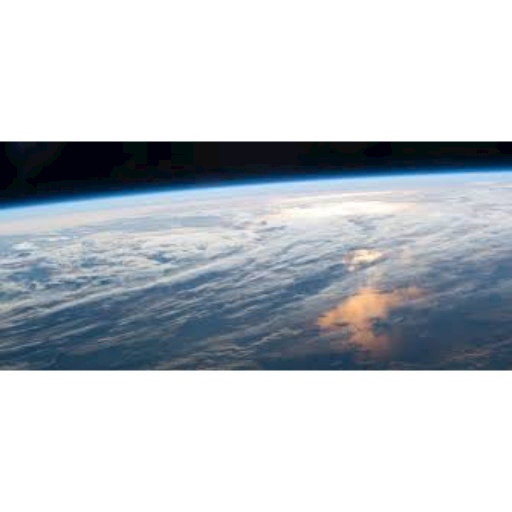

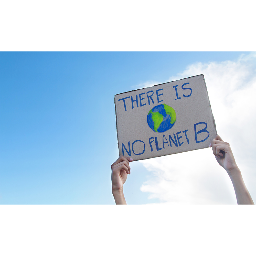
Planet A large, round object in space that moves around the sun or another star.
Plant A living thing that grows in the soil or water and has leaves and roots, especially one that is smaller than a tree.
Plastic A light, artificial substance that can be made into different shapes when it is soft and is used in a lot of different ways.
Plastic pollution The accumulation of plastic waste in the environment which negatively affects all living things and their habitat.
Polar Relating to the North or South Pole.
Polar bear A large, white bear that lives in the Arctic.
Pollution Damage caused to water, air, etc by harmful substances or waste.
Preserve To keep something the same or prevent it from being damaged or destroyed.
Prevent To stop something happening or to stop someone doing something.
Protect To keep someone or something safe from something dangerous or bad.

Quag An area of wet ground that you can sink into.
Quake A sudden movement of the Earth's surface, often causing severe damage.
Quench To pour water over plants.

Radiation A form of energy that comes from a nuclear reaction and that in large amounts can be very dangerous.
Radioactive Containing harmful radiation.
Rain Water that falls from the sky in small drops.
Rainforest A forest with a lot of tall trees where it rains a lot.
Ray A narrow beam of light, heat, or energy.
Reduce To make something less.
Renewable energy Energy that is collected from renewable resources that are naturally replenished on a human timescale.
Reuse To find a new use for something so that it does not have to be thrown away.
River A long, natural area of water that flows across the land and into a sea, lake, or another river.
Rock The hard, natural substance that forms part of the Earth's surface.

Sand A substance that is found on beaches and in deserts, which is made from very small grains of rock.
Save To stop someone or something from being killed or destroyed.
Sea-level rise An increase in the level of the world’s oceans due to the effects of global warming.
Soil The top layer of earth that plants grow in.
Solar panel A piece of equipment that changes light from the sun into electricity.
Solar power Energy that uses the power of the sun.
Sun The large, bright star that shines in the sky during the day and provides light and heat for the Earth.

Thermal energy It is the heat (or cold) used to produce something. Thermal emissions include the greenhouse gases released from the processes of heating and cooling.
Thermometer An instrument for measuring temperature. It usually consists of a narrow glass tube containing a thin column of a liquid which rises and falls as the temperature rises and falls.
Thunderstorm A thunderstorm is a storm in which there is thunder and lightning and a lot of heavy rain.
Tidal power The use of the rise and fall of tides involving very large volumes of water at low heads to generate electric power.
Tornado A violent wind storm consisting of a tall column of air which spins round very fast and causes a lot of damage.
Toxic A toxic substance is poisonous.
Transition The period of time during which something changes from one state or stage to another. Energy transition is the shift from an energy mix based on fossil fuels to one that produces very limited, if not zero, carbon emissions, based on renewable energy sources.
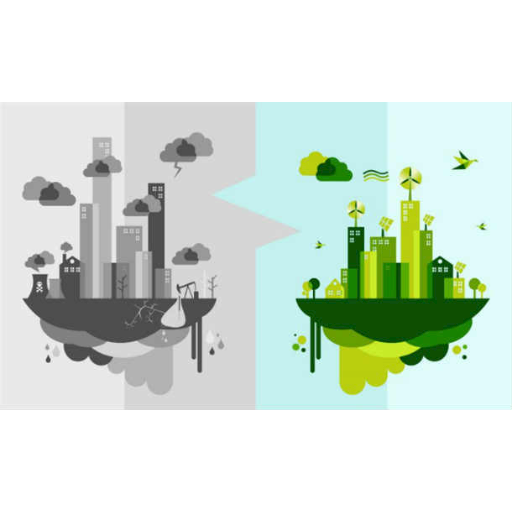

Unleaded petrol Petrol containing a reduced amount of tetraethyl lead. Unleaded petrol does not release lead
compounds from exhaust fumes into the atmosphere and causes less pollution.
Unsustainable Maintained at a steady level exhausting natural resources or causing severe ecological damage.
Ultraviolet Ultraviolet (UV) radiation is a form of electromagnetic radiation that comes from the sun. Climate change may have indirectly influenced the levels of UV radiation in the past by altering the amounts of ozone, UV-absorbing tropospheric gases, aerosols, and clouds in the atmosphere.
Urbanization The process by which large numbers of people become permanently concentrated in relatively small areas, forming cities. Urban areas are major contributors to climate change.
Use up To consume entirely.

Vegetation Plants, trees, and flowers can be referred to as vegetation. It influences the amount of water vapor and carbon dioxide in the air.
Vehicle A vehicle is a machine such as a car, bus, or truck which has an engine and is used to carry people from place to place. The principal emissions from motor vehicles (by volume) are greenhouse gases, which contribute to climate change.
Volcano A volcano is a mountain from which hot melted rock, gas, steam, and ash from inside the Earth sometimes burst.

Waste The materials which are no longer needed and are thrown away.
Waste disposal The collection, processing and recycling or deposition of the waste materials of human society. The process of getting rid of unwanted materials or substances.
Waste water Contaminated water with waste substances from homes, factories and farms.
Wastewater Treatment Plant A place or factory that is set to clean the water from certain chemicals.
Water A liquid without any colour, smell or taste that falls as rain and exists in lakes, rivers and seas, and used for drinking, washing, and many other purposes.
Water footprint An environmental indicator that measures the volume of fresh water used throughout the entire production chain of a consumer item or service.
Water supply The water provided for a town, an area or a building; the act of or system for supplying water to a town, city or certain area.
Water vapor Water in the form of a gas that results from the heating water or ice.
Watershed A line of high land where streams on one side flow into one river, and streams on the other side flow into a different river.
Watercycle The way that water is taken up from the sea, rivers, lake, soil, etc. and then the way it comes back down as rain or snow.
Wave A raised line of water that moves across the surface of the sea, ocean, river or lake.
WCC The acronym for World Climate Conference.
Weather The condition of the atmosphere at a particular place and time, such as the temperature.
Wetlands An area of land that is naturally wet most or all of the time.
Wildlife Animals, birds, insects, etc. that are wild and live in a natural environment.
Wind power Electricity produced using wind turbines, wind energy.
Winter The coldest season coming after Autumn.
World The Earth.
WWF World Wide Fund for Nature: A well-known foundation set to protect wildlife and environment.
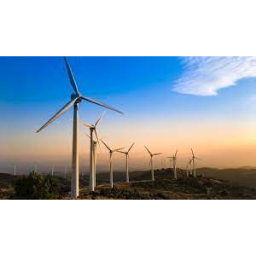
Xenon A chemical element which is a gas that is found in very small quantities in the air, the troposphere which is the lowest layer of the Earth’s atmosphere.
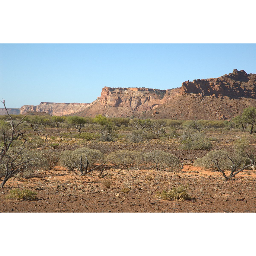
Xeric A land which is mostly dry and without humidity.
Xerophile An organism that can even flourish in a very dry environment.


Yard A piece of land next to or around houses where people can grow fruit, vegetables, flowers or other plants.
Yield The total amount of crops, profits, etc. that are produced.
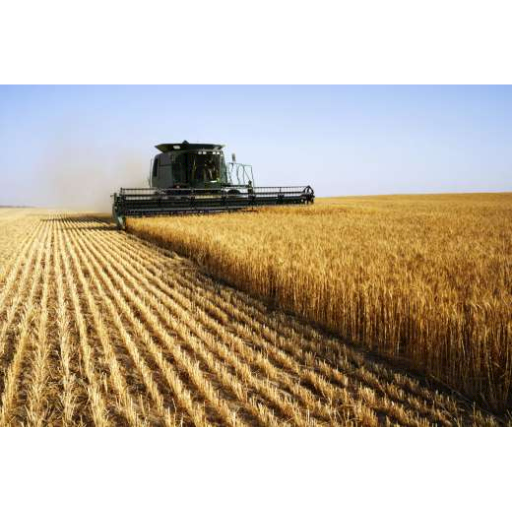

Zero emission Used to describe a vehicle that does not produce gases which cause air pollution.
Zero waste Not producing any waste material.
Zoning The practice of allowing areas of land to be used only for particular purposes.
Zoology The scientific study of animals and their behaviour on Earth.
- < BEGINNING
- END >
-
DOWNLOAD
-
LIKE
-
COMMENT()
-
SHARE
-
BUY THIS BOOK
(from $10.19+) -
BUY THIS BOOK
(from $10.19+) - DOWNLOAD
- LIKE
- COMMENT ()
- SHARE
- Report
-
BUY
-
LIKE
-
COMMENT()
-
SHARE
- Excessive Violence
- Harassment
- Offensive Pictures
- Spelling & Grammar Errors
- Unfinished
- Other Problem





COMMENTS
Click 'X' to report any negative comments. Thanks!