O ZAŠTIĆENIM VRSTAMA U SUBOTICI I PALIĆU
TEKST I FOTOGRAFIJE PREUZETE SA PANOA SA PALIĆKOG ŠETALIŠTA
ON PROTECTED SPECIES
IN SUBOTICA AND PALIĆ
TEXT AND PHOTOS DOWNLOADED FROM THE PANEL FROM PALIĆ PROMENADE

AKTIVNA ZAŠTITA STANIŠTA / ACTIVE HABITAT PROTECTION
MAĐARSKO SIVO GOVEČE / HUNGARIAN GREY CATTLE
Mađarsko sivo goveče je veoma pogodno za održavanje zaštićenih travnih staništa i revitalizaciju močvarnih i slatinskih staništa jer nije preterano zahtevno i rado se hrani mladom trskom. Najviše voli mezofilne travnjake, vlažne livade i plavne površine, gde ekstenzivnom ispašom, u kratkom vremenskom periodu stvara mozaičnu travnu zajednicu koja je osnov za razvoj biološke raznovrsnostii pojavu velikog broja zaštićenih vrsta biljaka i životinja, najviše ptica.
Hungarian Grey cattle is very suitable for the maintenance of protected grass habitats and the revitalisation of wetlands and saline habitats, because it is not overly demanding and gladly feeds on young reeds. It prefers mesophilic grasslands, wer meadows and floodplains, where extrensive grazing creates a mosaic grass community in a short period and animals, mostly birds.
Na našim zaštićenim područjima, mađarsko sivo goveče se koristi i za suzbijanje trske na vlažnim livadama. Trska na vlažnim livadama ima invazivane osobine - brzo se širi, zauzima prostor i menja karakter prirodnih staništa. Pored toga, ova trska je uglavnom lošeg kvaliteta, pa njeno košenje i ekonomska eksploatacija nisu isplativi. Zbog toga nam je cilj da trsku na vlažnim livadama suzbijemo, što je najefikasnije ukoliko se ona eliminiše dok je mlada, u zelenoj fazi.
In our protected areas, Hungarian Grey cattle is also used to control reeds in wet meadows. Reeds on wet meadows have invasive features - they spread quickly, take up space and change the character of natural habitats. In addition, this reed is generally of poor quality, so its mowing and economic exploitation are not profitablerefore, our goal is to control the reed on wet meadows, which is most effective if it is eliminated while it is young, in the green phase.
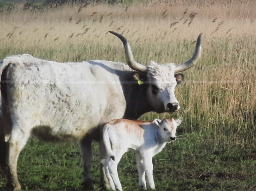
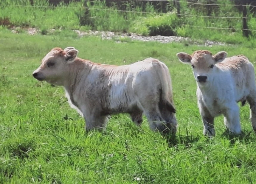
Mađarsko sivo goveče
Hungarian Grey cattle
VODENI BIVOLI / WATER BUFFALO
Praksa okolnih zemalja je pokazala da se vodeni bivo efektivno i bez velikih ulaganja može uzgajati i koristiti u okviru zaštite prirode zabarenih, močvarnih predela, gde uspešno suzbija nekontrolisano šireću trsku i praktično, sam opstaje u ekstenzivnim uslovima. Posebno je pogodan, jer je jedini preživar koji jede i staru, suvu, pa čak i delom trulu trsku i rogoz. Tokom kretanja i traženja hrane, životinje jedu, lome trsku,potapaju osušenu močvarnu vegetaciju, stvarajući tako otvorene vodene površine i na ovim novonastalim vodenim oknima se formiraju pogodna staništa za razmnožavanje i ishranu zaštićenih vrsta, poput vivka, vlastelice, barske šljuke i muljače.
The practice of the surrounding countries has shown that water buffalo can be breeded effectively and without large investments and it can be used in the nature protection of swampy habitats and wetlands, where it successfully suppresses
uncontrolled spreading of reeds, while practically, survives on its own on extensive conditions. It is especially suitable because it is the only ruminant that eats old, dry, and even partly rotten reeds and rushes. During their movement and search for food, these animals eat and break reeds, submerge dried wetland vegetation, creating open water surfaces. Then, in these newly formed water ditches, suitable habitats are formed for the reproduction and nutrition of some protected species, such as northern lapwing, black-winged stilt, common snipe and black-tailed godwit.
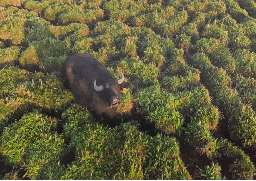
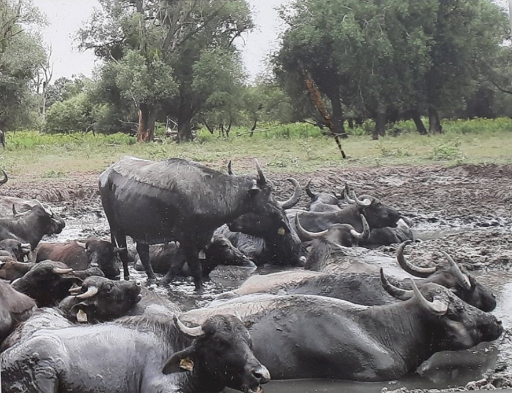
Vodeni bivoli / Water buffalo
ZBRINJAVANJE TEKUNICE / CARE OF EUROPEAN GROUND SQUIRREL
Tekunica je ugrožena vrsta u Evropi sa populacionim trendom u opadanju u većem delu svog areala. Zbog povlačenja ekstenzivnog stočarstva i ispaše, intenzivnog razvoja poljoprivrede, smanjivanja i nestajanja staništa širom Evrope, tekunica je klasifikovana kao ranjiva vrsta sa populacionim trendom u opadanju. Takođe, nalazi se na spisku vrsta zaštićenih Bernsko konvencijom kao i Konvencijom o očuvanju evropske divlje flore i faune i prirodnih staništa. Prema domaćoj legislativi predstavlja strogo zaštićenu vrstu na osnovu Pravilnika i proglašenju i zaštiti strogo zaštićenih i zaštićenih divljih vrsta biljaka, životinja i gljiva. Istorijski areal tekunice je u značajnoj meri redukovan i fragmentisan, a preostale malobrojne populacije su međusobno izolovane i u direktnoj opasnosti od nestajanja. Najbrojnije populacije tekunica zadržale su se u Srbiji, Mađarskoj, Rumuniji i Bugarskoj.
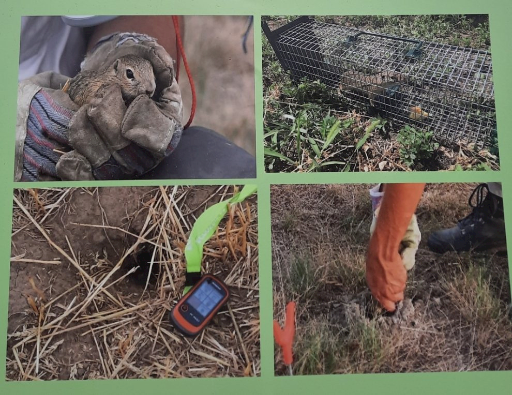
U Srbiji je tekunica nekada bila široko rasprostranjena na području Vojvodine. Danas se najbrojnije populacije ove vrste nalaze duž reke Tise, na fruškoj gori i na području Deliblatske peščare. Pedeset jedinki ove vrste je zbrinuto iz izuzetno nepovoljnih uslova, poljoprivrednog zemljišta koje se obrađuje, atara sela Čantavir i Bikovo, na teritoriju zaštićenog područja Predeo izuzetnih odlika "Subotička peščara".
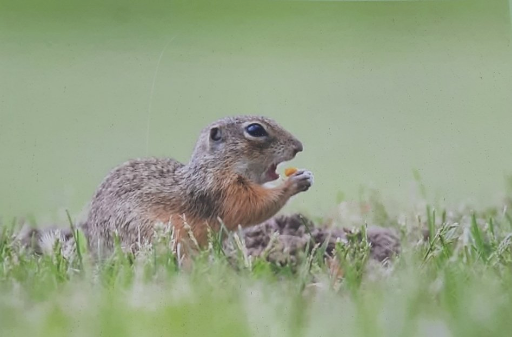
European ground squirrel is an endangered species in Europe with a declining population trend in most of ots range. Due to tje withdrawal of extensive livestock breeding and grazing, intensive agricultural development, declining and disappearing habitats across Europe, the ground agricultural development, declining and disappearing habitats across Europe, the ground squirrel is classifield as a vulnerable species eith a declining population trend. It is also on the list of species protected by the Bern Convention as well as the Convention on the Conservation of European Wildlife and NAtural Habitats. According to domestic legislation, it is a strictly protected and protected wild species of plants, animals and fungi. The historical area of the ground squirrel has been significantly reduced and fragmented, and the extintion. The largest populations of ground squirrels remained in Serbia, Hungary, Romania and Bulgaria.
In Serbia, ground squirrel used to be widespread in the area of Vojvodina. Today, the most numerous populations of this species are located along the river Tisa, on Fruška Gora and in the area od Deliblato Sands. Fifty individuals of this species were taken care of due to extremely unfavourable conditions, living on the agricultural land that is being cultivated
around of the villages
of Čantavir and Bikovo, on the
territory of the protected
area of the Subotica Sands
landscape of outstanding
features.
Specijalni rezervat prirode Special Nature Reserve
Prirodno dobro od izuzetnog značaja - I kategorija, IV
Natural asset of outstanding importance - I category, IV
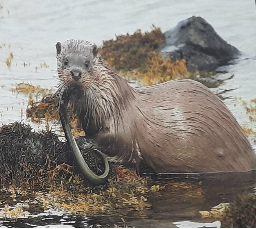
HERE LIVES - EURASIAN OTTER
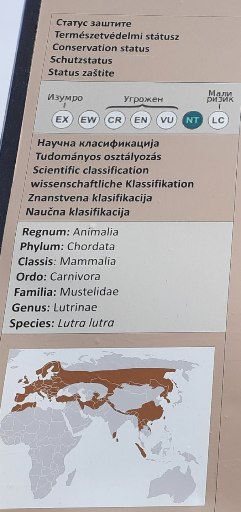

Tip staništa: slatke vode
Faktori ugrožavanja: pesticidi,
zagađenje voda i saobraćaj
Habitat type: fresh water
Threat factors: pesticides, water pollution and traffic
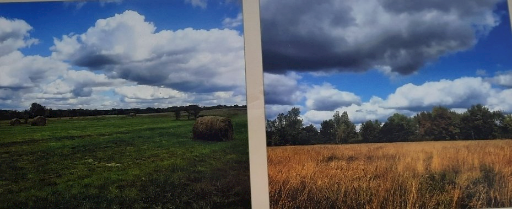
SUBOTIČKA PEŠČARA - Predeo izuzetnih odlika
SUBOTICA SANDS - Landscape of outstanding features
Prirodno dobro od velikog značaja - II kategodija, IV
Natural asset og great importance - II category, IV
TIP STANIŠTA: Podzemni tuneli u oraničnom sloju, dubine do 3 metra
ZANIMLJIVO: Pravi dve vrste hodnika, površinske u nivou korenja biljaka za ishranu, a dubinske za pravljenje gnezda.
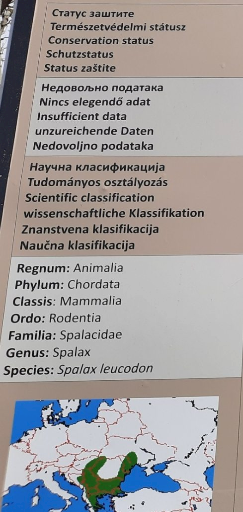
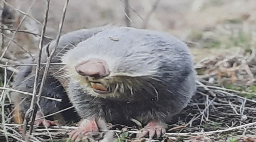
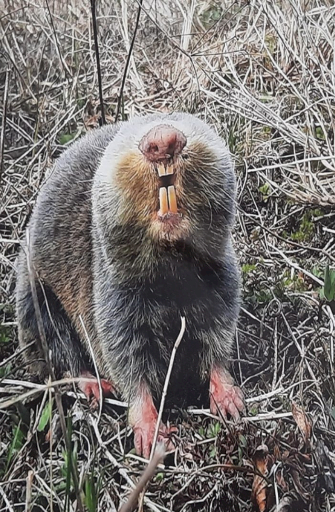
HABITAT TYPE: Underground tunnels in the arable layer, depth up to 3 meters.
INTERESTING: It makes two types of corridors: on the surface, at the level of plant roots (for feeding) and in depth (for nesting).
ŠAFRANJIKA
Šafranjika je jedna od najugroženijih biljaka u Srbiji
Spring meadow saffron is one of the most endangered plants in Serbia
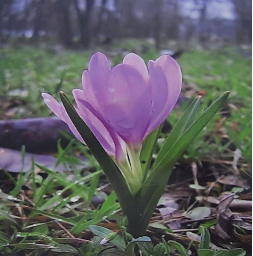
Šafranjika je jedna od najugroženijih biljaka u Srbiji, na rubu trajnog iščezavanja. Ovome je dodatno doprinelo preoravanje Subotičke peščare 2002. godine, pre nego što je ona stavljena pod zaštitu. Pokušaj da se povećaju obradive površine bio je neuspešan, a šafranjiku doveo do ruba opstanka na ovim prostorima. U cilju sprečavanja daljeg propadanja staništa i smanjenja populacije vrste, upravljač je 2008. godine pokrenuo projekat revitalizacije staništa kroz sprovođenje mera aktivne zaštite prirode - krčenje drvenastog podrasta i košenje na lokalitetima sa izvornom travnom vegetacijom.
UGROŽENOST I UZROCI UGROŽENOSTI
Verovatno jedna od najugroženijih biljaka u Srbiji, na rubu trajnog iščeženja i to zbog nemarnosti. Glavni činilac je direktno uništavanje (preoravanje) staništa.
Spring meadow saffron is one of the most endangered plants in Serbia, on the verge of permanent extinction. The plowing of the Subotica Sands in 2002, just before it was placed under protection, further contributed to this. That attempt to increase arable land was insuccessful, while it brought saffron to the brink of survival in this area. In order to prevent further habitat degradation and population reduction of the species, in 2008 the manager of the area launched a habitat revitalisation project through the implementation of active nature protection measures - clearing of woody undergrowth and mowing on sites with native grass vegetation.
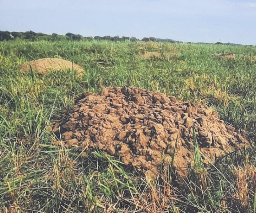
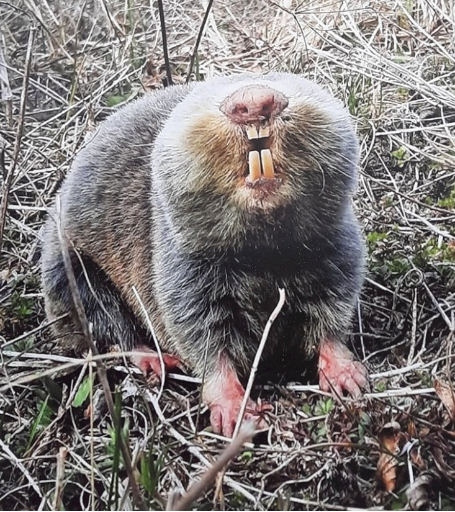
REVITALIZACIJA DEGRADIRANIHSTANIŠTA SLEPOG KUČETA
Predeo izuzetnih odlika "Subotička peščara", uz Deliblatsku peščaru, predstavlja jedno od poslednjih područja peščarsko-stepske vegetacije, koja omogućava opstanak stepskim vrstama kakvo je slepo kuče.
Procesi degradacije ovih staništa izazvani širenjem gradske zone, preoravanjem i pošumljavanjem, doveli su ovu populaciju slepog kučeta do ruba opstanka. U Srbiji je slepo kuče zaštićenozakonom kao strogo zaštićena vrsta, a nalazi se i na listi i globalno ugroženih vrsta, sa statusom VU D2. Zato su praćenje stanja populacije slepog kučeta, kao i aktivnosti na njihovoj reintruodukciji (vraćanje na staništa na kojima je njihov opstanak moguć) od velike važnosti za opstanak ove vrste.
The Subotica Sands landscape of outstanding features, along with Deliblato sandstone, is one of the last areas of sand-steppe vegetation that allows the survival of steppe species such as lesser mole-rats.
The degradation processes caused by urban sprawl, plowing and afforestation in these habitats have plunged this lesser mole-rat population to the brink od survival. In Serbia, the lesser mole-rat is legally protected as a strictly protected species and it is also on the list of globally endangered species with VU D2 status. Therefore, monitoring the condition of the mole-rat population and the avtivities related to their restrocking (return to habitats where their survival is possible) are very important for the survival of this species.
IZRADA I POSTAVLJANJE.....
MAKING AND INSTALLATION....
Staništa ove vrste - šumostepa - pašnjaci i livade sa usamljenim stablima su značajno izmenjena ili potpuno nestala. Uzorani i obrađivani pašnjaci, livade i lesne pustare, sve brojnije plantaže monokultura, pesticidi, infrastruktura i nestanak ispaše, uslovili su nestanak hrane - insekata, vodozemaca, gmizavaca. Smanjenju populacije doprinosi i nedostatak pogodnih duplji za gnežđenje. Postavljanjem veštačkih duplji - kućica za gnažđenje od drveta, koje zamenjuju prirodne duplje, za vrlo kratak period se značajno povećala populacija ove vrste u regionu. Modrovrane brzo prihvataju kućice i gnezde se u njima.
Modrovrana je u Srbiji strogo zaštićena vrsta. Zabranjeno je hvatanje, držanje, uništavanje jedinki ove vrste kao i sakupljanje i uništavanje njenih jaja. Zabranjeno je uznemiravati je u vreme gnežđenja ili uništiti gnezdo.
Zabranjeno je držanje, nabavljanje,
prepariranje ili rukovanje ovom
vrstom na bilo koji način bilo da je
jedinka živa ili mrtva.
The habitats of this species - forest
steppe pastures and meadows
dotted with solitary trees - have
changed significantly or completely
disappeared. The plowed and
cultivated pastures, meadows and
loess steppes, more and more
monoculture plantations, pesticides,
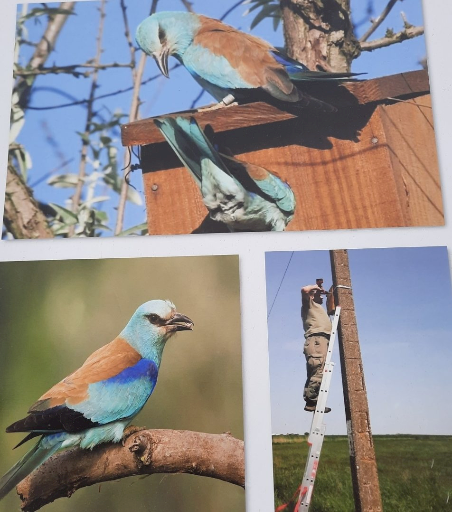
infrastructure and the disappearance of grazing have led to the disappearance of food - insects, amphibians, reptiles. The lack of suitable nesting sites also contributes to population decline. With the installation of artifical nests - wooden nesting houses - to replace natural cavities, the popular of the species has increased significantly in the region in a very short time. The rollers quickly accept the houses and are willing to nest in them.
The Europe roller is a structly protected species in Serbia- It is forbidden to catch, keep, destroy individuals of this species, as well as to collect and destroy its eggs. It is forbidden to disturb it during the nesting season or to destroy the nest. It is forbidden to keep, procure, prepare or handle this species in any way whether the individuals is alive or dead.
- Full access to our public library
- Save favorite books
- Interact with authors
- < BEGINNING
- END >
-
DOWNLOAD
-
LIKE
-
COMMENT()
-
SHARE
-
SAVE
-
BUY THIS BOOK
(from $8.39+) -
BUY THIS BOOK
(from $8.39+) - DOWNLOAD
- LIKE
- COMMENT ()
- SHARE
- SAVE
- Report
-
BUY
-
LIKE
-
COMMENT()
-
SHARE
- Excessive Violence
- Harassment
- Offensive Pictures
- Spelling & Grammar Errors
- Unfinished
- Other Problem






COMMENTS
Click 'X' to report any negative comments. Thanks!