



My periodic table book
By Anika Numburi
continents -->
what do elements in the same family have in common? = pg 4
the role of a proton = pg 5
metals,non-metals and metalloids = pg 6
the role of valence electrons = pg 7
families = pg 9
Alkaline Earth Metals = pg 10
Alkali metals = pg 12
Transition Metals = pg 14
Boron Family = pg 16
Nitrogen Family = pg 18
Carbon Family = pg 20
Oxygen Family = pg 22
Halogens = pg 24
Noble Gasses = pg 26
What do elements in the same family have in common? What do elements in the same period have in common?
the elements in the same family have the same number of valence electrons and similar chemical properties. the elements in the same period have the same number of electron shells.

what is the of the role of a proton in an element and how does this role dictates where the element is placed in the periodic table.
protons role determines = the number of protons in an atom's nucleus determines which chemical element it is.
Elements are placed in order by their atomic number on the periodic table. the atomic number is also equal to the number of protons that the element has


metals , non metals and metaloids
metals are substances that have more or less of a shiny appearance and are good conductors of electricity and heat
eg:(gold, tin, copper, or bronze)
nonmetals are chemical elements that lack the characteristics of a metal.
eg:( carbon, boron, or nitrogen)
metalloids are a mixture of metals and nonmetals
eg:(arsenic, antimony, or tin)

the role of valence electrons in the periodic table and how it relates to reactivity.
Electrons are involved in the chemical bonding and reactions of the atom.the number of valence electrons is equal to the group number of the atom
The number of valence electrons in atoms may cause them to be unreactive or highly reactive

lets move on to the families
Family Names
Alkaline Earth Metals
Transition Metals
Boron Family
Carbon Family
Nitrogen Family
Oxygen Family
Halogens
Noble Gases
families
Alkaline Earth Metals
chemical properties
Physical properties
they are highly metallic and good conductors of electricity
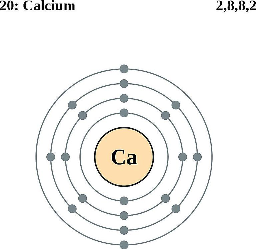
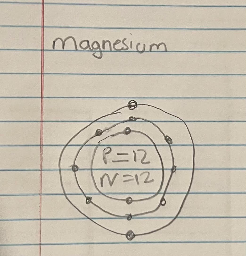
Elements in Alkaline Earth Metals: beryllium (Be), magnesium (Mg), calcium (Ca)
Alkaline Earth Metals are found in group 2 on the periodic table
Common uses: magnesium is found in water and is essential for our body's ability to function


Alkali metals
Chemical properties
they have high thermal and electrical conductivity, and high reactivity, they are luster, ductile and malleable
Physical properties
they have silver like luster appearance, are very soft, and can be cut by a kitchen knife
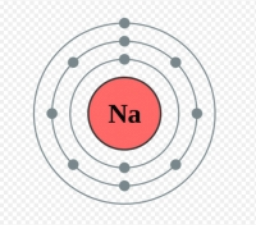
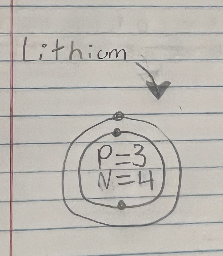
Elements in alkali metals: hydrogen (H), lithium (Li), sodium (Na)
Alkali metals are found in group 1 on the periodic table
Common uses: potassium is abundant in bananas which is crucial in the human body because it serves as an electrolyte


Transition Metals
Chemical properties
they are stereotypical metals .they are malleable, ductile, and lustrous metals we see everywhere
Physical properties
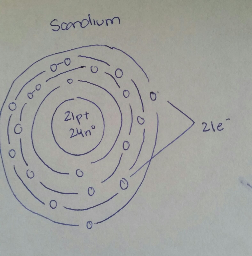
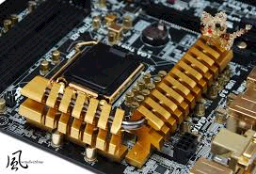
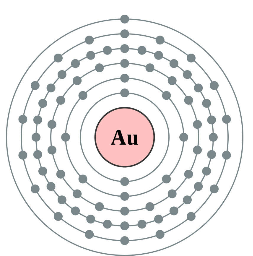
Elements in transition metals:Scandium(Sc) gold(Au), and silver(Ag)
Transition Metals are found in groups on the periodic table
Common uses: it is used in the construction and manufacturing industries.


Boron Family
Chemical properties
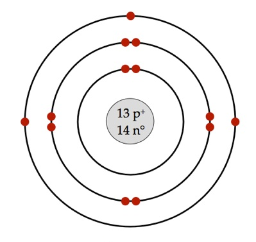
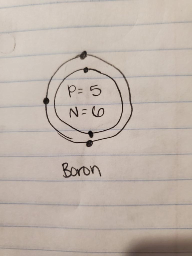
they have 3 valence electrons
Physical properties
all of the elements can conduct electricity
Elements in the Boron Family:boron (B), aluminum (Al), gallium (Ga)
the Boron Family is found in group 3 on the periodic table
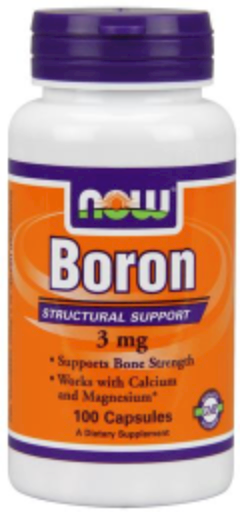
Common uses:it is in pain relievers,eye drops,mild antiseptics and washing powders


- Full access to our public library
- Save favorite books
- Interact with authors

- < BEGINNING
- END >
-
DOWNLOAD
-
LIKE
-
COMMENT()
-
SHARE
-
SAVE
-
BUY THIS BOOK
(from $5.19+) -
BUY THIS BOOK
(from $5.19+) - DOWNLOAD
- LIKE
- COMMENT ()
- SHARE
- SAVE
- Report
-
BUY
-
LIKE
-
COMMENT()
-
SHARE
- Excessive Violence
- Harassment
- Offensive Pictures
- Spelling & Grammar Errors
- Unfinished
- Other Problem

COMMENTS
Click 'X' to report any negative comments. Thanks!