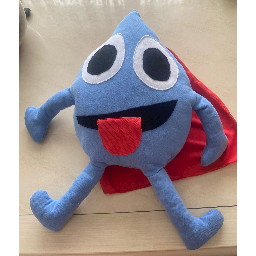

Mr. Drop encourages us to fight for a cleaner future by protecting the environment!

S.O.S: Invest In Our Planet
Our CREATE, REPAIR, REFURBISH SHOP's mission is to diversify, educate, and activate the environmental movement within our school through examples of good practices.
Overcoming climate change is within reach if we work together to commit to action and invest in our planet and our collective future. In order to make our peers and adults aware of the fact that not only our homes need to be clean but our world too, we have designed The Alphabet Friends to show you how to do your part and to understand the issues we are facing.

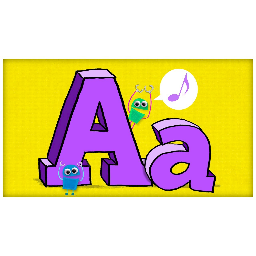
Air quality is important for all of us. Air pollution and climate change affect each other through complex interactions in the atmosphere. Air pollution is intricately linked with climate change because both problems come largely from the same sources, such as emissions from burning fossil fuels. Both are threats to people’s health and the environment worldwide.
Air Quality


Biodegradable

Conservation
Give the gift of nature to future generations!
Conservation is the act of protecting Earth's natural resources for current and future generations. Earth’s natural resources include air, minerals, plants, soil, water, and wildlife. Conservation is the care and protection of these resources so that they can persist for future generations. It includes maintaining diversity of species, genes, and ecosystems, as well as functions of the environment, such as nutrient cycling.
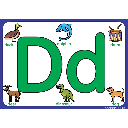

Disposable
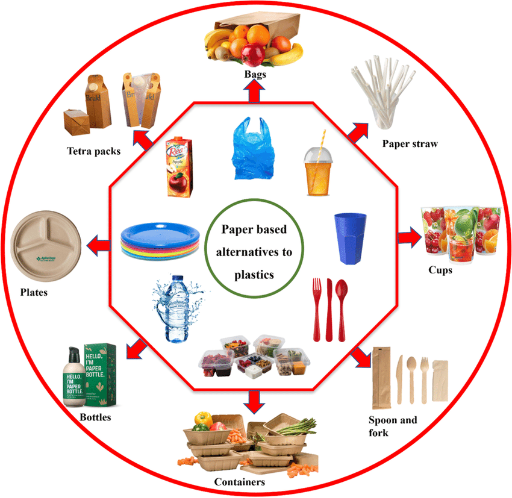
This term is used to describe a product that can be bought cheaply and is meant to be thrown away after use. The market no longer offers disposable plastic bags at checkout. However, not all these items decompose easily, which led to an overabundance of trash in the world. Plastic bags start out as fossil fuels and end up as deadly waste in landfills and the ocean. Birds often mistake shredded plastic bags for food, filling their stomachs with toxic debris. For hungry sea turtles, it's nearly impossible to distinguish between jellyfish and floating plastic shopping bags.


Endangered Animals
and Circular Economy
Habitat loss is the primary cause of higher extinction rates. Other causes include habitat changes, over-exploitation of wildlife for commercial purposes, the introduction of harmful nonnative species, pollution, and the spread of diseases.
Circular economy is oriented to nature as its role model. In essence, the concept of the circular economy aims to keep raw materials in a closed loop. In this way, resources are maximally used, the need for new ones is reduced, waste is avoided and the life cycle of products is increased. In short, the waste of today becomes the raw material of tomorrow - the same as in nature.

Fossil Fuels
For more than a century, burning fossil fuels has generated most of the energy required to propel our cars, power our businesses, and keep the lights on in our homes. Even today, oil, coal, and gas serve about 80 percent of our energy needs.
And we’re paying the price.
Coal, crude oil, and natural gas are all considered fossil fuels because they were formed from the fossilized, buried remains of plants and animals that lived millions of years ago. Because of their origins, fossil fuels have a high carbon content.


Global warming is the long-term heating of Earth's surface observed since the pre-industrial period (between 1850 and 1900) due to human activities, primarily fossil fuel burning, which increases heat-trapping greenhouse gas levels in Earth's atmosphere. In common usage, climate change describes global warming—the ongoing increase in global average temperature—and its effects on Earth's climate system. Climate change in a broader sense also includes previous long-term changes to Earth's climate.
Global Warming
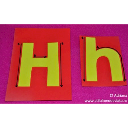

Hydroelectric Energy
Hydroelectric energy uses the movement of water to generate electricity. Together with solar energy and wind energy are called renewable energies because they are abundant in nature and can be regenerated or replenished again and again. These will never be extinct even with their excessive use.


Invasive Species
Invasive species are animals or plants from another region of the world that don't belong in their new environment. They can be introduced to an area by ship ballast water, accidental release, and most often, by people. This can be very dangerous for a habitat by eating the local animals or by eating all the food of the local animals.


Jungle
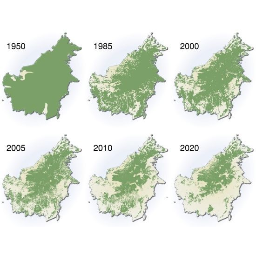
Jungles and forests are a key environment in the world. Not only it is the home of thousands of species but its plants provide clean oxygen for us to breathe.However, deforestation is destroying these places, about 18 million acres of forest are lost every year. This leads to an increase in carbon dioxide gases. What difference can you see in the pictures with the Amazon Jungle?


Kids
Even as a kid you can do your part to help the environment:
1.To help slow down the climate changes, ask your parents to help you plant a tree, to drive less and try reduce paper usage.
2.To save natural resources try use less water, less electricity and don't throw your food!
3.Use less plastic by reusing water bottles, reusing grocery bags and recycling plastic.
4.Don't destroy your toys and learn how to repair them.
Can you think of any other ways to help?
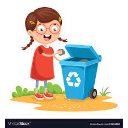
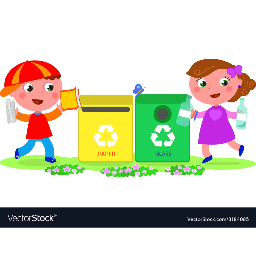

Litter and Leftovers
Leftovers is most often used to describe extra food that gets saved and eaten later. You take them home from a restaurant in a "doggie bag," even if you don't have a pet. But this word can also refer to nonfood items that remain after an event. If you buy 100 sparklers for July Fourth, but you and your friends only light 76 of them, the remaining 26 are the leftovers. Litter is small pieces of rubbish that have been left lying on the ground in public places. About two percent of fast-food packaging ends up as litter.
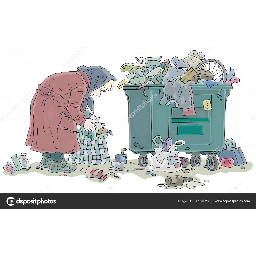

Marine pollution is a combination of chemicals and trash, most of which comes from land sources and is washed or blown into the ocean. This pollution results in damage to the environment, to the health of all organisms, and to economic structures worldwide.Pollutants in the ocean make their way back to humans. Small organisms ingest toxins and are eaten by larger predators, many of which are seafood that we eventually eat.
Marine Pollution

Nonrenewable Resources
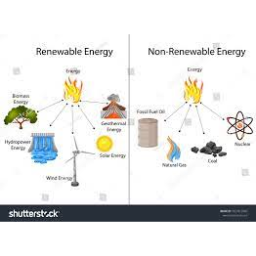
There are four major types of nonrenewable resources: oil, natural gas, coal, and nuclear energy. Oil, natural gas, and coal are collectively called fossil fuels. A nonrenewable source is one that cannot be replaced once we run out.This is why it is very important to find alternative sources. Can you identify which are nonrenewable in the picture?

Overpopulation
Overpopulation is the state whereby the human population rises to an extent exceeding the carrying capacity of the ecological setting. In an overpopulated environment, the numbers of people might be more than the available essential materials for survival such as transport, water, shelter, food or social amenities.
Pollution
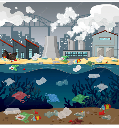
Pollution is the introduction of harmful materials into the environment. These harmful materials are called pollutants. Pollutants can be natural, such as volcanic ash. They can also be created by human activity, such as trash or runoff produced by factories. Pollutants damage the quality of air, water, and land.


Quality Education
Education liberates the intellect, unlocks the imagination and is fundamental for self-respect. It is the key to prosperity and opens a world of opportunities, making it possible for each of us to contribute to a progressive, healthy society. Learning benefits every human being and should be available to all. For this, we should question our impact upon nature: think about what we use, do, throw away and see if there is a better option.Did you turn off the lights when you left the room? Could that bottle you threw away be recycled?

Reuse, Reduce, Recycle
The 3 'R's – Reduce, Reuse, Recycle – are all about minimising the amount of waste we produce, reusing products as much as we can, and remembering to recycle any materials that can be used for a new purpose.

Solar power
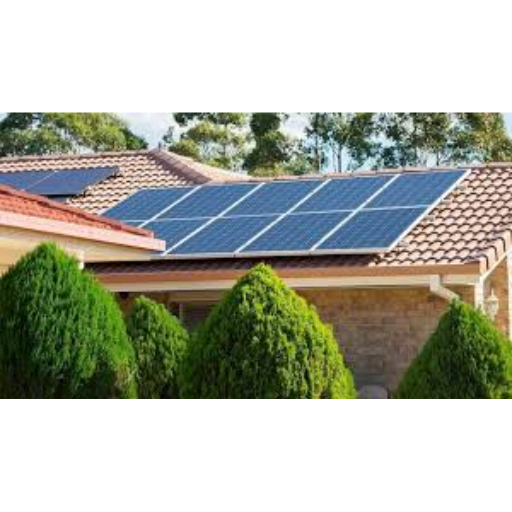
Solar power is the conversion of energy from sunlight into electricity, either directly using photovoltaics (PV) or indirectly using concentrated solar power. Concentrated solar power systems use lenses or mirrors and solar tracking systems to focus a large area of sunlight to a hot spot, often to drive a steam turbine.

Toxic waste
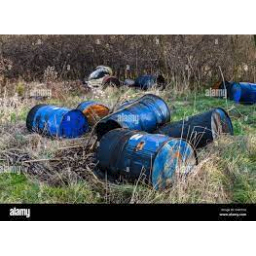
Toxic waste is any unwanted material in all forms that can cause harm (e.g. by being inhaled, swallowed, or absorbed through the skin). It can harm people, animals, and plants, whether it ends up in the ground, in streams, or even in the air.

Unique Environments
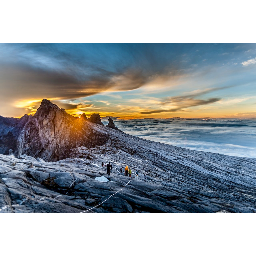
The Earth is filled with different environments, all equally unique. There are oceans, seas, mountains, jungles, deserts, islands. Some places are dry, others are wet, some are hot others are cold. Be aware of the beautiful places of our earth!

Vulnerable
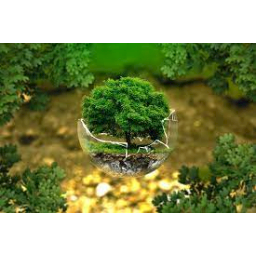
Nature is vulnerable to change as a result of climate changes. But, this is out of ordinary and it affects both plants and animals that live in that specific area.

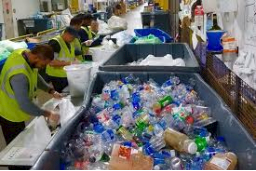
Waste management refers to the processes involved in managing waste from cradle to grave. This includes the collection, transportation, disposal/recycling and monitoring of waste materials produced as a result of human activity.
Waste Management

Xeriscaping is landscaping with minimal or no use of water other than what nature provides
The primary benefit of xeriscaping is the most obvious: reducing water use. Water scarcity is among the most pressing global crises, with some 40% of people around the world lacking access to safe and affordable drinking water

You and the environment
Becoming more eco-friendly will allow you to preserve the planet for future generations, limit your exposure to harmful substances and make informed decisions.

Zero Waste Living
Zero waste is a movement that has gained popularity in recent years as people strive to reduce the amount of trash they generate through everyday consumption. The ultimate goal is to produce no trash whatsoever, but as that's challenging in today's world, zero waste can also refer to individual, standalone efforts to replace disposable products with reusable ones.
- < BEGINNING
- END >
-
DOWNLOAD
-
LIKE(2)
-
COMMENT()
-
SHARE
-
BUY THIS BOOK
(from $6.19+) -
BUY THIS BOOK
(from $6.19+) - DOWNLOAD
- LIKE (2)
- COMMENT ()
- SHARE
- Report
-
BUY
-
LIKE(2)
-
COMMENT()
-
SHARE
- Excessive Violence
- Harassment
- Offensive Pictures
- Spelling & Grammar Errors
- Unfinished
- Other Problem





COMMENTS
Click 'X' to report any negative comments. Thanks!