
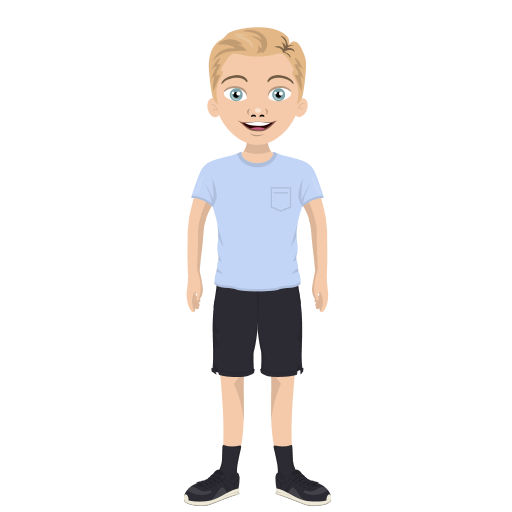
Cohen is five years old, and he has been learning to read! Each day, his sisters, Camille and Coralie, teach him letters, sounds, and words. On Monday, he grabbed his favorite book, Goodnight, Goodnight, Construction Site, but he didn't know all of the words. He ran to find his sisters.

1
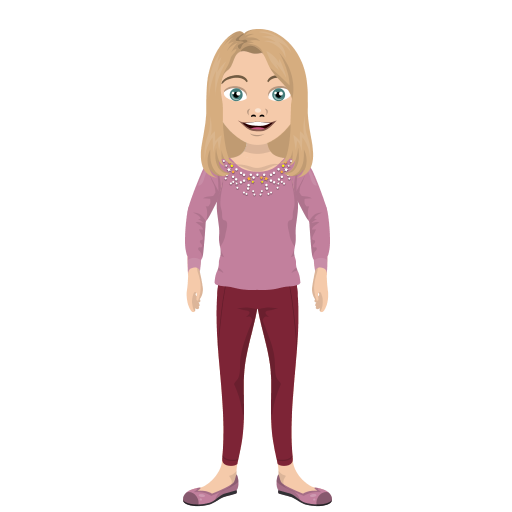
"It's okay, Cohen!" said Camille. "We just need to work on your fluency."
"Exactly," agreed Coralie. "Let's start with the surface constructs of fluency."
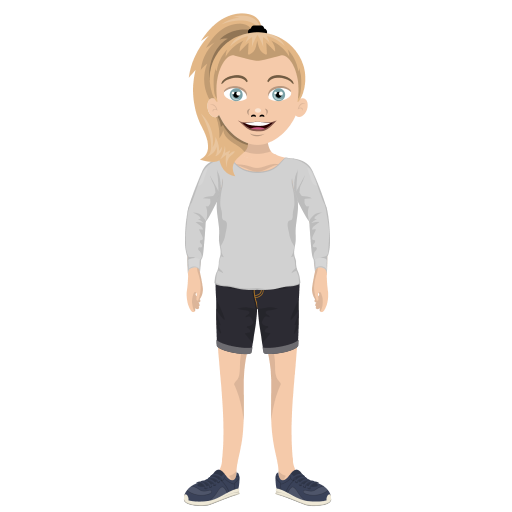
To review the surface constructs, Camille and Coralie first taught Cohen about accuracy.
"Accuracy means understanding how letters and sounds work together. You already do a great job decoding by breaking apart words to sound it out. Let's practice to improve your automaticity," said Camille.
"Yeah!" agreed Coralie. "Soon, you'll be able to just see words and automatically know them." (2)
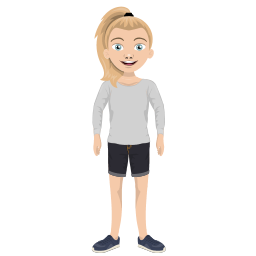
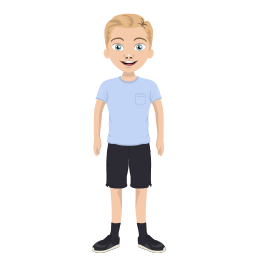
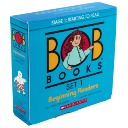
"Okay! I'll start with Book 1 from my Bob Books set," said Cohen. He practiced reading words like Mat, Sam, and sat. He knew some function words, such as on and the, that he memorized, and after some time, he read the whole book on his own! (3)
"Great job, Cohen!" encouraged Camille. "Let's move on to the next skill."
4
"Now that your accuracy has improved, let's work on rate and prosody," said Coralie.
"Prosody? What's that?" questioned Cohen.
"Well," Camille started, "it includes a few different things, like intonation, stress, and phrasing. I think we should start with rate, which is how fast or slow someone reads."
"Yes! Now that you have improved your accuracy, we can work toward reading a little faster," added Coralie. "To improve your rate, you can listen to me read your book."
Coralie read the Bob Book to Cohen to model how fast Cohen should read (5).

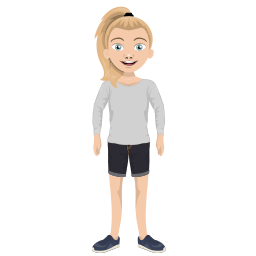
"Great job, Coralie!"exclaimed Camille. "Remember, Cohen, a great reader chooses the right speed by not reading too fast or too slow. You should read at a 'medium' speed like Coralie did." (6)
7
"We should teach Cohen about prosody next," Coralie told Camille.
"Yes!" agreed Camille. "Cohen, like I said before prosody includes intonation, stress, and phrasing." (8)
"I don't know those words, Mille!" cried Cohen.
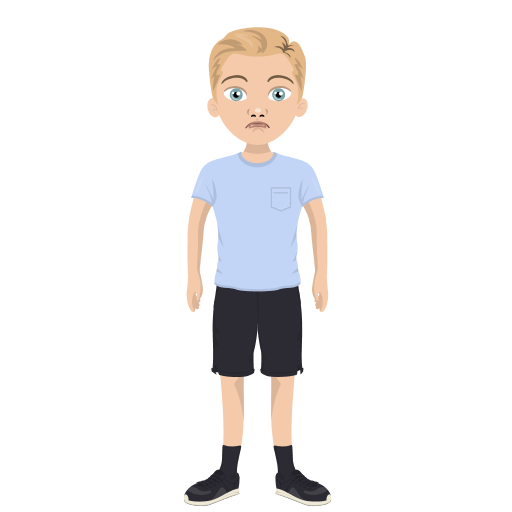
"That's okay! Intonation means changing our pitch as we speak, or adding emphasis to certain words. This morning, when I said 'Mom, I didn't eat one of the cookies!', my pitch changed on the word "I" to tell her that it was you, not me! You also change your pitch when you have a question, or an exclamation," explained Coralie. (9)
"Oh! Well, what's stress then?" Cohen replied.
"Mom! I didn't eat the cookie!" sounds different than "Mom! I didn't eat the cookie!" or "Mom! I didn't eat the cookie!"

"Stress is adding emphasis to certain syllables. Our dog Jasper's name would sound weird if we added the emphasis on 'per' instead of 'Jas" when we speak," Camille told him. (10)
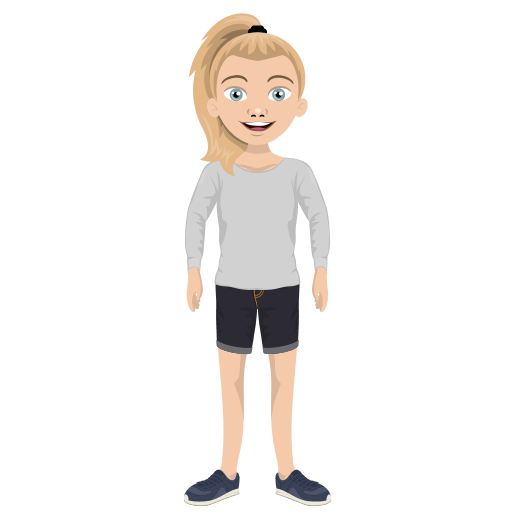

"Finally, I'll teach you about phrasing," said Coralie.
"Yay!" screamed Cohen.
"Phrasing means that we can read smoothly, adding pauses at commas and periods and saying certain groups of words together," she defined. "We can also add rhythm to our sentences when we read to have a nice flow." (11)
"Now that I know all about fluency, what's next?" asked Cohen.
"Hold on, Cohen. Those were only the surface constructs! We haven't gotten to the deep constructs of fluency yet!" Camille told him, smiling, and she walked to another part of the park.
"Oh, no! Do we have to learn that?" he complained.
Coralie explained to him that this involved comprehension and vocabulary, so it might be even more important!
"Basically, Cohen, you should be able to understand what you are reading while you are reading," she stated. (12)

After lunch, the girls decided to test Cohen's fluency by using three different strategies. First, they tried repeated reading to increase Cohen's fluency skills. He read and reread his book Goodnight, Goodnight, Construction Site until he showed improvement in accuracy, rate, and prosody. (13)


"Alright, I think we should try reader's theater next," Camille said to her siblings. "Coralie and I will demonstrate first with Brown Bear, Brown Bear, What Do You See? to show you how it works. Then, we can work on another book."
Camille wrote a script, and she and Coralie acted out each animal.



Then, Cohen, Coralie, and Camille wrote a script for his Goodnight, Goodnight, Construction Site. They played different characters and performed for Mom and Dad. They used different voices for each character, changed their tone, and used emotions for effect. (14)

"Wow!" cried Camille. "Your fluency is really improving Cohen! I think we should try just one more activity - choral reading."
"Good idea!" agreed Coralie. "Cohen, choral reading is when we all read together, so you will work on prosody, accuracy, and the other fluency markers by matching what Camille and I say and the way we say it." (15)
- Full access to our public library
- Save favorite books
- Interact with authors
- < BEGINNING
- END >
-
DOWNLOAD
-
LIKE
-
COMMENT()
-
SHARE
-
SAVE
-
BUY THIS BOOK
(from $5.19+) -
BUY THIS BOOK
(from $5.19+) - DOWNLOAD
- LIKE
- COMMENT ()
- SHARE
- SAVE
- Report
-
BUY
-
LIKE
-
COMMENT()
-
SHARE
- Excessive Violence
- Harassment
- Offensive Pictures
- Spelling & Grammar Errors
- Unfinished
- Other Problem





COMMENTS
Click 'X' to report any negative comments. Thanks!