To all the curious young minds who find wonder in the smallest creatures, this book is dedicated to you. May it ignite your fascination with insects and inspire a lifelong love for the natural world.

🦋 TABLE OF CONTENTS 🦋
Introduction: Taxonomy and Class Insecta
Chapter One: Notable Types Under Class Insecta
Buzzing Bees : Nature's Super Pollinators 🐝
Butterflies: A Dance of Colors 🦋
Busy Ants: Masters of Cooperation 🐜
Beetles: Nature's Armor-Clad Warriors 🪲
Chapter Two: Metamorphosis
Glossary
Fun Insect Facts
Quick Quiz

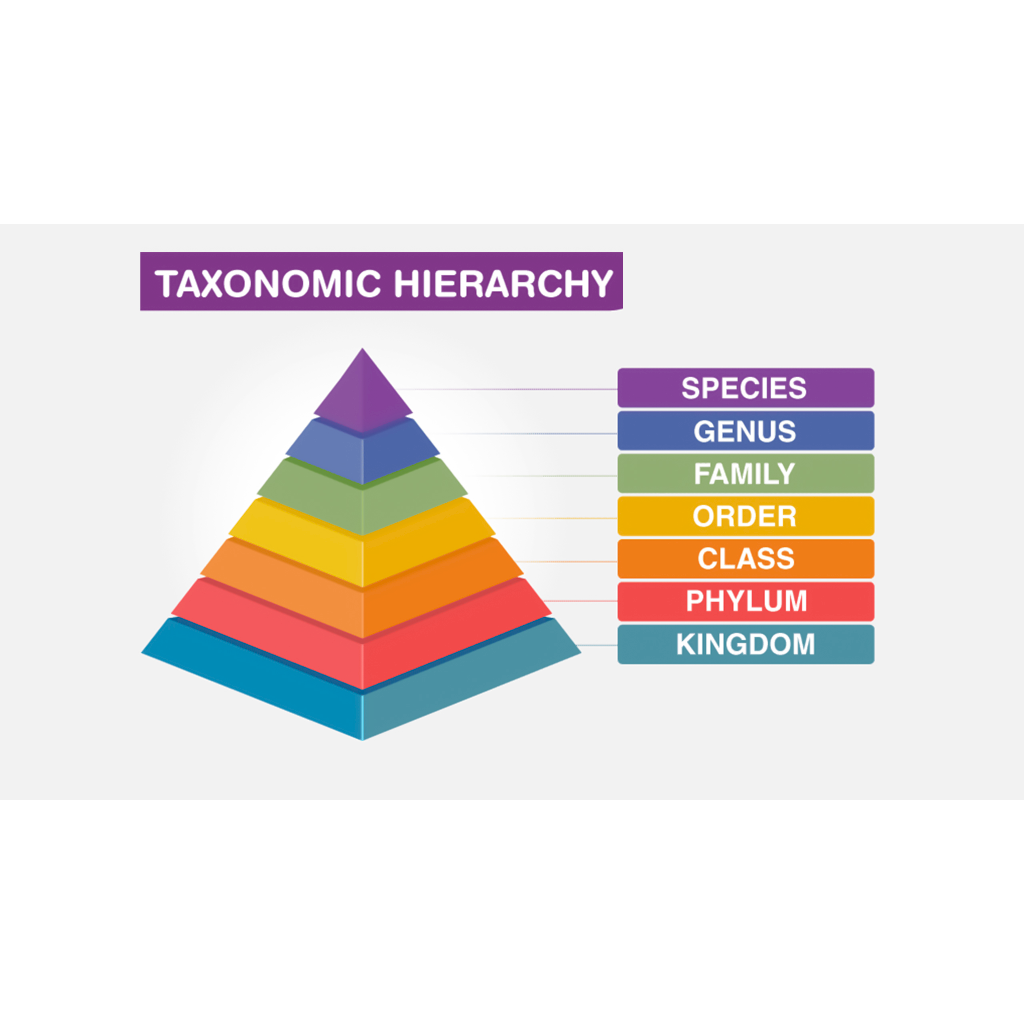
Taxonomy and Insects
Taxonomy, derived from the Greek words "taxis" meaning arrangement and "nomos" meaning law, is the science of classifying and organizing living organisms into different groups based on their shared characteristics.
The scientific name, in italics tells us the Genus and Species. At the highest level, we have domains, which are the largest groups with shared characteristics. There are THREE domains: Archaea, Bacteria, and Eucarya. Archaea and Bacteria consist of single-celled microorganisms, while Eucarya encompasses all the organisms we can see with our naked eyes. And it is within the domain Eucarya that we find the fascinating world of insects. To officially be considered an insect, an animal must belong to the class Insecta. This class falls within the animal kingdom, known as Kingdom Animalia and the phylum known as phylum Arthropoda, group that includes creatures with jointed legs and segmented bodies.
Buzzing Bees: Nature's Super Pollinators 🐝
Welcome to the buzzing world of bees, where diligent workers and sweet nectar come together to create a symphony of life. To truly appreciate these remarkable creatures, let's begin by understanding their place in the grand scheme of taxonomy.
Bees belong to the order Hymenoptera, a diverse group of insects that includes ants, wasps, and bees. Among the thousands of bee species, one of the most well-known and beloved is the Western honey bee (Apis mellifera). These industrious creatures are renowned for their remarkable honey production, intricate social structures, and vital role as pollinators in ecosystems worldwide.

Hi, I am a Western Honey Bee and I live in a HIVE.
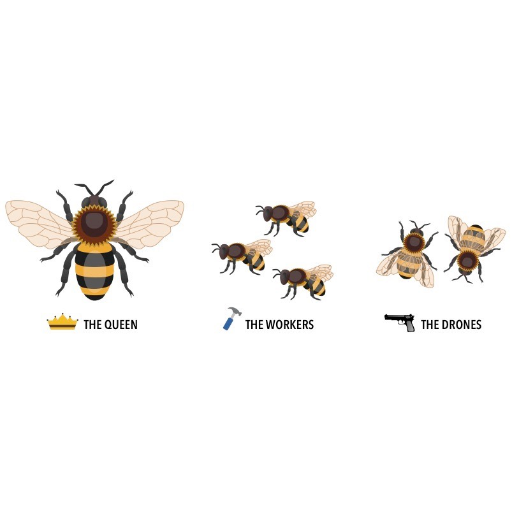
I am delighted to introduce you to my extraordinary world. Living in large colonies, we honey bees are known for our intricate social structures. Within our community, there is a division of labor and specific roles for each member. From the industrious worker bees that gather nectar and pollen, to the devoted drones that play a vital role in reproduction, and the remarkable queen who leads and ensures the survival of our colony, we work together harmoniously. Our ability to communicate through complex dances, known as the "waggle dance," is a marvel of nature. This dance language allows us to efficiently exploit floral resources and ensure the survival of our colony.
While we are renowned for our honey production, our role as pollinators is equally crucial. As we collect nectar from flowers, we unintentionally transfer pollen grains from one flower to another, enabling the fertilization and reproduction of countless plant species.
If you ever come across our meticulously constructed hive, you will find a bustling community filled with activity. Our hexagonal wax cells serve as nurseries for our developing brood and storage for our precious honey and pollen provisions. The hive is a sanctuary of warmth, cooperation, and resilience, as we work tirelessly to ensure the survival and growth of our colony.
BEE GALLERY
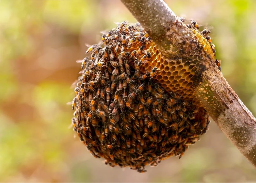
beehive
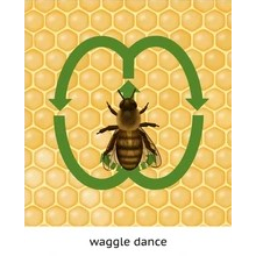
waggle dance
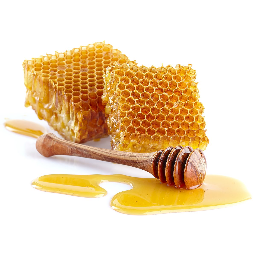
honey
Butterflies: A Dance of Colors 🦋
Welcome to the enchanting world of butterflies, where vibrant colors and graceful flight weave tales of beauty and transformation.
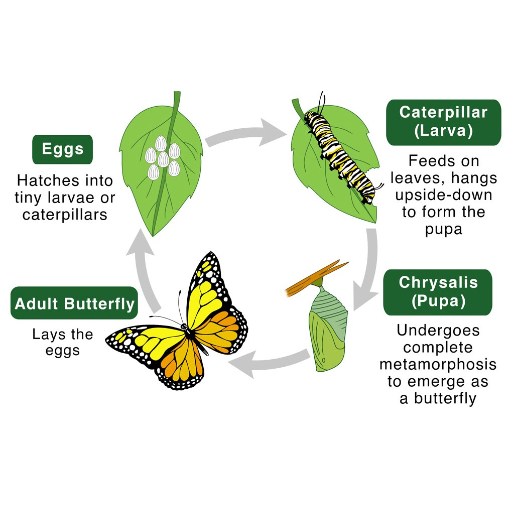
Butterflies, like moths, belong to the order Lepidoptera. Among the numerous butterfly species, one of the most cherished and admired is the Monarch butterfly (Danaus plexippus). These magnificent creatures are known for their mesmerizing migration, spanning thousands of kilometers, as they journey to warmer climates for the winter. Their vibrant orange and black wings captivate the imagination, while their life cycle, from egg to caterpillar to chrysalis and finally to the emergence of a glorious butterfly, symbolizes the awe-inspiring process of metamorphosis.
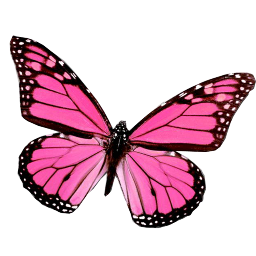
Hi, I am a Monarch Butterfly and I live in trees, usually MILKWEED.
I am here to share the extraordinary story of my kind. As one of the most iconic and captivating butterflies, we Monarchs captivate the hearts and imaginations of people worldwide.
Our epic migration is one of the most awe-inspiring feats in the natural world. Every year, we embark on a journey, spanning thousands of kilometers, from our breeding grounds to overwintering sites. This incredible migration showcases our resilience, determination, and the profound interconnectedness of the natural world.
From the delicate egg, we emerge as ravenous caterpillars, voraciously consuming milkweed leaves, which also provide us with a chemical defense against predators. We then transform into mesmerizing chrysalides, undergoing a remarkable metamorphosis before emerging as magnificent butterflies.
Our presence as pollinators is vital for the survival of countless plant species. As we fly gracefully from flower to flower, sipping nectar, we inadvertently transfer pollen, enabling the fertilization and reproduction of plants. Through our essential role in pollination, we contribute to the delicate balance of ecosystems and the preservation of biodiversity.
BUTTERFLY GALLERY
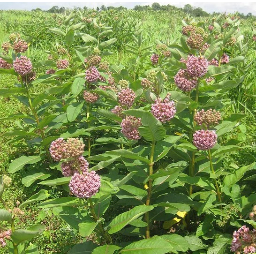
milkweed
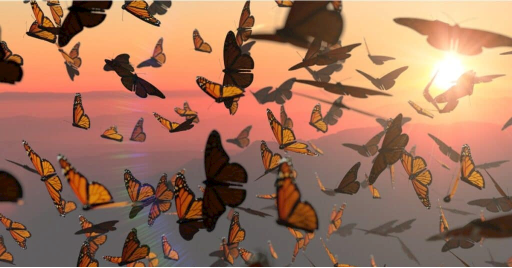
butterflies migrating

Busy Ants: Masters of Cooperation 🐜
Welcome to the bustling world of ants. Ants, like bees, belong to the order Hymenoptera. Among the vast array of ant species, one of the most well-known and respected is the Black garden ant (Lasius niger). These diligent creatures are renowned for their intricate tunneling systems, efficient foraging strategies, and elaborate social organization.
Ant colonies function as highly coordinated societies, with distinct roles for each member. From the industrious worker ants that gather food and build nests, to the robust soldier ants that protect the colony, and the queen who ensures the survival and growth of the population, ants exemplify the power of cooperation and division of labor.
Ants play a vital role in ecosystems as seed dispersers, soil aerators, and predators of various insects. Their foraging activities contribute to the decomposition of organic matter, nutrient recycling, and the maintenance of ecological balance.
Hi, I am a Black Garden Ant and I like to build my NESTS UNDERGROUND, or in DECAYING WOOD or CRACKS in WALLS.
As one of the most common ant species, we Black Garden Ants play a vital role in ecosystems and have adapted to thrive in various habitats. Let me share a glimpse into our remarkable lives. Found in gardens, parks, and woodlands, we are known for our intricate underground colonies. These bustling communities are composed of worker ants, queens, and even fierce soldiers that protect our nests from intruders.
Our social structure is highly organized, with each ant having a specific role to fulfill. The workers are the backbone of our society, tirelessly foraging for food, caring for the young, and maintaining the nest. The queens, on the other hand, are responsible for reproduction, laying thousands of eggs to ensure the continuity of our colony while the soldiers protect the colony.
As omnivores, we have a diverse diet. We scavenge for sweet substances like nectar and honeydew, but also feast on small insects and other invertebrates. Our foraging trails can stretch long distances, as we communicate using chemical signals called pheromones to guide fellow ants to food sources.
Our nests are intricate marvels, built deep underground, beneath stones, or in decaying wood. Using a combination of soil particles and plant material, we construct elaborate tunnels and chambers that provide protection and regulate temperature and humidity.
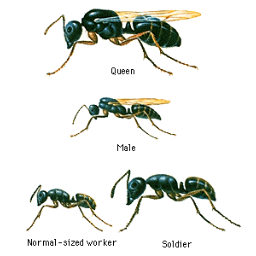
ANT GALLERY
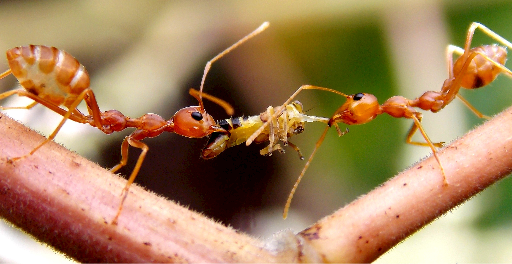
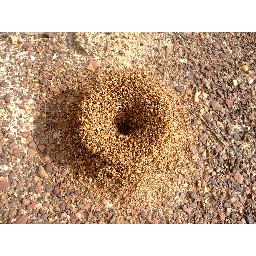
ant nest / anthill
ants transporting food
Beetles: Nature's Armor-Clad Warriors 🪲
Welcome to the fascinating world of beetles. Beetles belong to the order Coleoptera, which is the largest order of insects and encompasses an astonishing number of species.
Among the vast array of beetle species, one of the most diverse and fascinating is the ladybird beetle, also known as the ladybug or lady beetle (Coccinellidae family).
Beetles exhibit an incredible range of sizes, shapes, and ecological roles. From the imposing stag beetles with their impressive mandibles to the jewel beetles that dazzle with their brilliant colors, the world of beetles has a lot to offer.
Beetles play a vital role in ecosystems as decomposers, pollinators, and predators. Some species feed on decaying organic matter, aiding the recycling of nutrients in the environment. Others are important pollinator. Additionally, beetles contribute to pest control by preying on other insects that may be harmful to crops and plants.
Hi, I am a Seven Spotted Ladybug and I live TREES.
As one of the most recognizable and beloved beetle species, we captivate the hearts of people worldwide. Let me introduce you to the wonders of our tiny but remarkable lives.
We are often known as ladybirds or ladybugs, and our appearance varies slightly between individuals. Our bright colors serve as a warning to potential predators, signaling that we possess a potent chemical defense.
Our appetite allows us to feed on large numbers of animals, making us valuable allies in maintaining the health and balance of gardens and agricultural ecosystems.
Our life begins with tiny yellow eggs, which are usually laid near a colony of prey. After hatching, we enter the larval stage. As larvae, we have long bodies with distinct black and orange markings.
Once we have reached full size, we enter the pupal stage, during which we undergo a remarkable transformation inside a protective pupal case. After a period of
development, we emerge as fully formed adult ladybirds, ready to continue our predatory activities.
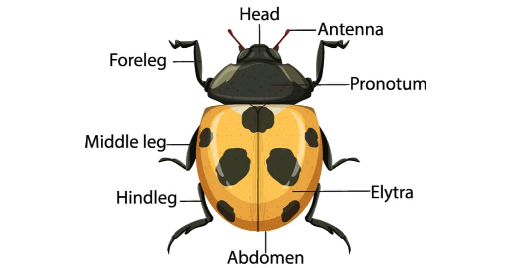
BEETLE GALLERY

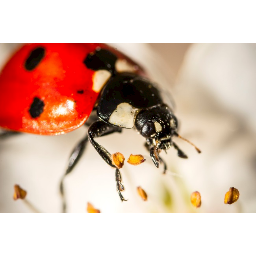
beetle eggs
mandible (under antenna)

- Full access to our public library
- Save favorite books
- Interact with authors
- < BEGINNING
- END >
-
DOWNLOAD
-
LIKE
-
COMMENT()
-
SHARE
-
SAVE
-
BUY THIS BOOK
(from $8.79+) -
BUY THIS BOOK
(from $8.79+) - DOWNLOAD
- LIKE
- COMMENT ()
- SHARE
- SAVE
- Report
-
BUY
-
LIKE
-
COMMENT()
-
SHARE
- Excessive Violence
- Harassment
- Offensive Pictures
- Spelling & Grammar Errors
- Unfinished
- Other Problem






COMMENTS
Click 'X' to report any negative comments. Thanks!