This book is dedicated to those who marvel at the wonders of the human body and seek to unravel its mysteries.

Table of Contents:
Chapter One: The Mouth: Where It All Begins
Chapter Two: The Esophagus: The Food Slide
Chapter Three: The Stomach: The Mighty Mixing Machine
Chapter Four: The Small Intestine: The Nutrient Highway
Chapter Five: The Liver and Gallbladder: The Detox Duo
Chapter Six: The Pancreas: The Enzyme Factory
Chapter Seven: The Large Intestine: The Water Absorber
Chapter Eight: The Rectum and Anus: The Exit Strategy
Conclusion: A Harmonious Journey
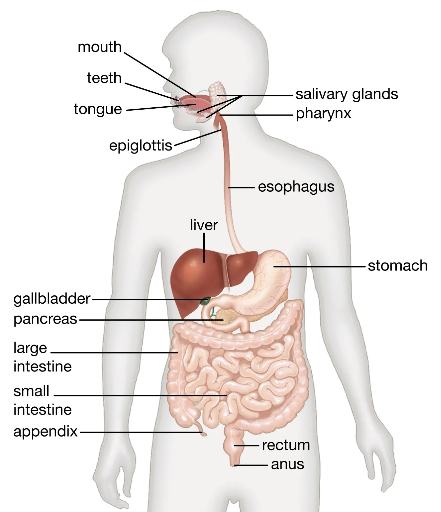
Your mouth is an extraordinary place where the journey of food through your body begins. As you take a bite of your favorite snack, your teeth come into action. They chew and grind the food, breaking it down into smaller, more manageable pieces. Your tongue helps in this process, pushing the food around your mouth and mixing it with saliva.
Chapter One: The Mouth: Where It All Begins
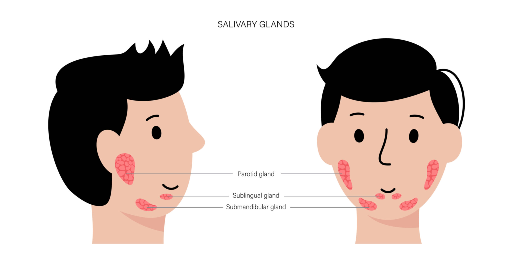
Ah, saliva! It may seem like a simple liquid, but it plays a vital role in digestion. It contains special enzymes called amylases that begin the breakdown of carbohydrates right in your mouth. So, even before you swallow, digestion is already underway!
But what happens next? How does the food get from your mouth to your stomach? That's where the esophagus comes in.
Deep inside your body, a slippery tube called the esophagus awaits the arrival of the food. With the help of gravity and the amazing muscles lining its walls, the esophagus guides the food downward, like a thrilling slide in a theme park.
Chapter Two: The Esophagus: The Food Slide
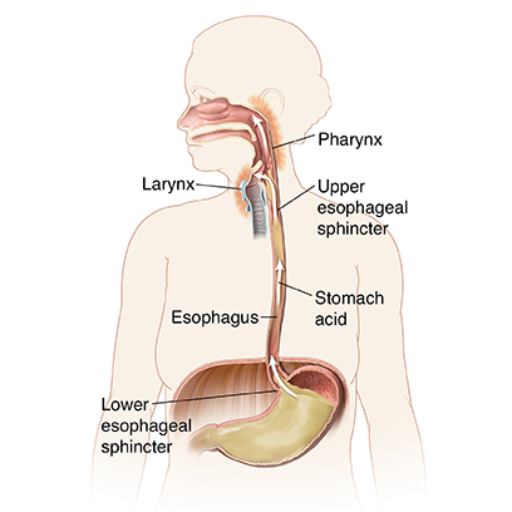
But here's the twist: Have you ever noticed how you can eat and drink while standing upright or even upside down without choking?
Well, that's thanks to a fantastic muscular ring called the lower esophageal sphincter. It opens up just for a moment, allowing food to pass into the stomach, and then tightly closes to prevent any back flow.
Chapter Three: The Stomach: The Mighty Mixing Machine
As the food slides through the esophagus we enter the stomach – a muscular sac that's always ready for action. Welcome to the stomach!
Inside this incredible organ, the food encounters an environment like no other. Gastric juices, including hydrochloric acid, are secreted, transforming the chewed food into a semi-liquid mixture called chyme. These juices also play an important role in killing bacteria that might have hitched a ride with your meal.
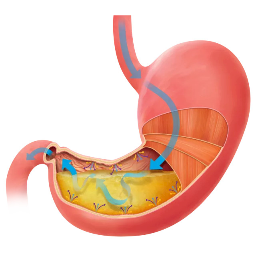
But the stomach's work doesn't end there. It's also a mighty mixing machine, churning and swirling the chyme with its powerful muscles.
This blending action ensures that the food particles mix thoroughly with the gastric juices, enabling efficient digestion.
churning
Gastric juices are special substances produced by the stomach that help break down the food they eat. These juices contain different components that play important roles in the digestion process.
From the stomach, our journey continues into the small intestine – a long tube filled with wonders. It's here that the majority of digestion and nutrient absorption take place.
As the chyme enters the small intestine, it encounters the first part called the duodenum. This is where the magic happens! The pancreas and liver join forces to assist in the digestive process. The pancreas releases powerful enzymes that break down carbohydrates, proteins, and fats into their smallest building blocks.
Chapter Four: The Small Intestine: The Nutrient Highway
Meanwhile, the liver produces bile, a yellowish-green substance stored in the gallbladder. When fat enters the small intestine, the gallbladder releases bile, which helps break down fats into tiny droplets, making them easier to digest.
But how do nutrients actually get absorbed? That's where the small intestine's remarkable surface area comes into play. It's lined with millions of tiny finger-like projections called villi and microvilli. They increase the surface area of the intestine, allowing for maximum absorption of nutrients into the bloodstream.
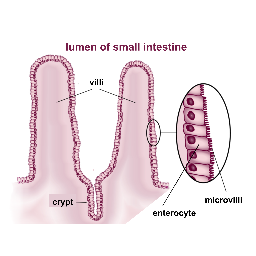
Lumen is the open space in a straw like structure.
Chapter Five: The Liver and Gallbladder: The Detox Duo
While we're exploring the small intestine, let's take a quick detour to learn more about two remarkable organs: the liver and gallbladder. Although they don't directly participate in the digestive process, they play vital roles in keeping everything running smoothly.
The liver is like a brilliant chemist, responsible for detoxifying harmful substances, storing vitamins and minerals, and regulating blood sugar levels. It produces bile, which is then stored in the gallbladder. Whenever the small intestine needs bile to aid fat digestion, the gallbladder squeezes out just the right amount.
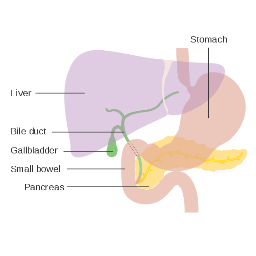
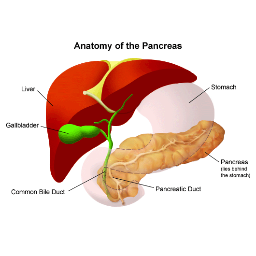
On our detour, we come across another impressive organ: the pancreas. This incredible gland pulls double duty, acting as both an endocrine and exocrine organ.
Chapter Six: The Pancreas: The Enzyme Factory
As an exocrine gland, the pancreas releases powerful digestive enzymes into the small intestine. These enzymes, including amylase, lipase, and proteases, break down carbohydrates, fats, and proteins, respectively, into their simplest forms. They ensure that nutrients are fully accessible for absorption.
But the pancreas has another important role. As an endocrine gland, it produces insulin, a hormone essential for regulating blood sugar levels. Insulin helps cells throughout your body absorb glucose from the bloodstream, ensuring your energy levels stay balanced.
Chapter Seven: The Large Intestine: The Water Absorber
Returning to the path, our journey now takes us to the large intestine. This is the final stretch where water absorption and the last stages of digestion occur.
The large intestine may not seem as long as the small intestine, but it plays a crucial role. It's home to trillions of good bacteria that help ferment indigestible fibers and produce vitamins, such as vitamin K and some B vitamins. These friendly microbes maintain a healthy gut environment and promote overall digestive well-being.
The large intestine's main task is to absorb water from the remaining chyme, making the waste material more solid. It also collects any undigested fibers and waste products, forming them into what we call feces.
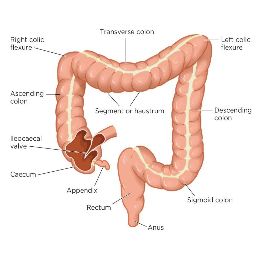
Anatomy of the Long Intestine
Chapter Eight: The Rectum and Anus: The Exit Strategy
Our adventure nears its end as we approach the final stages of digestion. The rectum and anus await, ready to carry out the crucial task of waste elimination.
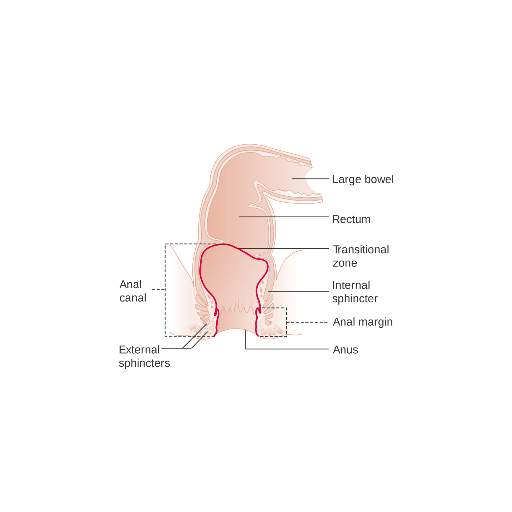
The rectum serves as a temporary storage facility for feces. When it becomes full, the amazing sensory nerves in the rectum send signals to the brain, letting you know it's time for a trip to the restroom.
The anus, with its muscular rings called sphincters, acts as the gatekeeper of waste disposal. It knows just the right time to relax, allowing feces to exit the body, while also ensuring that you have control over the process.
the rectum and anus
And so, dear reader, our incredible adventure through the digestive system comes to an end. We have witnessed the remarkable coordination of organs, enzymes, and processes that work harmoniously to turn the food you eat into the energy your body needs.
FUN FACTS ABOUT YOUR DIGESTIVE SYSTEM
The digestive tract is approximately 30 feet long, making it longer than a school bus!
The hydrochloric acid in your stomach is strong enough to dissolve metal.
You produce about 1 to 2 liters of saliva each day to aid in digestion.
Food can pass through your entire digestive system in as little as 24 to 72 hours.
The lining of your stomach is protected by a layer of mucus that prevents it from being damaged by stomach acid.
Your large intestine is home to trillions of beneficial bacteria that support digestion and your immune system.
Hiccups help to expel trapped air from your stomach, preventing interference with digestion.
Your digestive system is as unique as your fingerprint, with its own distinct characteristics and processes.
GLOSSARY
Amylase: An enzyme found in saliva and that breaks down carbohydrates into simpler sugars.
Anus: The opening at the end of the digestive tract through which poop is eliminated from the body.
Bile: A yellowish-green fluid produced by the liver and stored in the gallbladder. It helps in the digestion and absorption of fats.
Carbohydrates: One of the three macronutrients, along with proteins and fats, that provide energy to the body. They include sugars, starches, and fibers.
Chyme: The semi-liquid mixture of food and gastric juices that forms in the stomach during digestion.
Detoxification: Removal of toxins
Digestion: The process of breaking down food into smaller molecules that can be absorbed by the body.
Enzymes: Proteins that aid with breaking down food into smaller components during digestion.
Esophagus: A tube connecting the mouth to the stomach, through which food passes during swallowing.
Feces: Solid waste material that remains after the digestion and absorption of nutrients in the large intestine (Poop).
Gallbladder: A small organ that stores bile produced by the liver. It releases bile into the small intestine to aid in the digestion of fats.
Gastric Juices: Acidic secretions produced by the stomach that aid in the digestion of food.
Insulin: A hormone produced by the pancreas that regulates blood sugar levels and facilitates the absorption of glucose by cells.
Large Intestine: The final part of the digestive system, responsible for absorbing water and electrolytes from digested food and forming feces.
Liver: A large organ that performs numerous functions: detoxification, production of bile, and metabolism of nutrients.
Microvilli: Tiny projections on the surface of the small intestine that increase its surface area for enhanced nutrient absorption.
- Full access to our public library
- Save favorite books
- Interact with authors
Embark on an Incredible Adventure Through Your Digestive System!
Have you ever wondered what happens to your food after you take a bite? How does it transform into energy that powers your every move? Prepare to be amazed as you embark on an extraordinary journey through "Where Does Your Food Go?"
In this captivating and informative book, you'll delve into the hidden world within you, where organs work harmoniously to break down food, absorb nutrients, and eliminate waste.
- < BEGINNING
- END >
-
DOWNLOAD
-
LIKE(1)
-
COMMENT()
-
SHARE
-
SAVE
-
BUY THIS BOOK
(from $7.99+) -
BUY THIS BOOK
(from $7.99+) - DOWNLOAD
- LIKE (1)
- COMMENT ()
- SHARE
- SAVE
- Report
-
BUY
-
LIKE(1)
-
COMMENT()
-
SHARE
- Excessive Violence
- Harassment
- Offensive Pictures
- Spelling & Grammar Errors
- Unfinished
- Other Problem






COMMENTS
Click 'X' to report any negative comments. Thanks!