" Little Savers".

ZEYNEP ÖZCAN-BURAK REİS PRIMARY SCHOOL-TÜRKİYE-ANKARA
MUSTAFA KEMAL ATATÜRK

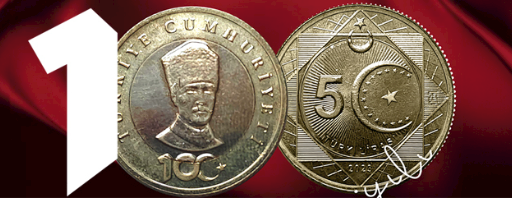
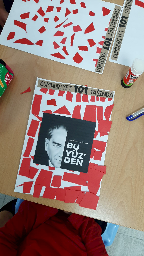
Atatürk was a great leader who loved his country very much. He helped start modern Turkey. He wanted children to go to school and learn. He believed in peace and working together. Today, people still remember him with love and respect.
Greece
Paraskevi Magaliou 25th Kindregarten of Larissa
Sevinç BAKAN- Zübeyde Hanım Kindergarten- TÜRKİYE
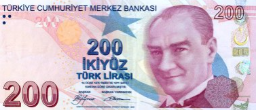
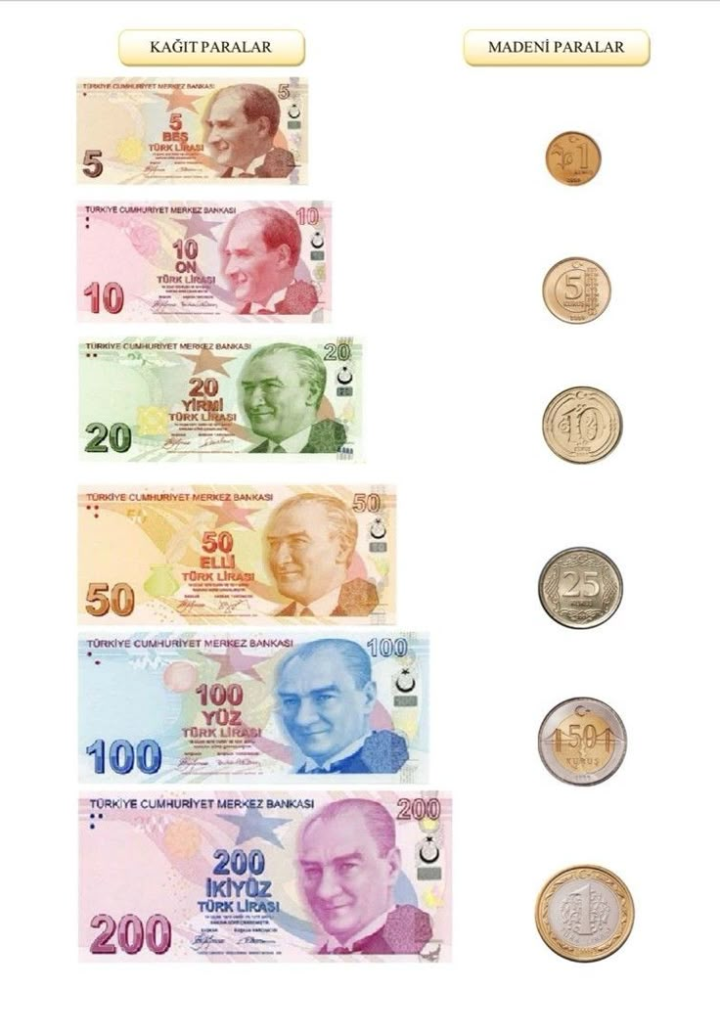
On one side, there is Mustafa Kemal Atatürk, the founder of the Turkish Nation. Atatürk is the savior of our country, the greatest Turk who gave us the independent Turkish homeland. He is our greatest spiritual value that always guides us in our hearts. On the other sides of our money, there are important people for the Turkish Nation.

AYŞE KAYA MEMİŞ- SATIKADIN ANAOKULU- ANKARA/TÜRKİYE
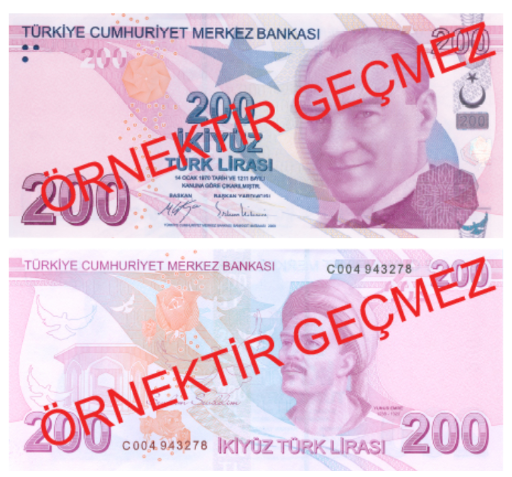
Yunus Emre (1238-1320) - 200 Türk lirası
Bölgedeki en büyük şairlerden biri olan Yunus Emre'nin Anadolu'ya göç eden Türk erkek çocuklarından olduğu ve 1238 yılında doğan kaynaklarda belirtilmektedir.
Medrese eğitimi alan Yunus Emre, Arapça ve Farsça da öğrenilmiş, İran ve Yunan mitolojisine ilgi duymuş ve tasavvuf tarihi üzerine çalışmalar yapmıştır.
Anadolu'da tasavvuf akımının ve Türk şiir dilinin öncüsü olan Yunus Emre; bu sayede çalışmalarda tasavvuf düşüncelerini kolay ve anlaşılır bir dille aktarılabilmiştir.
Ayrıca 1991 yılı UNESCO kararıyla "Yunus Emre Sevgi Yılı" ilan edildi.
MAŁGORZATA PAWLICA -
POLSKA

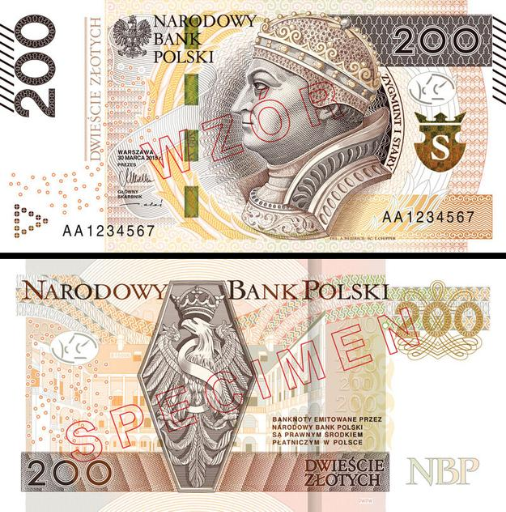
Zygmunt I Stary (1467-1548)
Król Polski i wielki książę litewski z dynastii Jagiellonów. Był piątym synem Kazimierza Jagiellończyka i Elżbiety Rakuszanki. Królem Polski oraz tytułem wielkiego księcia litewskiego został mianowany po roku 1506. Zygmunt Stary okazał się monarchą niezbyt stanowczym, rozrzutnym, ale za to rozmiłowanym w sztuce i w prądach renesansu. To on dokonał przebudowy zamku na Wawelu, której efekty w dużym stopniu można podziwiać do dzisiaj. Wielki wpływ na życie króla Polski, szczególnie w późniejszych latach, wywierała druga żona – przybyła z południa Włoch Bona Sforza. Już za życia króla Zygmunta („vivente rege”) na króla koronowano jego syna i imiennika: Zygmunta Augusta. Decyzja ta, przeforsowana przez monarszą małżonkę w 1530 roku, sprawiła, że ojca zaczęto określać mianem Zygmunta I Starego. Władca zmarł 1 IV 1548 roku w Krakowie i władze objął Zygmunt August.
DOROTA JANUSZEWSKA
POLSKA
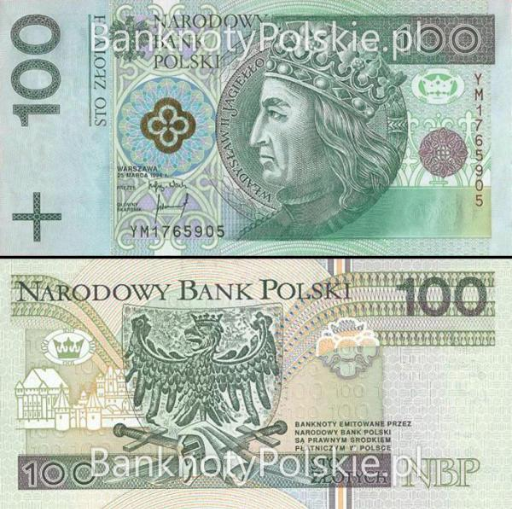
Władysław II Jagiełło ur. ok. 1362 lub ok. 1352, zm. 1 czerwca 1434 w Gródku – król Polski. Założyciel dynastii Jagiellonów. Był najdłużej panującym polskim monarchą. Objął tron wielkoksiążęcy w Wilnie po śmierci ojca w 1377. 14 sierpnia 1385 roku zawarł z Koroną Królestwa Polskiego unię w Krewie, zobowiązując się do przyjęcia chrztu, chrystianizacji Litwy oraz poślubienia królowej polskiej Jadwigi w zamian za tron polski, który objął rok później. Prowadził liczne wojny z Zakonem Krzyżackim w tym wielką wojnę (1409–1411) i dowodził zwycięskimi wojskami polsko-litewskimi w bitwie pod Grunwaldem.
Zoitsa Antonaki
Kindergarten Vennas
GREECE
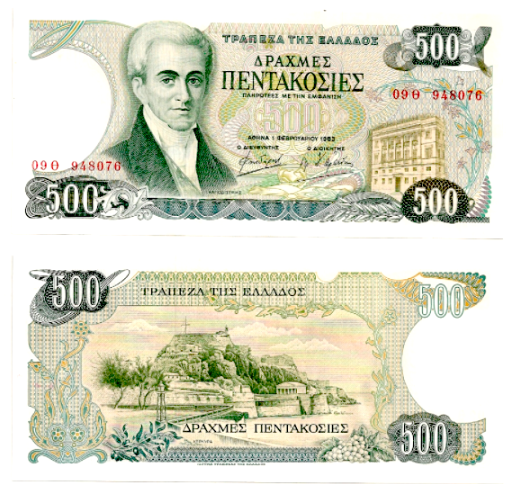
The 500 drachma banknote, which circulated from 1983 until 2002, when the drachma was abolished as the national currency, features on its front side the depiction of Ioannis Kapodistrias (on the left) and the Kapodistrias Mansion (on the right). On the reverse side, it depicts the Old Fortress of Corfu from the location where his statue now stands.
Kapodistrias (1776–1831), a leading figure in modern Greek history, was born in Corfu and distinguished himself as a diplomat in Russia, eventually rising to the position of Minister of Foreign Affairs. In 1827, he was elected the first Governor of Greece. Aiming to rebuild the war-torn country, he established institutions, schools, hospitals, and military academies. His strict policies, however, led to clashes with local interests and ultimately to his assassination in Nafplio in 1831. Nonetheless, his contributions and dedication to Greece remain vivid to this day, with Kapodistrias regarded as a symbol of selfless service and national devotion.

EWELINA WIELGUS
POLSKA
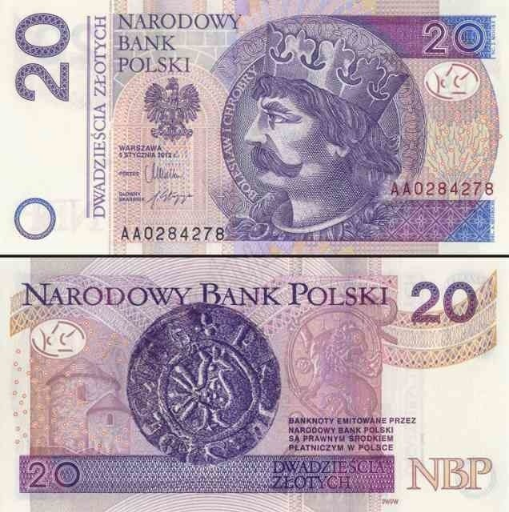
Bolesław Chrobry (967 -1025) był bez wątpienia jedną z najważniejszych postaci w historii naszego kraju. Był on pierwszym królem polski i jednym z najbardziej walecznych, a zarazem efektywnych władców państwa polskiego. Z jego życia Polska zyskała zarówno na rozmiarze jak i na prestiżu. Bolesław Chrobry, znany również jako Bolesław I Wielki, był pierwszym historycznym królem Polski. Urodził się on w 966 roku i zmarł w 1025 roku. Jego imię "Chrobry", oznacza "odważny" lub "dzielny", i choć nie posługiwał się on nim za życia, dobrze oddaje ono charakter tego władcy, który zasłynął ze względu na swoje podboje terytorialne i liczne wojny. Jednocześnie Bolesław Chrobry był też bardzo sprawnym politykiem, który nie tylko poszerzył granice Polski, ale znacząco umocnił pozycję młodego państwa polskiego na arenie międzynarodowej poprzez aktywne wspieranie chrześcijaństwa i strategiczne sojusze.
Maria Ioanna Rigopoulou
52nd Kindergarten of Patras
Greece
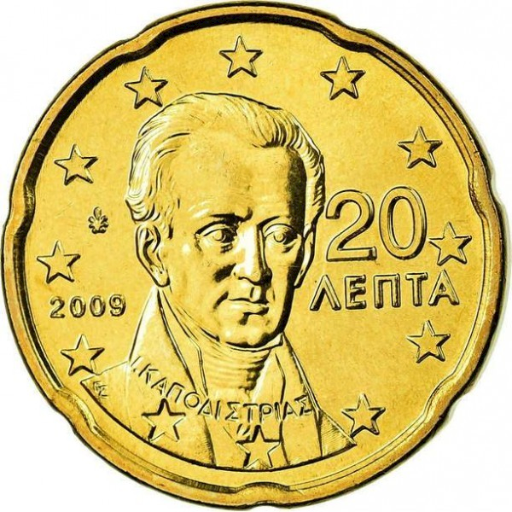
John Capodistrias, was a Greek statesman of 19th-century Europe. Capodistrias' involvement in politics begun as a minister of the Septinsular Republic in the early 19th century. He went on to serve as the foreign minister of the Russian Empire from 1816 until his abdication in 1822, when he became increasingly active in supporting the Greek War of Independence that broke out a year earlier.After a long career in European politics and diplomacy, he was elected as the first head of state of independent Greece at the 1827 Third National Assembly at Troezen and served as the governor of Greece between 1828 and 1831. For his significant contribution during his governance, he is recognised as the founder of the modern Greek state, and the architect of Greek independence.
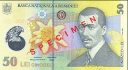
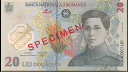
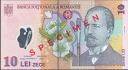
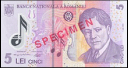
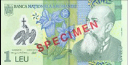
OARGĂ DANIELA
SÂNNICOLAU MARE
ROMÂNIA
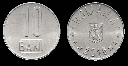
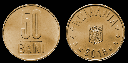
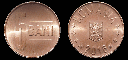
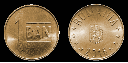
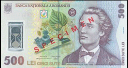
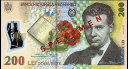
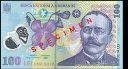
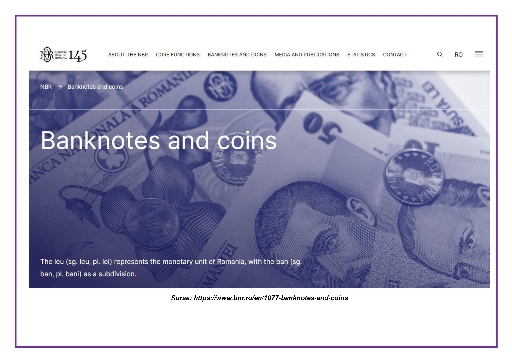
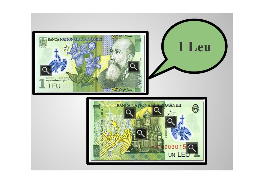
In the past, foreign coins were used in the Romanian Countries: taleri, galbeni, ducati. A Dutch lion coin (leeuwendaalder) was very popular and gave its name to the Romanian "leu". The leu became Romania's official currency in 1867, during the reign of Carol I. 1 leu = 100 bani.
The first coins and banknotes were produced in Romania. Over time, Romania has had 4 major monetary reforms: 1947 - 1 new leu = 20,000 old lei, 1952, 1966, 2005 - 1 new leu = 10.000 old lei
2005 is the year of the denominization of the national currency, which represented the action of reducing the nominal value of monetary signs by cutting four zeros, 10000 old lei becoming 1 new leu, starting July 1, 2005, and the international code of the leu was transformed from ROL to RON. After 1990, Romania started using plastic (polymer) banknotes. They feature cultural personalities: Mihai Eminescu, George Enescu, Lucian Blaga, etc. In 2021, the first banknote with a woman appeared: Ecaterina Teodoroiu, on 20 lei. Romania was the first country in the world to use polymer (plastic) banknotes in 1999.

Romanian limited edition money
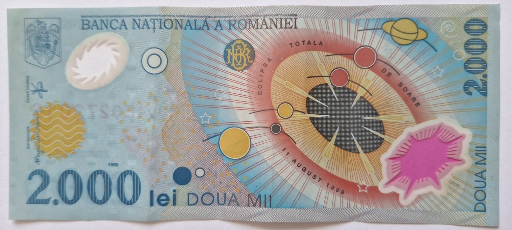
The Romanian National Bank uses to lounch a special limited edition money for special events. This is for the solar eclipse in 1999.
These money are not used anymore, they are just for collection.

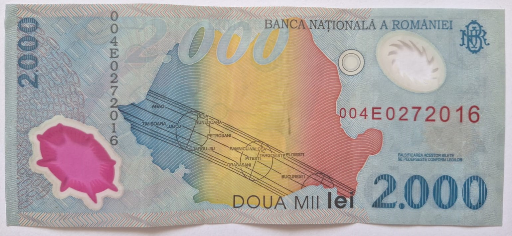
Cristina Antal - Școala Gimnazială Sfântu Ilie, Romania
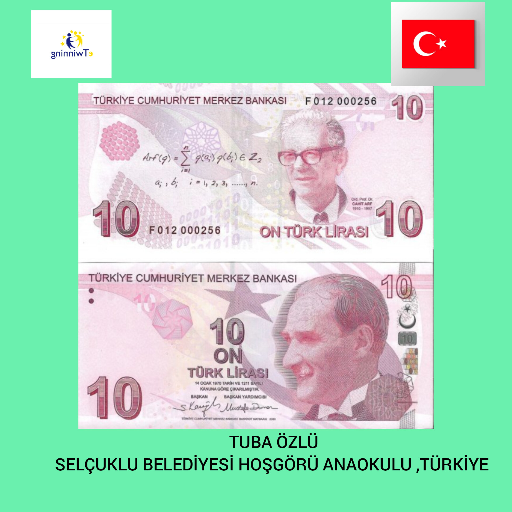
Prof. on the back of the 10 Turkish Lira banknote. Dr. Cahit Arf is present. Prof. Dr. Cahit Arf gained worldwide fame in the field of algebra as a mathematician and scientist.
Mustafa Kemal Atatürk (1881, Thessaloniki - 10 November 1938, Istanbul) was the commander-in-chief of the Turkish War of Independence and the founder and first president of the Republic of Turkey.
Asuman GEDİK TANRIVERDİ
Yeniköy Denizdibi Primary School Kocaeli TÜRKİYE


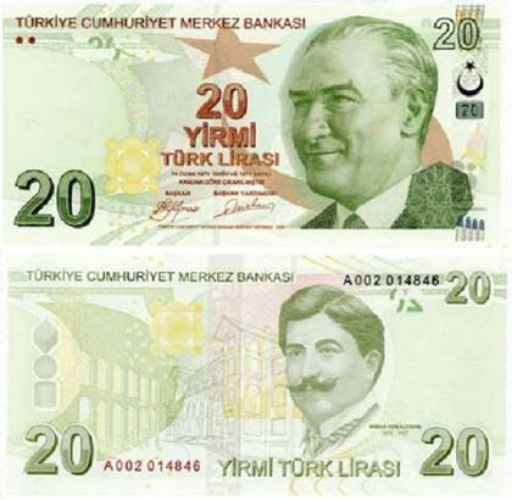
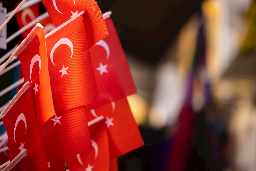
Mustafa Kemal Atatürk: (1881, Thessaloniki – 10 November 1938, Istanbul) was a Turkish field marshal, statesman, author, commander-in-chief of the Turkish War of Independence, founder of the Republic of Turkey and its first president. He undertook sweeping progressive reforms that transformed Türkiye into a secular, industrializing nation.
Architect Kemaleddin Bey is one of the most important representatives of Turkish architecture in the Ottoman and early Republican periods. He is known as one of the pioneers of the "First National Architecture Movement". He laid the foundations of modern Turkish architecture by combining traditional Ottoman architecture with the new technical and aesthetic understandings of the West.
Teacher: Andreea Elena Dolghi
"Bambi" Kindergarten, Cluj-Napoca, Romania
ROMANIAN MONEY

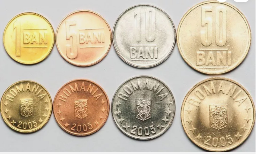
Romanian money is called the leu (plural: lei), and it's the official currency of Romania.
Currency code: RON
Symbol: lei or L
1 leu = 100 bani (similar to cents)
Romanian banknotes are colorful and made of polymer (plastic), which makes them durable. They come in:
1 leu, 5 lei, 10 lei, 50 lei,100 lei, 200 lei, 500 lei
Each banknote features important Romanian historical figures and cultural landmarks.
Common coins are:
1 ban, 5 bani, 10 bani, 50 bani

Melike Nur Kaya
Mehmet Hasan Sert Prımary School-Konya/TURKEY
Cephe – Mustafa Kemal Atatürk
Tüm Türk Lirası banknotların ön yüzünde Mustafa Kemal Atatürk'ün fotoğrafı yer alır.
Türk Lirasının Sırtındaki Halk
5 TL – Aydın Sayılı: Bilim tarihçileri
10 TL – Cahit Arf: Ünlü matematikçi
20 TL – Mimar Kemaleddin: Osmanlı-Cumhuriyet dönemi mimarı
50 TL – Fatma Aliye Hanım: İlk kadın romancılardan biri
100 TL – Itri (Buhurizade Mustafa Itri): Klasik Türk müziğinin bestecileri
200 TL – Yunus Emre: Şair ve Sufi düşünürler.
Itri , 17. yüzyılda yaşamış ve Osmanlı İmparatorluğu'nun en büyük Türk müzik otoritelerinden biriydi. Asıl adı Buhurizade Mustafa Itri'ydi . Dini ve klasik müzik alanında önemli eserler üretmiş ve özellikle "Tekbir" adlı bestesiyle güçlüdür.
Melike Nur Kaya- Mehmet Hasan Sert İlköğretim Okulu-Konya/TÜRKİYE
Cristina Costea, Școala Gimnazială Mihai Vodă, România
În prezent, în România circulă șapte bancnote, fiecare cu o poveste vizuală aparte.
Cea de 1 leu, verde, are pe portretul istoricului Nicolae Iorga, are dimensiunile similare cu cele ale bancnotei de 5 euro.
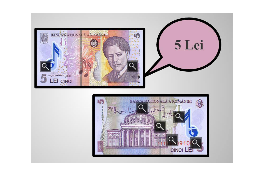
Pe bancnota de 5 lei, unde predomină violetul, se află un portret al compozitorului George Enescu, are aceeași dimensiune ca și bancnota de 10 euro.
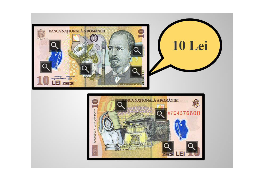
Pe bancnota de 10 lei, de mărimea bancnotei de 20 de euro, se află un portret al pictorului Nicolae Grigorescu, iar culoarea predominantă este roșu.
Bancnota de 50 de lei, in tonuri de galben si de marimea bancnotei de 50 de euro, prezenta pe aviatorul si inventatorul Aurel Vlaicu.
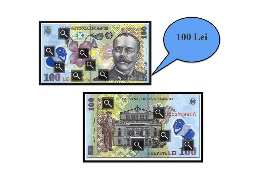
Bancnota de 100 de lei, albastră, asemănătoare cu cea de 100 de euro, îl prezintă pe dramaturgul IL Caragiale.
Scriitorul și filozoful Lucian Blaga se află pe bancnota portocalie de 200 de lei.
În fine, cea mai valoroasă bancnotă românească aflată în circulație prezenta pe față pe poetul Mihai Eminescu, este predominant de culoare gri și are aceleași dimensiuni ca și bancnota de 200 de euro.
Melike Simber Ünal/
Ayşe Aybaba Anaokulu/
Osmaniye/Türkiye
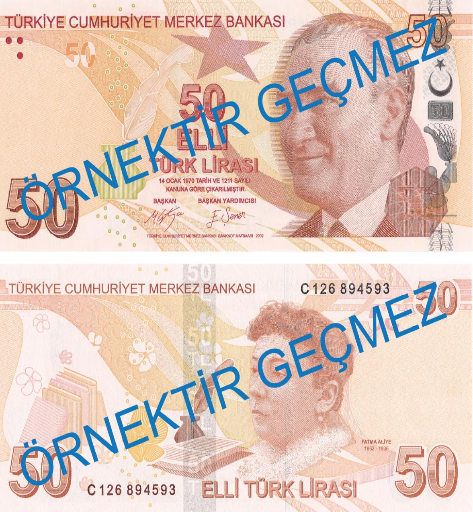
Mustafa Kemal Atatürk (1881, Selanik - 10 Kasım 1938, İstanbul)
Türk mareşali, devlet adamı, yazar, Türk Kurtuluş Savaşı Başkomutanı, Türkiye Cumhuriyeti'nin kurucusu ve ilk cumhurbaşkanı. Türkiye'yi laik, sanayileşen bir ulusa dönüştüren kapsamlı ilerici reformları hayata geçirdi.
Fatma Aliye Topuz ya da Fatma Aliye Hanım (9 Ekim 1862, İstanbul - 13 Temmuz 1936, İstanbul)
Osmanlı Türkü, yazar, çevirmen ve Türk edebiyat tarihinin ilk kadın romancısıdır. Tanzimat'tan II. Meşrutiyet'e kadar olan dönemde roman, felsefe, İslam, kadın hakları ve tarih konularında eserler verdi.
Αγαθή Παγανιά,
52ο Νηπιαγωγείο Πατρών,
Ελλάδα
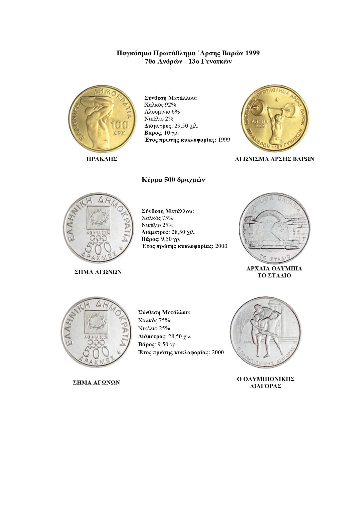
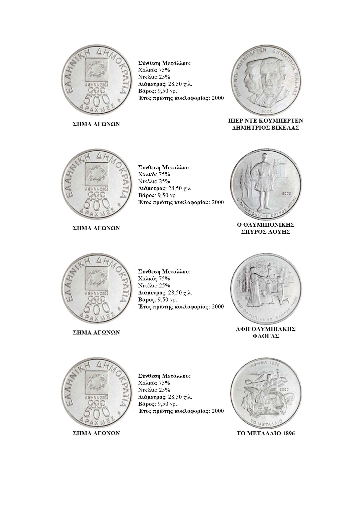

Έξι κέρματα των 500 δραχμών σε κυκλοφορία εκδόθηκαν ενόψει των Ολυμπιακών Αγώνων του 2004. Τα θέματά τους είναι: η είσοδος του σταδίου στην αρχαία Ολυμπία, ο Ολυμπιονίκης Διαγόρας, Δημήτριος Βικέλας και Πιερ ντε Κουμπερτέν, Ολυμπιονίκης και Ολυμπιονίκης της Ολυμπιονίκης. μετάλλιο. Η κοινή εμπρόσθια όψη φέρει το λογότυπο του Οργανισμού «Αθήνα 2004». Τα νομίσματα αυτά σχεδιάστηκαν από τους Π. Γράββαλο, Θ. Παπαγιάννης, Κ. Καζάκος, και Γ. Σταματόπουλος.
Gonca Emil - Mehmet Hasan Sert Prımary School - Konya \ TÜRKİYE
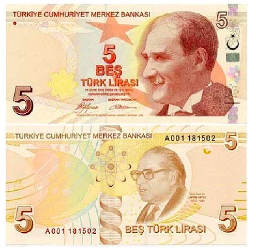
The 5 lira is one of the paper coins used in Turkey. Its color is shades of purple. On the obverse is a picture of Mustafa Kemal Atatürk, the founder of the Republic of Turkey. On the reverse side, there is a picture of the famous scientist Aydın Sayılı.
The 5 lira has special touch markings for the visually impaired in the upper right corner. In this way, visually impaired people can also recognize the coin. Each coin also has a unique serial number.
Gianna Patsioura
25th kindergarten of Larissa GREECE
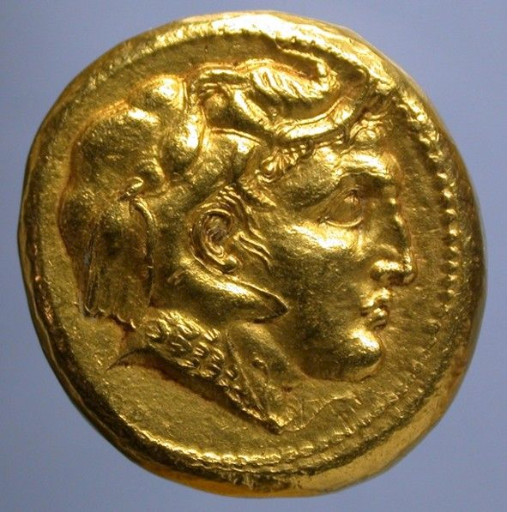
Το νόμισμα του Μεγάλου Αλεξάνδρου έπαιξε καθοριστικό ρόλο στη διάδοση του ελληνικού πολιτισμού και της επιρροής σε όλη την απέραντη αυτοκρατορία του. Μετά τις κατακτήσεις του, ο Αλέξανδρος εισήγαγε ένα ενιαίο νομισματικό σύστημα που βασιζόταν κυρίως σε αργυρά τετράδραχμα και χρυσά στατήρες. Τα νομίσματα αυτά συχνά απεικόνιζαν τον Ηρακλή να φοράει τη λεοντή στο ένα μέρος, και τον Δία
καθισμένο σε θρόνο στο άλλο, συμβολίζοντας τη δύναμη και τη θεϊκή εξουσία. Η ευρεία κυκλοφορία των νομισμάτων του βοήθησε στην ενοποίηση του εμπορίου σε διάφορες περιοχές και άφησε σημαντικό αποτύπωμα στις οικονομίες του αρχαίου κόσμου. Το νόμισμα του Αλέξανδρου συνέχισε να χρησιμοποιείται και να αντιγράφεται πολύ μετά τον θάνατό του, αποδεικνύοντας τη διαρκή κληρονομιά της αυτοκρατορίας του.
Georgia Sakellaropoulou, EEEEK Aigiou
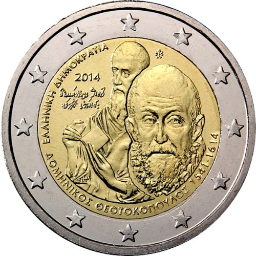
In one of the Greek collective versions of the coins of 2 Euros, we can see Domenikos Theotokopoulos. Domenikos Theotokopoulos well known as El Greco, was a Greek painter, sculptor and architect of Renaissance. His paintings are in various museums worldwide, having influenced great modern painters such as Manet, Cezanne, Picasso and Pollock.
Gavriela Vatidi, EEEEK Aigiou
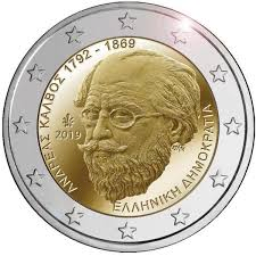
In another collective version of Greek 2 Euros coin, we can see Andreas Kalvos. Andreas Kalvos is a great Greek poet, well known for its poetic collections and creations. Although representing the Romantic school, Kalvos was experienced with different types of poems writing, offering a great variety of work.
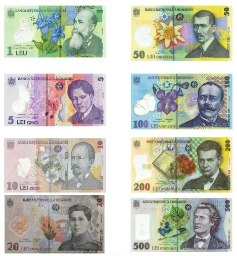
Romanian Money
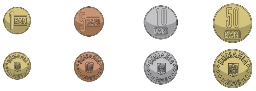
„BAMBI” KINDERGARTEN, CLUJ-NAPOCA, ROMANIA
TEACHER: OANCEA REBECA

The national currency of Romania is the LEU and it appeared in 1867. Currently, coins are produced at the state mint. The coins circulating in our country are worth 1 BAN, 5 BANI, 10 BANI and 50 BANI.
On 1st of July 2005, the new Romanian Leu (RON) was introduced.
The Romanian banknote was the first in Europe to ever be made of polymer.
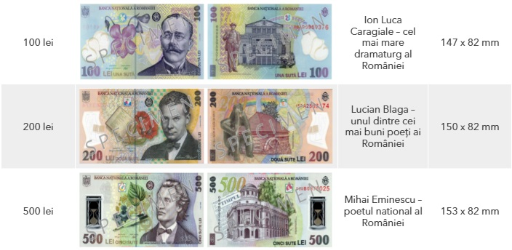
Romanian banknotes are in denominations of 1 LEU, 5 LEI, 10 LEI, 20 LEI, 50 LEI, 100 LEI, 200 LEI, 500 LEI. They represent the faces of personalities from the history of our culture. The banknotes are printed at the printing house of the National Bank of Romania.
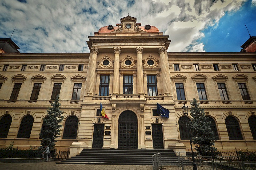
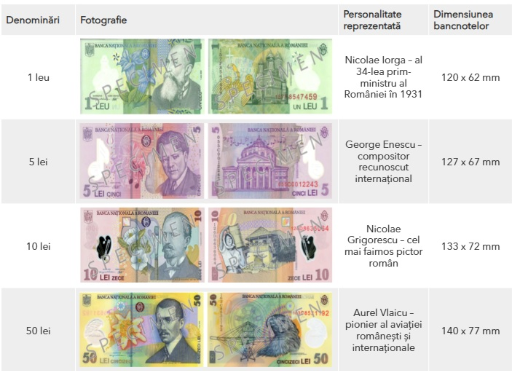
Source: https://tavex.ro/leul-romanesc-o-istorie-de-peste-patru-secole/
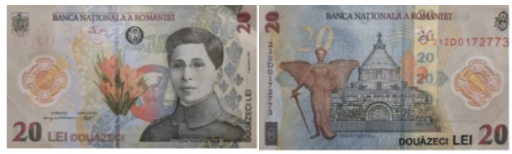
In December 2021 the National Bank of Romania introduced the Romanian 20 LEI banknote. It depicts the first woman from Romania to fight in a war. Ecaterina Teodoroiu led the Romanian army during World War I, in the Battle of Mărășești, where she died fighting to recapture the Romanian territories lost in 1917.
Mereu Nicoleta - Kindergarten Draganesti, Prahova County, ROMANIA
- < BEGINNING
- END >
-
DOWNLOAD
-
LIKE
-
COMMENT()
-
SHARE
-
BUY THIS BOOK
(from $10.79+) -
BUY THIS BOOK
(from $10.79+) - DOWNLOAD
- LIKE
- COMMENT ()
- SHARE
- Report
-
BUY
-
LIKE
-
COMMENT()
-
SHARE
- Excessive Violence
- Harassment
- Offensive Pictures
- Spelling & Grammar Errors
- Unfinished
- Other Problem





COMMENTS
Click 'X' to report any negative comments. Thanks!