 For our Teachers,Friends around the world....................
This book was created and published on StoryJumper™
©2014 StoryJumper, Inc. All rights reserved.
Publish your own children's book:
www.storyjumper.com

 Clothes-Influence of Climate and Culture
 Scotland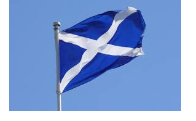
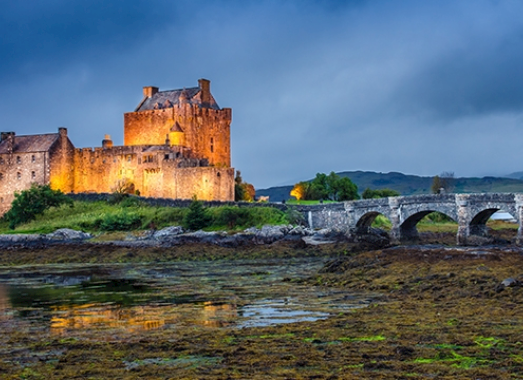
 Geography of Scotland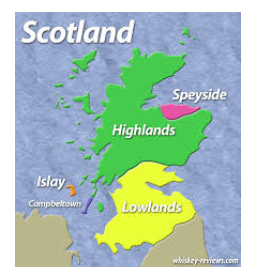
Scotland occupies the northern third of the island of
Great Britain. It is bounded by England in the south and
on the other three sides by water,by the Atlantic Ocean
on the west and north and by the North Sea on the east.
Scotland is divided into three physical regions—the
Highlands; the Central Lowlands, containing two-thirds of
the population; and the Southern Uplands. The western
Highland coast is intersected throughout by long, narrow
sea lochs, or fjords. Scotland also includes the Outer and
Inner Hebrides and other islands off the west coast and
the Orkney and Shetland Islands off the north coast.
 Topography of Scotland
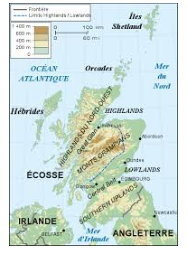
Scotland is occupying the northern third of the British island
and it is mainly divided into three different parts, called
Highlands, Central Lowlands and Southern Uplands.
The Highlands are a thinly populated mountainous area
north of Stirling and west of Aberdeen. More than one-half
of the surfaces of Scotland are occupied by the Highlands
The terrain of the Southern Uplands is much less elevated
and rugged than the Highlands. It consist largely of a
moorland plateau traversed by rolling hills and broken by
mountainous outcroppings. Adjoining the Southern Uplands
region along the boundary with England are the Cheviot
Hills.
Situated off the north and west coasts of Scotland are the
Islands, the main groups being the Orkneys and Shetlands
off the north coast and the Hebrides off the west coasts. The
largest of the other islands is Arran. Scotland is
characterized by an abundance of streams and lakes, which
are called lochs.
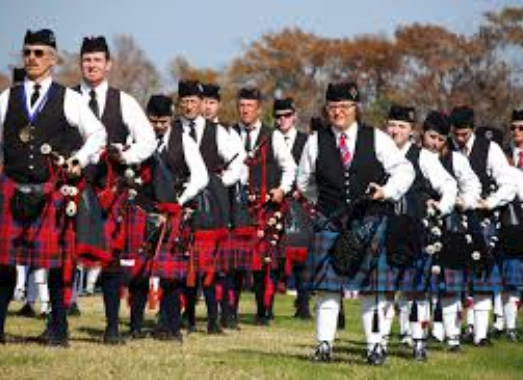
 PEOPLE OF SCOTLAND
The inhabitants of the Scottish Highlands were originally of
Celtic descent, and a small number of them still speak
Gaelic, an ancient Celtic language which is now being
encouraged once again in schools. In the southern part of
the nation, the people are descended from ancient Scots
with liberal inputs by Nordic influences and a bit of Anglo-
Saxon.
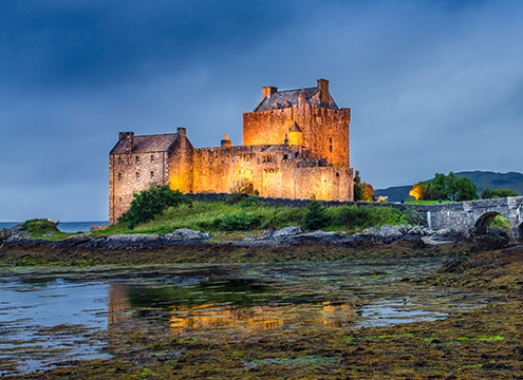
 Climate
The climate of Scotland is influenced by the surrounding seas.
Extreme seasonal variations are rare, as a result of the
moderating influences. The outstanding climatic features are
temperate winters and cool summers. In the western coastal
region, Scotland’s climate is generally cool and wet. It is
influenced by the North Atlantic Drift, a warm sea current
from the Caribbean, which keeps Scotland's coast ice free in
winter. The climate is oceanic, with no extreme variations or
exceptional events like tornadoes, droughts or widespread
floods, but the day to day weather can vary enormously and
unpredictably .
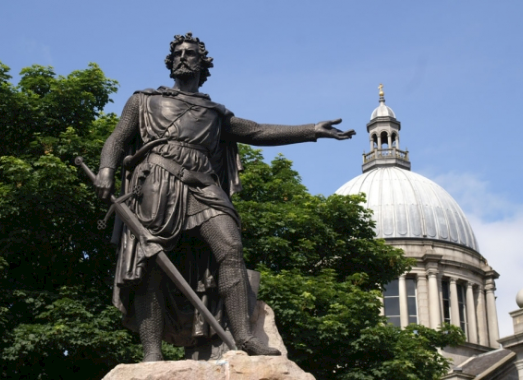
 Culture
The rich Scotland culture has gone through many changes since the past years.
Scotland was mostly inhabited by the Celtic decedents in the Scottish Highlands.
Scots dominated the Southern part of the country. Scotland has been handing down
its traditions for close to a thousand years now, since the earliest days of the clans
in the 12th century. Mostly the Scots are smart and vigilant. There is some influence
of the Nordic and Anglo Saxon people on the culture of Scotland. The Scottish people
always had a thirst for learning. Farmers called crofters live on the north western
coastal region of Scotland. They live in houses built of pebbles and stones. Apart
from farming the people are interested in forestry, cottage industries and road work.
The Highlands are famous for more than 100 clans and these groups of people are
famous for sports and athletic shows. There are also some Bagpipers and Highland
dancers. However, Scottish traditions are not something sterile under glass and
steel in a cold museum. They are vibrant, living things, constantly growing and
evolving, and every generation adds the thumbprint of its own particular Scottish
culture to the whole. Scotland's culture is rich and vibrant, dominated by bagpipes,
highland dancing, tartans, sport, poetry and festivals such as Hogmanay and the
Edinburgh. Scotland has a strong philosophical tradition, unusual for such a small
country.
You've previewed 13 of 20 pages.
To read more:
Click Sign Up (Free)- Full access to our public library
- Save favorite books
- Interact with authors


- < BEGINNING
- END >
-
DOWNLOAD
-
LIKE
-
COMMENT()
-
SHARE
-
SAVE
-
BUY THIS BOOK
(from $3.99+) -
BUY THIS BOOK
(from $3.99+) - DOWNLOAD
- LIKE
- COMMENT ()
- SHARE
- SAVE
- Report
-
BUY
-
LIKE
-
COMMENT()
-
SHARE
- Excessive Violence
- Harassment
- Offensive Pictures
- Spelling & Grammar Errors
- Unfinished
- Other Problem





COMMENTS
Click 'X' to report any negative comments. Thanks!