Bu kitap Türkiye ve Romanya ortaklı bir eTwinning projesinin ortak ürünüdür.
This book is a joint product of an eTwinning project between Türkiye and Romania.

İçindekiler/İçindekiler
Giriş Sümeyye Baytüre 4-5
Ayşe Gül Sezer 6-7
Şafak BEKTAŞ 8-9
Merve ŞAVLUK
-Nejla DÜNDAR 10-11
Derya ALTAY 12-13
Hatem İÇME 14-15
Hatice AŞIK 16-17
Hirsch-Casoni Gabriela 18-19
Livia Eleonora Iftimie 20-21
Evvel zaman içinde kalbur saman içinde develer tellal pireler sultan iken zamanın içinde yolculuk eden bir adam varmış. Hangi zamanda olduğunu bilmeden oradan oraya savrulur dururmuş. Gittiği zamanlarda ve ülkelerde bir saat veya bir takvim bulma umuduyla dolanır dururmuş.
Once upon a time, when camels were town criers and fleas were sultans, there was a man who traveled through time. He would wander from place to place without knowing what time he was in. He would wander around the times and countries he visited, hoping to find a clock or a calendar.
Bizim zaman yolcusu bir gün kendini başka diyarda bulmuş. Yeryüzü tanıdık ama bir o kadar da yabancıymış. Etrafta insanlar keçi derisinden giysilerle dolaşıyorlarmış. Zaman yolcusu gezerken meydanda dikilmiş büyük bir taş görmüş. Üzerinde oyulmuş garip semboller varmış. Gölgeyi izleyen adamlar arasında ''Mısır yılı 1324'' dediklerinde hangi yılda olduğu anlamış. Taşın üzerindeki işaretler Antik Mısırdaki 365 günlük takvime uygunmuş. Zaman yolcusu günlerce takvimi incelemiş. Bu insanlar zamanı güneşe borçluymuş. Her gün doğan batan güneş sadece zamanı değil hayatı da yönetiyormuş. Bizim zaman yolcusu yeni yerleri keşfetme umuduyla tekrar çıkmış yola çıkmış.
Our time traveler found himself in another land one day. The world was familiar but also strange. People were walking around in goatskin clothes. While walking around, the time traveler saw a large stone standing in the square. There were strange symbols carved on it. When the men watching the shadow said "Egyptian year 1324", he understood what year it was. The signs on the stone were in accordance with the 365-day calendar in Ancient Egypt. The time traveler studied the calendar for days. These people owed time to the sun. The sun, which rises and sets every day, governs not only time but also life. Our time traveler set out again with the hope of discovering new places.
Zaman yolcusu gözlerini açtığında kendini taş sokaklarla çevrili, mermer sütunların göğe yükseldiği bir şehirde buldu. Etraftaki insanların giysileri, Latince konuşmaları ve hemen karşısındaki yuvarlak taş platform dikkatini çekti. Ortasında dik duran bir sütun, güneş ışığıyla yere uzun bir gölge düşürüyordu. Gölge, taşın üzerine kazınmış çizgilerden birine denk gelmişti. “Bu bir güneş saati,” diye fısıldadı. Gölgenin konumuna ve yazıların Latin alfabesiyle oluşuna bakarak, M.Ö. 1. yüzyıl Antik Roma’sında olduğunu anladı. Tam etrafı keşfetmeye başlarken zaman yeniden kaymaya başladı…
When the time traveler opened his eyes, he found himself in a city surrounded by stone streets and marble columns reaching for the sky. The clothes of the people, their Latin speech, and a circular stone platform ahead caught his attention. At its center stood a tall pillar casting a long shadow in the sunlight. The shadow landed precisely on one of the carved lines on the stone. “A sundial,” he whispered. Judging by the shadow's position and the Latin inscriptions, he realized he was in Ancient Rome, around the 1st century BC. Just as he began to explore, time started to shift once again…
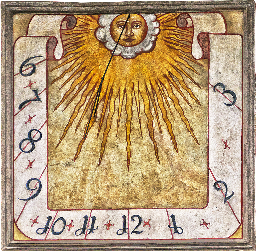
Zaman güneşle dans ediyor, her dakika biraz daha ısınıyor..
Zaman yolcusu bu saatten geçerken ışığını güneşten alır.Güneşin altında her saniye, bir zaman yolcusuna yol olur!
Zaman yolcusu geçerken, güneş gülümser.. zaman yolcusu devam eder..
Zaman kayarken başka bir döneme geçtiğini anlar ve adına Kum saati denen şeyin ne olduğunu anlamaya çalışır. Altı üstü geniş, beli ince, çok ince taneli kumun bir delikten geçerken zamanı ölçmesine çok şaşırır. Etrafına merakla bakar ve hangi yılda olduğunu anlamak onun için artık çok yorucudur.
As time passes, he realizes that he has passed into another era and tries to understand what the Hourglass is. He is very surprised that the sand, which is wide at the top and thin at the waist, and very fine grained sand passing through a hole measures time. He looks around with curiosity and it is now very tiring for him to understand what year it is.
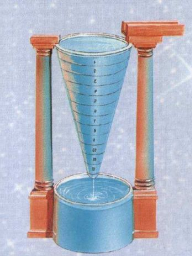
Bizim zaman yolcusunun aklını kurcalayan bir durum varmış. Yaşadığı yerde gündüz güneşle zaman ölçülebiliyormuş fakat akşam olunca insanlar zamanı nasıl ölçeceklerini bilemiyorlarmış. Bu yüzden günbatımından sonraki işlerde hep aksaklıklar çıkıyormuş. Biran önce bu soruna çözümün bulunduğu diyarları keşfetmeliymiş. Derken yola çıkmış, uzadıkça uzayan büyük bir nehrin olduğu diyara gelmiş. MÖ 16. yüzyılda gördüğü bu nehrin adının Nil olduğunu öğrenmiş. Bu bölgede Mısır kralları firavunlar için yapılmış yüzlerce piramit varmış. Buradaki insanların su saati kullandıklarını öğrenmiş ve bu saat hakkında bilgi toplamaya başlamış. Su saatinin 24 saatte boşalan büyük bir su kabından oluştuğunu görmüş. Bizim zaman yolcusu yeni zamanları keşfe çıkmış.
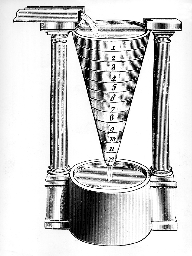
There was a situation that bothered our time traveler. In the place where he lived, time could be measured by the sun during the day, but in the evening, people did not know how to measure time. That is why there were always problems in the works after sunset. He had to discover the lands where the solution to this problem could be found as soon as possible. Then he set off and came to a land with a great river that kept getting longer and longer. He learned that the name of this river, which he saw in the 16th century BC, was the Nile. There were hundreds of pyramids built for the Egyptian kings and pharaohs in this region. He learned that the people here used water clocks and started to gather informationabout this clock. He saw that the water clock consisted of a large water container that emptied in 24 hours. Our time traveler set out to discover new times.
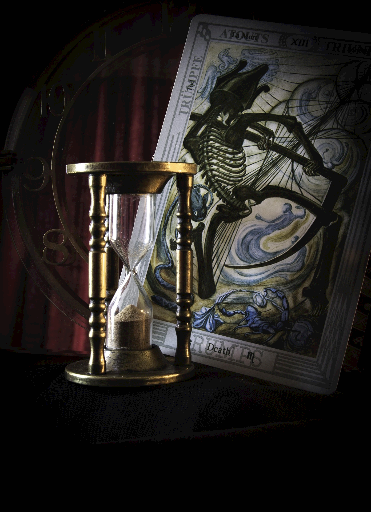
Zaman yolcusu bu kez kendini 8.yüzyılda buldu üst üste bulunan iki cam fanusun içerisindeki kumun birinden diğerine aktığını gördü. Bu kum saatiydi Avrupa'da 8. yüzyılda bir papazın buluşuyla kullanılmaya başlanmıştı. İnsanların camcılık becerisi geliştikçe, kumun doldurulduğu ağız da eritilerek kapatılmış ve nemlenerek akışın zorlaşmaması sağlanmıştı. Belirli bir sürenin başlangıcını ve bitişini göstermek için insanların kum saati kullandıklarını gördü. Tekrar zaman kaymaya başladı.
- Full access to our public library
- Save favorite books
- Interact with authors
Carpe Diem!
Live in the moment!
Trăiește clipa!
Anı Yaşa!
- < BEGINNING
- END >
-
DOWNLOAD
-
LIKE(1)
-
COMMENT()
-
SHARE
-
SAVE
-
BUY THIS BOOK
(from $4.39+) -
BUY THIS BOOK
(from $4.39+) - DOWNLOAD
- LIKE (1)
- COMMENT ()
- SHARE
- SAVE
- Report
-
BUY
-
LIKE(1)
-
COMMENT()
-
SHARE
- Excessive Violence
- Harassment
- Offensive Pictures
- Spelling & Grammar Errors
- Unfinished
- Other Problem





COMMENTS
Click 'X' to report any negative comments. Thanks!