National clothing represents , acting as a visual symbol of national pride, social status, and heritage passed through generations.

Created & published on StoryJumper™ ©2026 StoryJumper, Inc.
All rights reserved. Sources: storyjumper.com/attribution
Preview audio:
storyj.mp/adh4etb9hwpg
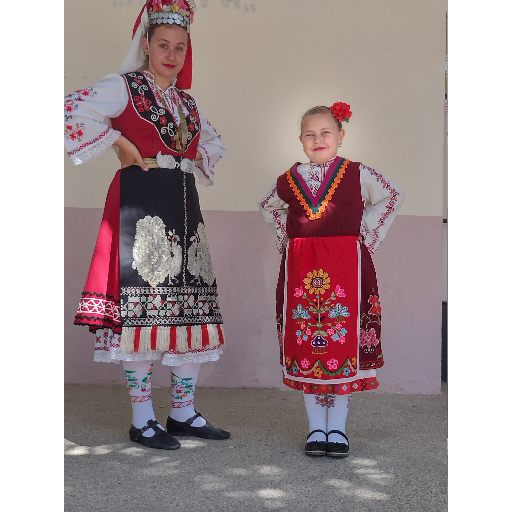

Bulgarian Thracian Clothing
Sukman: A sleeveless (or sometimes long-sleeved) black wool dress, often embellished with colorful embroidery.
Shirt: White, embroidered cotton, frequently featuring rich ornamentation.
Apron: A key, often heavily embroidered part of the outfit, sometimes fringed.
Other: Aprons, woolen belts, and jewelry (pafti/buckles).
Alternative: In some areas, a saya (open-fronted dress) is worn instead of the sukman.
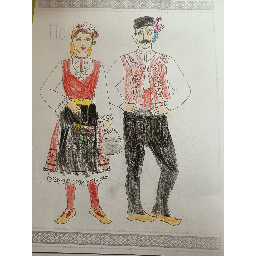
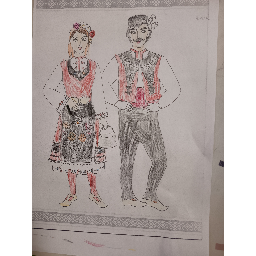
Men's Costume Components:
Poturi: Wide, black, or dark wool pants with embroidery (often called "black-cloth" style).
Shirt: White, long-sleeved cotton.
Vest (Elek): Often red or green, with black decorations.
Sash/Belt: A red or cherry-colored woolen belt.
Hat: A black sheepskin hat
Yana Moneva
2
3
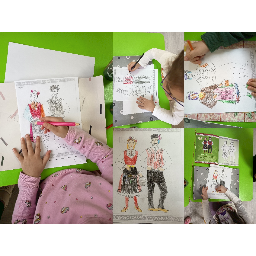
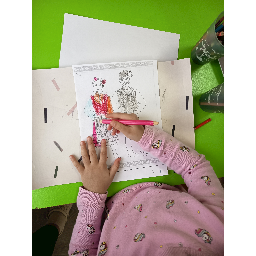
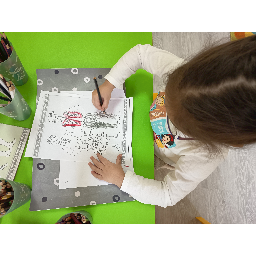
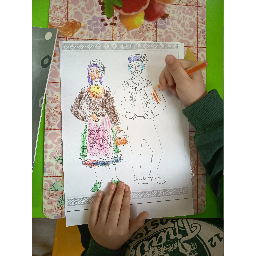
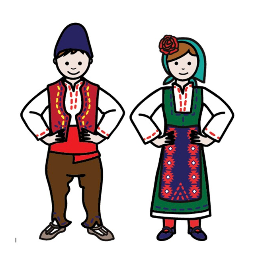
The Bulgarian folk costume is the folklore clothing in Bulgaria, preserved to this day. These are unique traditional costumes that combine lavish decorations, natural fabrics and handcrafting. The symbolism in the folk costumes is associated with the main colors, embroidery and stitching, as well as accessories.
Cveta Dimanova
4
5
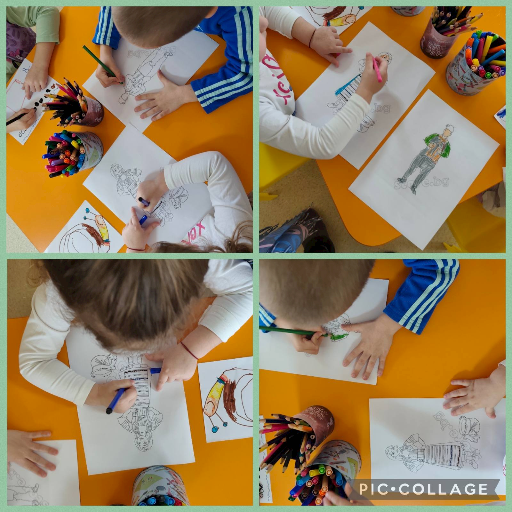
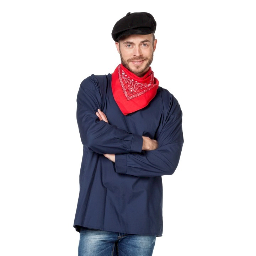
Belgium does not have a widely worn national costume that is still seen in everyday life today. Traditional clothing in Belgium is strongly regional (regional costume) and is now limited to historical guilds. A well-known historical example is the blue smock from the 19th century.
you can find it in carnival shops
6
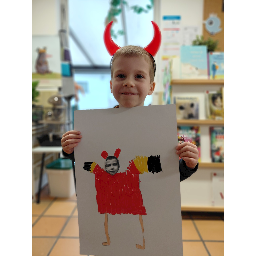
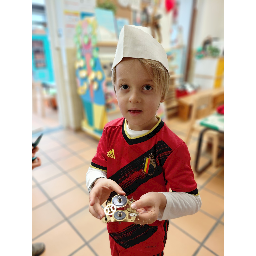
kids of the monkey-class, Kaat
we used the colours and clothing of the national footballteam!

7
Croatian folk costumes represent part of the cultural heritage of the Croatian people with an unusually wide range of different costumes. Folk costumes and folklore are inextricably linked to the way of life and reflect the social and cultural peculiarities of the individual geographical areas and climates where Croats live.

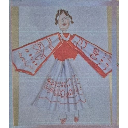


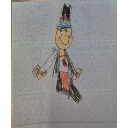

8
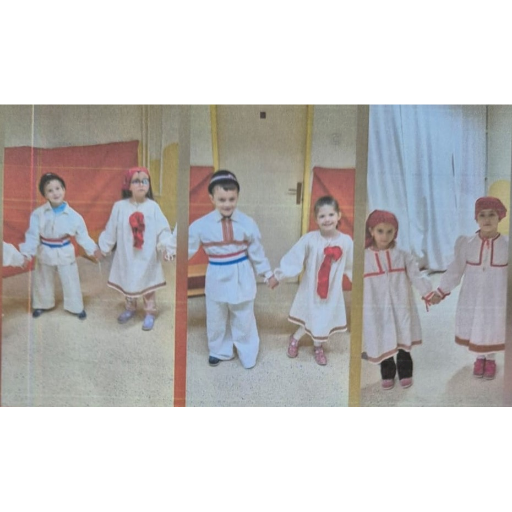
It is very important to pass on folk customs, dances, and traditions to our children in order to continue to present culture and national identity.
Zrinka Hržić, Anita Zečević, Tanja Galić Ore, Nataša Pavlešan Topolko
9
Benefits:
- Full access to our public library
- Save favorite books
- Interact with authors
READ
storyjumper.com
- < BEGINNING
- END >
-
DOWNLOAD
-
LIKE
-
COMMENT()
-
SHARE
-
SAVE
BUY THIS BOOK (from $2.99+)
-
BUY THIS BOOK
(from $2.99+) -
BUY THIS BOOK
(from $2.99+) - DOWNLOAD
- LIKE
- COMMENT ()
- SHARE
- SAVE
- Report
Liked By
X
Encourage this author
-
BUY
-
LIKE
-
COMMENT()
-
SHARE
Problem with this book
X
- Excessive Violence
- Harassment
- Offensive Pictures
- Spelling & Grammar Errors
- Unfinished
- Other Problem
Which pages have problems?
Please describe the problem:
left text
right text
"National Clothes"
Yana Moneva, Kaat Defrancq, Zrinka Hržić, Цвета Диманова
Bulgarian Thracian Clothing Sukman: A sleeveless (or sometimes long-sleeved) black wool dress, often embellished with colorful embroidery. Shirt: White, embroidered cotton, frequently featuring rich ornamentation. Apron: A key, often heavily ...
(16 pages)
Privacy level:
PUBLIC
21 reads
Report





COMMENTS
Click 'X' to report any negative comments. Thanks!