The students investigate and answer the following questions:
-Who this personality was?
-What did this personality do for peace?
-Which meaningful message is conveyed to humanity?
-Students also draw their peace personality portrait!

Partner Schools:
- Sal Second Mixed Primary School-Jordan p.5-28
- 12th Primary School of Neo Iraklio-Greece p.29-48
- CEIP Santa Maria - Spain p.49-55
- Yarış Secondary School-Türkiye p.56-69
- Secondary School nr. 43 ”Ferdinand” Constanța, Romania p.70-83
- Osmaniye Nuri Pakdil P.S., İstanbul-Türkiye p.84-91
- Arkas Science and Art Center, İzmir-Türkiye p.92-105
- 3rd Primary School of Heraklio Athens-Greece p.106-119
Partner Schools:
- 1rst Primary School of Irakleio Athens-Greece p.120-130
- 7th Primary School of Agii Anargyri-Greece p.131-154
- 50. YIL Ahmet Merter Primary School p.155-161
- I.C. "Tempesta-Galateo" Lecce, Italy p.162-184
- Arkas Science and Art Center, İzmir-Türkiye p.185-189
- Energetic High School Craiove, Romania p.190-205
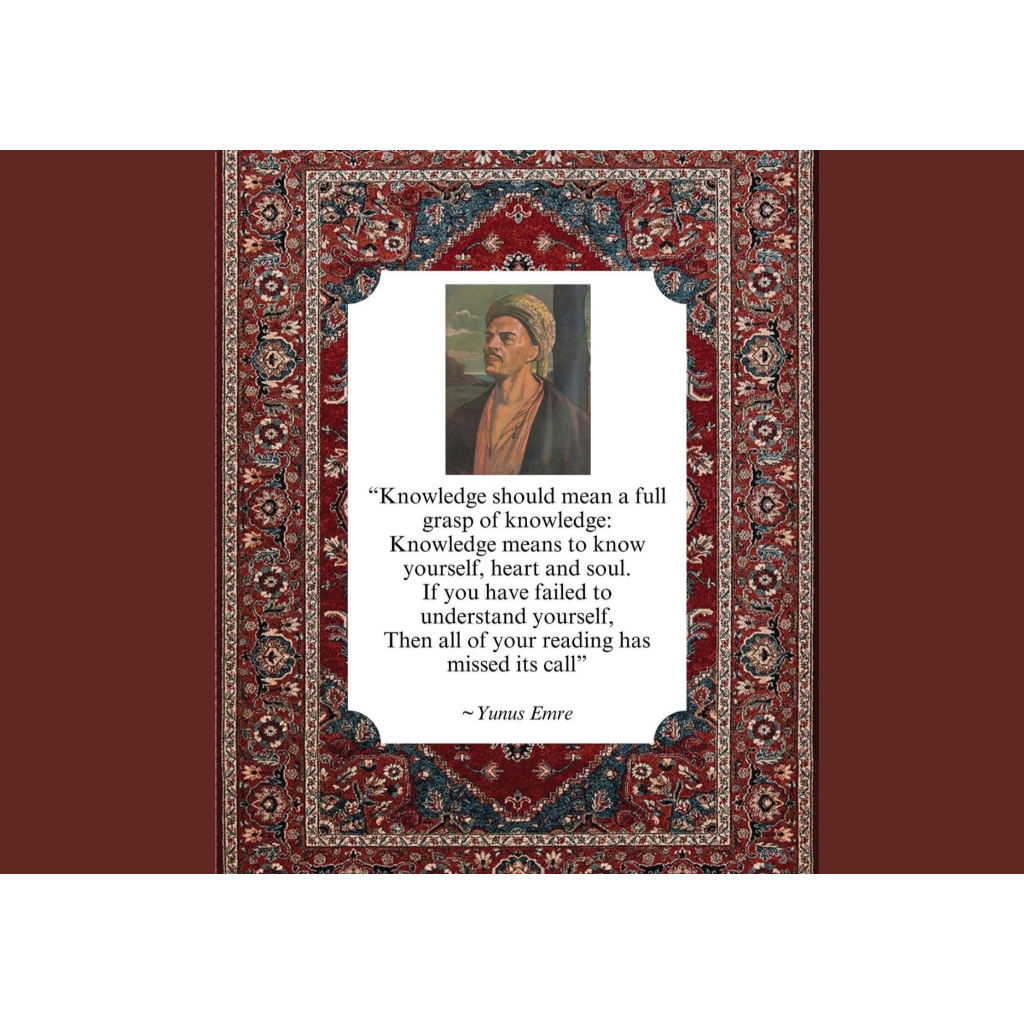
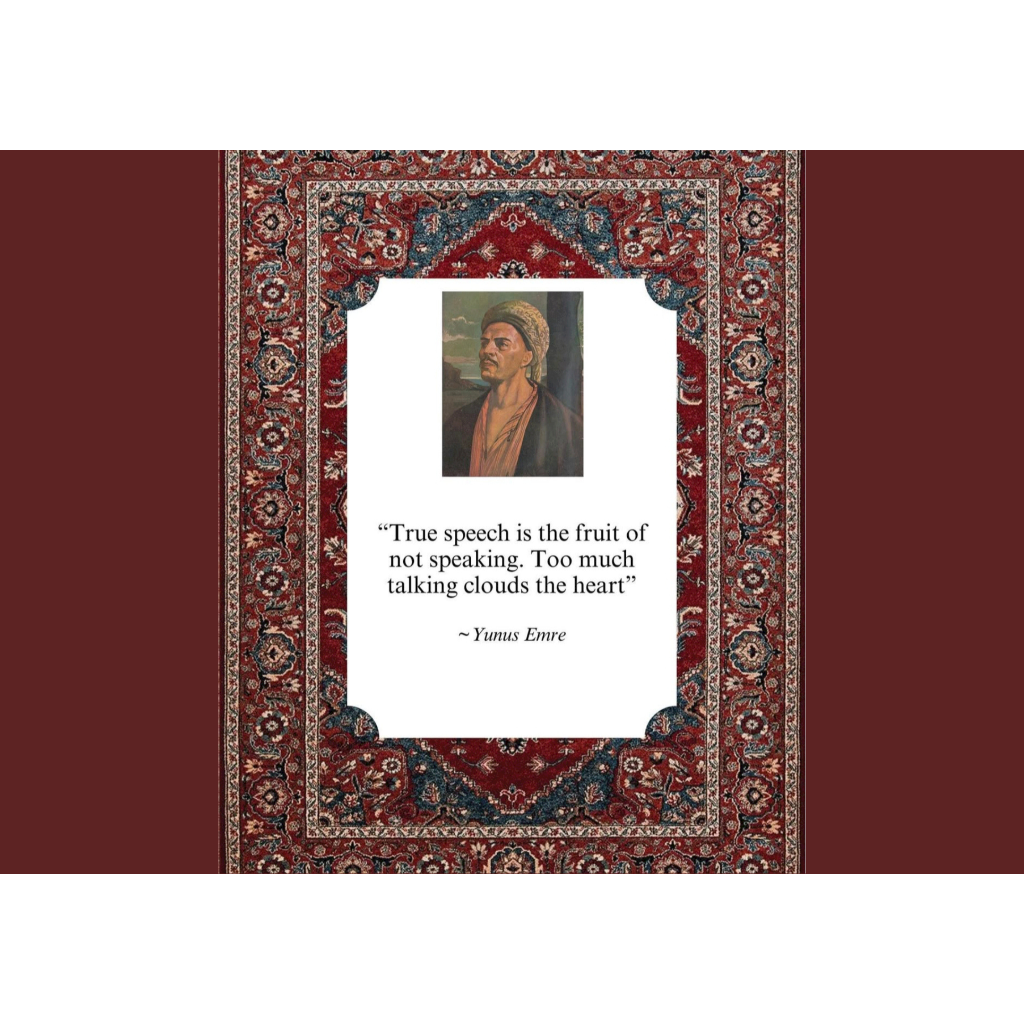
- Yunus Emre İlkokulu, Türkiye p.206-211
- CEIP Reina Fabiola de Bélgica. Ávila. Spain p.212- 220
General Instructions
for eTwinning Schools:
1. Please begin to write after the page of the last school.
2. Respect the work of each school and try not to delete any pages of other schools.
3. Add pictures and drawings of your peace personality.
4. You could also record your students' voice reading your book.
5. Try your best, do some research on your peace personality and use your imagination!
Sal Second Mixed
Primary School-Jordan
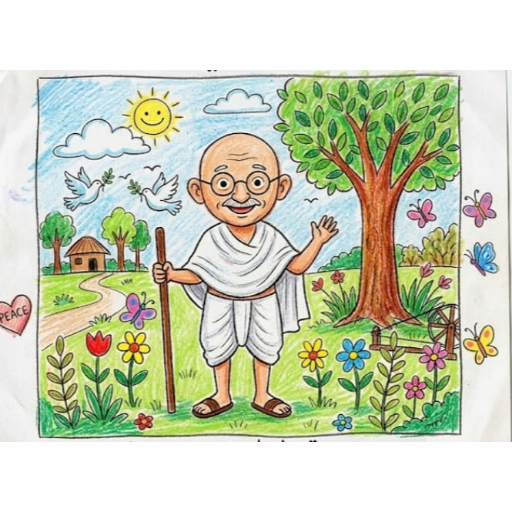
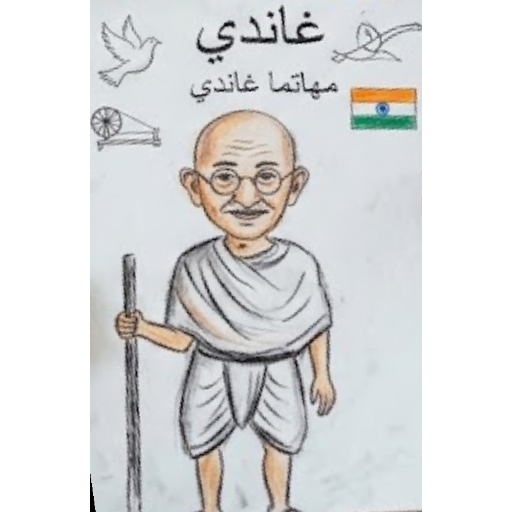
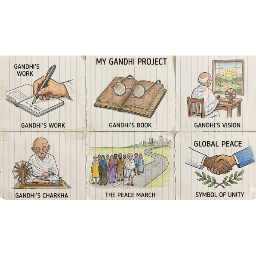
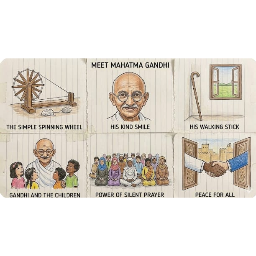
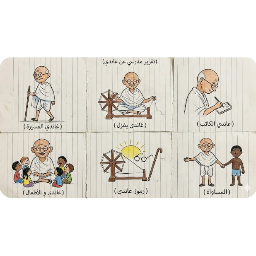
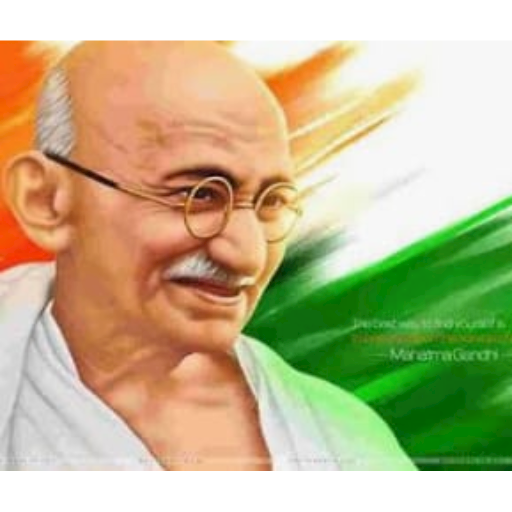
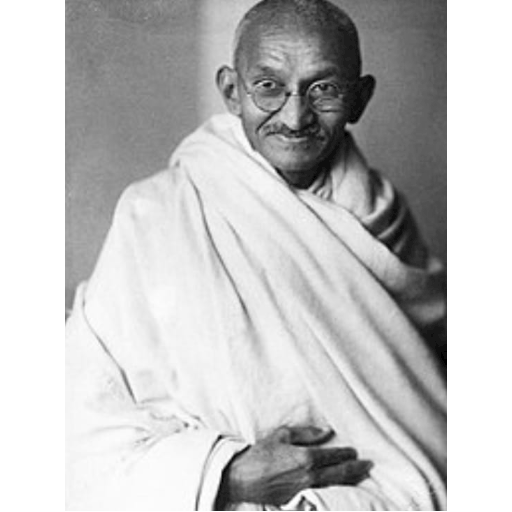
Mohandas Karamchand Gandhi (1869–1948), honored as Mahatma or “Great Soul,” was an Indian lawyer, political leader, and philosopher who led India’s nonviolent struggle for independence from British rule. Revered globally for his principles of truth and nonviolence, he transformed anti-colonial resistance into a moral and social movement that reshaped modern civil rights discourse.(Encyclopedia Britannica)
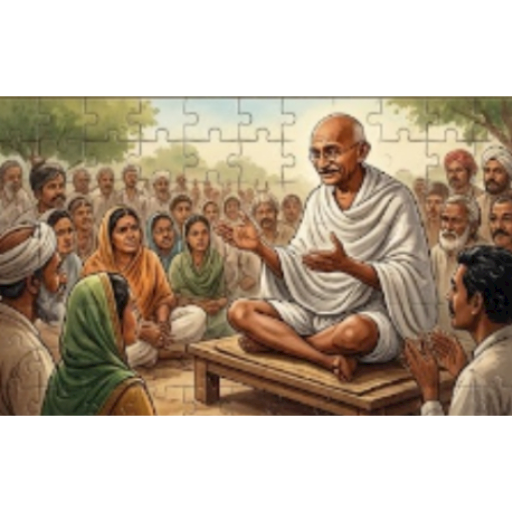
Mahatma Gandhi
Born: October 2, 1869, Porbandar, Gujarat, India
• Died: January 30, 1948, New Delhi, India
• Major movements: Non-Cooperation, Civil Disobedience, Quit India
• Philosophy: Ahimsa (nonviolence) and Satyagraha (truth-force)
• Spouse: Kasturba Gandhi
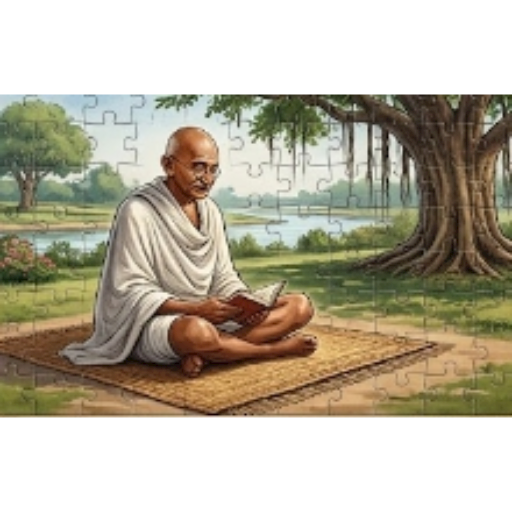
Gandhi dedicated his entire life to promoting peace and nonviolence.
He believed that true change could never come from hatred or violence.
In South Africa, he led campaigns to secure equal rights for the Indian minority using peaceful resistance.
In India, he organized nonviolent movements to oppose British rule, including the famous Salt March.
The Salt March in 1930 protested the British monopoly on salt and inspired millions to participate without resorting to violence.
Gandhi encouraged civil disobedience, urging people to refuse unjust laws peacefully.
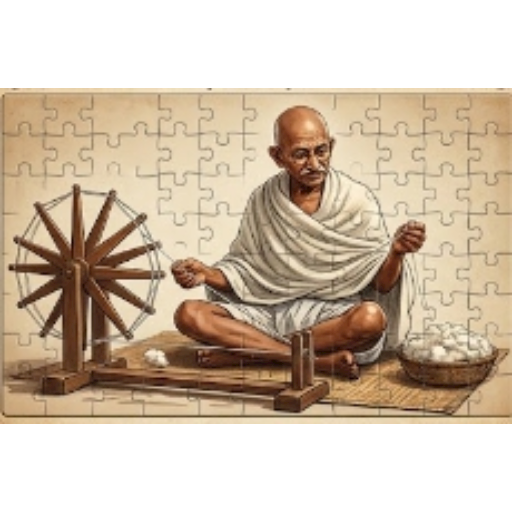
He emphasized dialogue and negotiation to resolve conflicts rather than fighting.
He worked to unite Hindus and Muslims in India, promoting religious tolerance and harmony.
During riots and tensions, Gandhi often intervened personally to prevent violence and promote reconciliation.
He used fasting as a tool to encourage reflection, self-discipline, and moral responsibility.
Gandhi’s idea of Satyagraha, or “truth force,” became a method of achieving political and social goals peacefully.
He taught that even in the face of oppression, one could resist injustice without harming others.
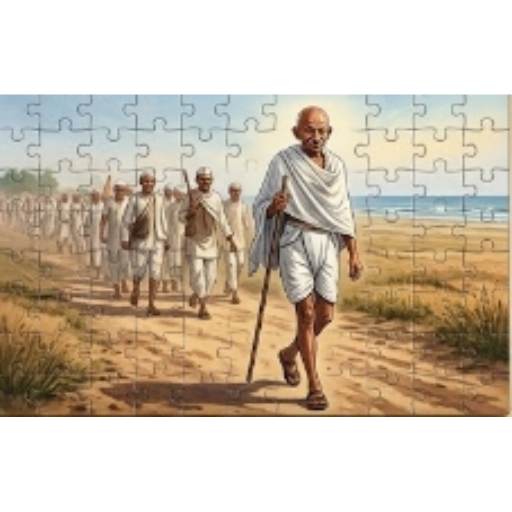
He inspired movements worldwide, influencing leaders in the civil rights and anti-apartheid struggles.
Gandhi believed that peace was not just the absence of war but the presence of justice and fairness.
He worked to alleviate poverty and hunger, understanding that social inequality leads to unrest.
His speeches, writings, and actions consistently promoted understanding, compassion, and patience.
Even after independence, he urged India to maintain peace and avoid retaliatory violence.
Gandhi’s life demonstrated that peace is a choice requiring courage, discipline, and love.
His commitment to nonviolence has left a lasting legacy for leaders and citizens worldwide.
Birth of Satyagraha
In South Africa, Gandhi developed Satyagraha, or the “truth-force,” as a disciplined method of nonviolent protest. His campaigns against discriminatory laws laid the foundation for future movements, emphasizing moral courage over physical confrontation.(History)
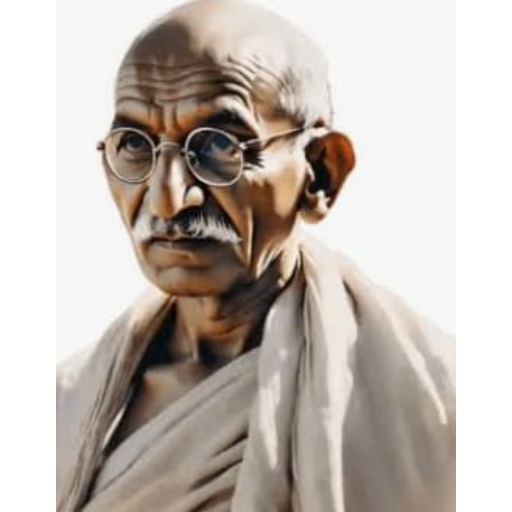
Leadership in India’s Independence
Returning to India in 1915, Gandhi became the central figure of the independence movement. He organized mass mobilizations such as the 1930 Salt March against colonial salt taxes, championed rural self-reliance through hand-spinning, and led campaigns for Hindu-Muslim unity and the uplift of marginalized castes. His insistence on ethical politics and civil disobedience inspired millions.(Encyclopedia Britannica)
Gandhi’s life conveys the timeless message that truth and nonviolence are the strongest tools for change.
He showed that one person’s courage and ethical commitment can inspire millions.
His teachings emphasize that moral integrity is more powerful than physical force.
Gandhi encouraged individuals to resist injustice peacefully, without hatred or revenge.
He taught that inner self-discipline and reflection are essential for creating a just society.
His philosophy reminds humanity that peace is not only political but also personal and spiritual.
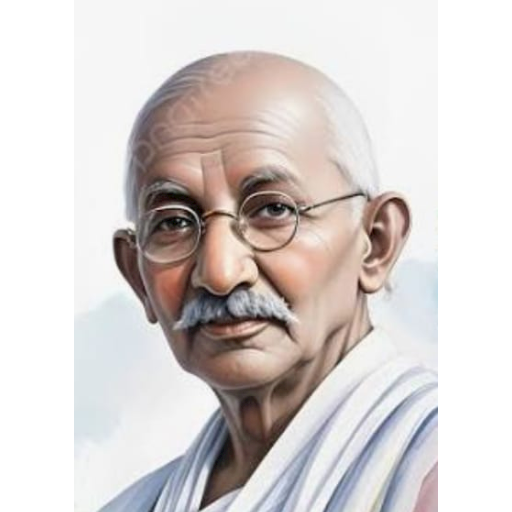
Gandhi demonstrated that simplicity, humility, and service are the foundations of a meaningful life.
He conveyed that love, compassion, and understanding can overcome deep social divisions.
His message highlights the importance of equality, fairness, and human rights for all.
He inspired people to act courageously in the face of oppression without compromising ethics.
Gandhi’s life encourages dialogue over conflict, patience over anger, and forgiveness over resentment.
He reminds humanity that small, consistent efforts for justice can lead to great social change.
His teachings advocate for sustainable living, self-reliance, and respect for all creatures.
Gandhi showed that education and awareness are key to empowering individuals and communities.
He reinforced that leadership should be based on service, not power or personal gain.
His message stresses that true freedom is achieved through moral and spiritual growth.
Gandhi’s philosophy has universal relevance, guiding humanity to resolve conflicts peacefully.
His life story serves as a model for cultivating peace, love, and justice in everyday actions.
Ultimately, Gandhi teaches that nonviolence is not weakness but the highest form of strength .
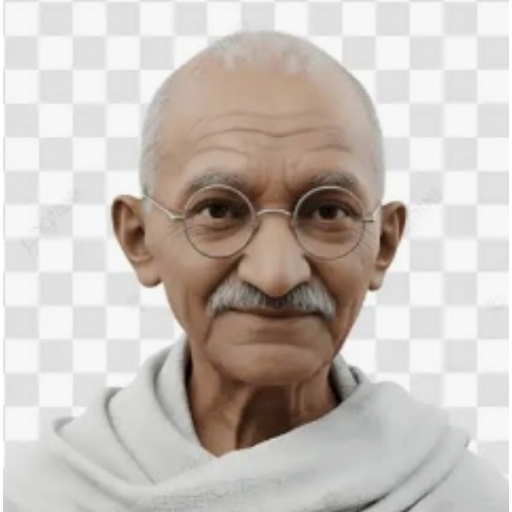
Assassination and Legacy
Gandhi was assassinated in 1948 by Nathuram Godse, a Hindu nationalist opposed to his conciliatory stance toward Muslims.
His death marked the loss of a moral compass for a newly independent India. Gandhi’s teachings profoundly influenced global leaders such as Martin Luther King Jr., Nelson Mandela, and Dalai Lama, shaping movements for civil rights, peace, and justice worldwide. The United Nations honors his birthday, October 2, as the International Day of Non-Violence.(Jagranjosh.com)
Safe Links
Mahatma Gandhi
National Geographic Kids – Gandhi
https://kids.nationalgeographic.com/history/article/mahatma-gandhi
Britannica Kids – Mahatma Gandhi
https://kids.britannica.com/kids/article/Mahatma-Gandhi/353204
Videos
• BBC Bitesize – Gandhi (short & simple)
https://www.bbc.co.uk/bitesize/topics/ztqj2nb/articles/z7c2vk7
• National Geographic (Educational video)
https://www.youtube.com/watch?v=QkZyU0ZqQXk
Martin Luther King
12th Primary School of Neo Iraklio
Teachers: Theonymfi Gemistou, Sotiria Sklirou
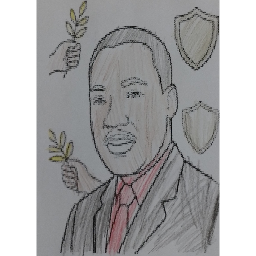
He was born in 1929 in Atlanta.
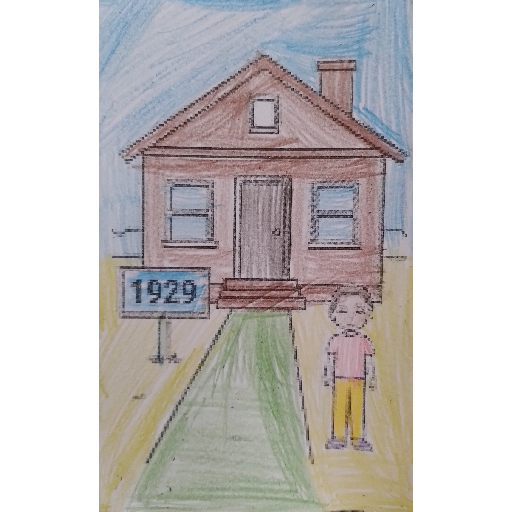
He was a pastor and his speeches were about love, justice and equality.
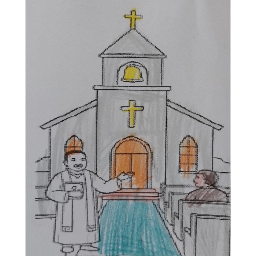
He fought for the rights of African Americans.
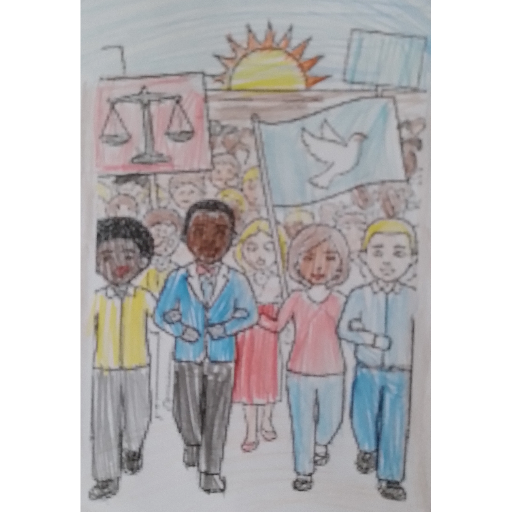
He organised peaceful protests.
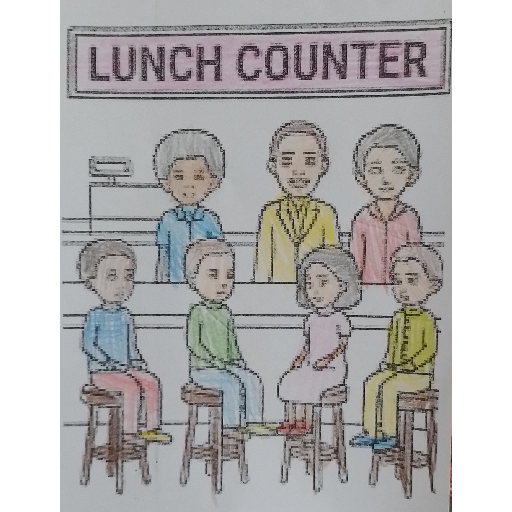
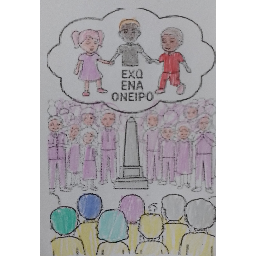
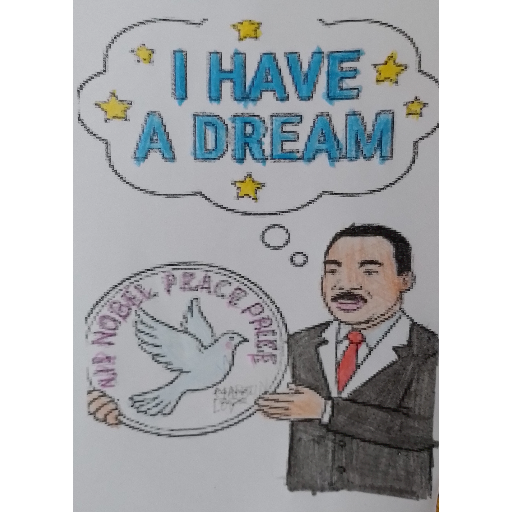
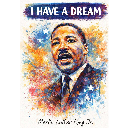
In 1963 he had his famous speech “I have a Dream”.
He won the nobel prize in 1964.
He died in 1968.
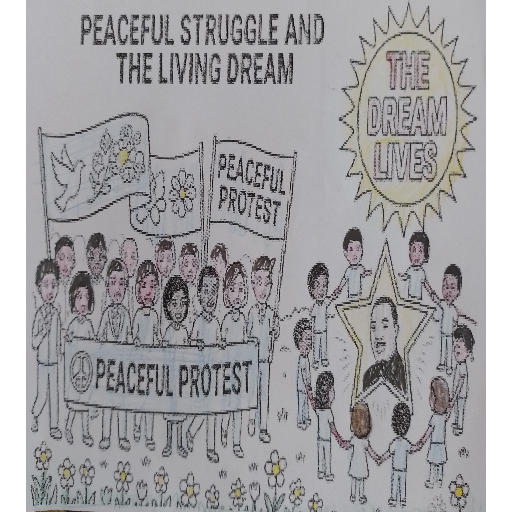
He believed that all the people should have the same rights.
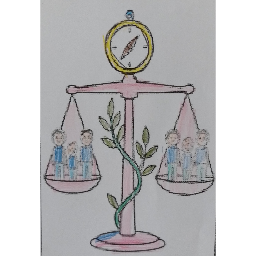
He inspired others to fight for justice.
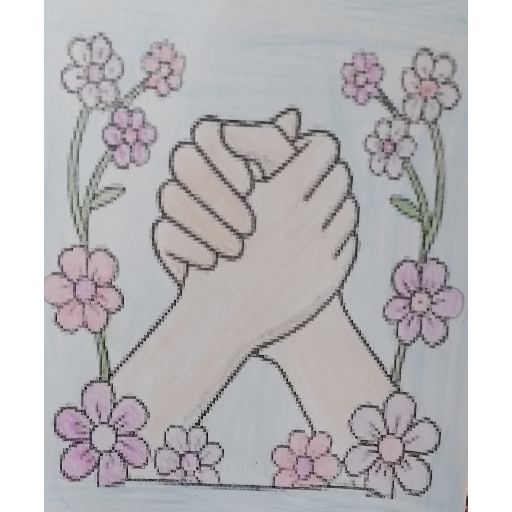
He helped change the laws about segregation.
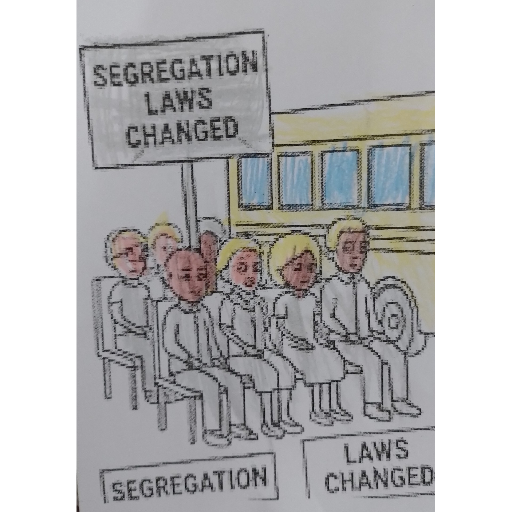
He teaches us that real peace means justice and respect for everyone.
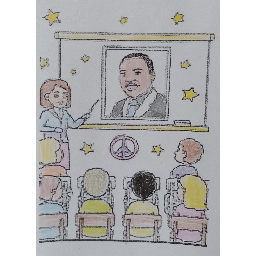
He also teaches us that we should fight for our rights in a peaceful way.
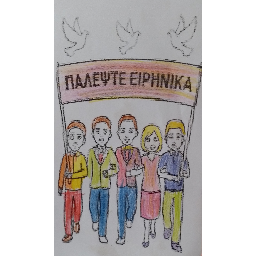
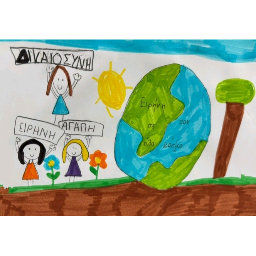
"Love is the only force capable of transforming an enemy into a friend."— Martin Luther King Jr.
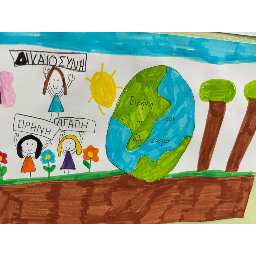
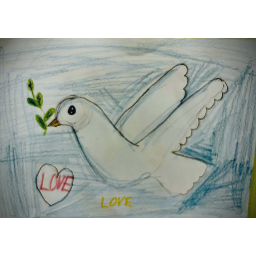
"Αγάπη η μοναδική δύναμη που έχει την ικανότητα να κάνει τον εχθρό φίλο"
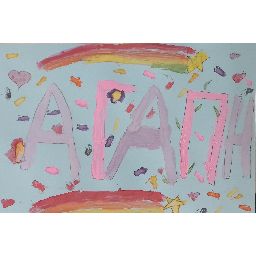
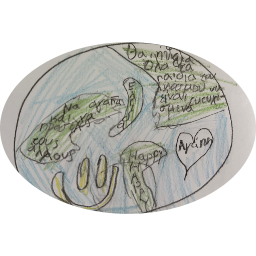
Darkness cannot drive out darkness; only light can do that. Hate cannot drive out hate; only love can do that. Love: the unique power that can make an enemy a friend.
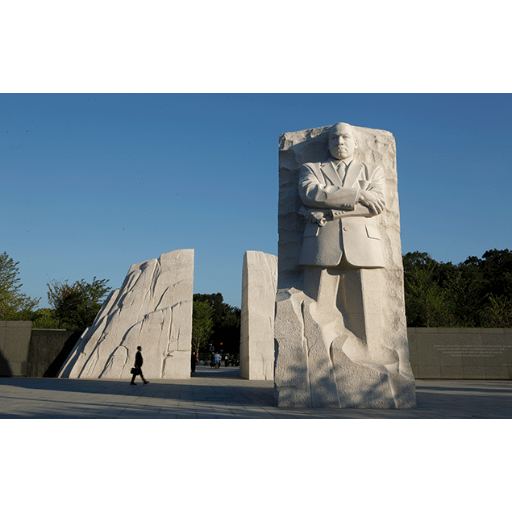
A statue built in his memory now stands in Washington D.C. and each year, the third Monday in January is celebrated as Martin Luther King Jr. Day, an American federal holiday.

More information:
1. Martin Luther King-National Geographic
https://kids.nationalgeographic.com/history/article/martin-luther-king-jr
2. 10 facts about Martin Luther King - National Geographic
https://www.natgeokids.com/uk/discover/history/general-history/martin-luther-king-facts/
Videos:
https://www.youtube.com/watch?v=iGuKmYXgm6s
2.The Story of Martin Luther King Jr. Stories about civil rights for kids.
https://www.youtube.com/watch?v=kwZxJEUOvS0
3. Μάρτιν Λούθερ Κίνγκ, η ομιλία που άλλαξε τον κόσμο.
https://www.youtube.com/watch?v=XW1o7rgCp1Q
PABLO PICASSO
Santa Maria, Spain
He was born on October 25th 1881 in Spain and he died on April 8th 1973 in France, where he had spent most of his adult life.
Over the course of his life and career, Picasso created more than 20,000 paintings, drawings, sculptures, ceramics, and other pieces of art such as theatre sets and costumes. He began creating art early in his childhood, perhaps because his father was a painter and professor of art.
At the age of 16, he attended a prominent art school called the Royal Academy of San Fernando in Madrid,
Spain, but ultimately decided to stop attending classes because he wanted more artistic and creative freedom.
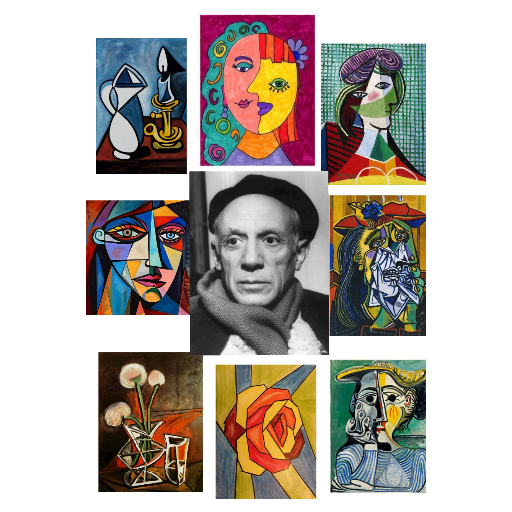
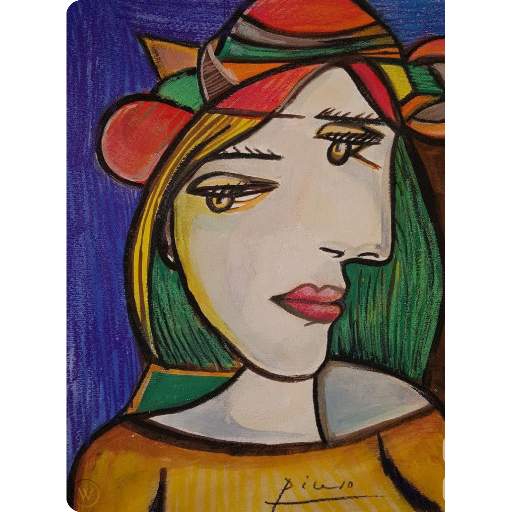
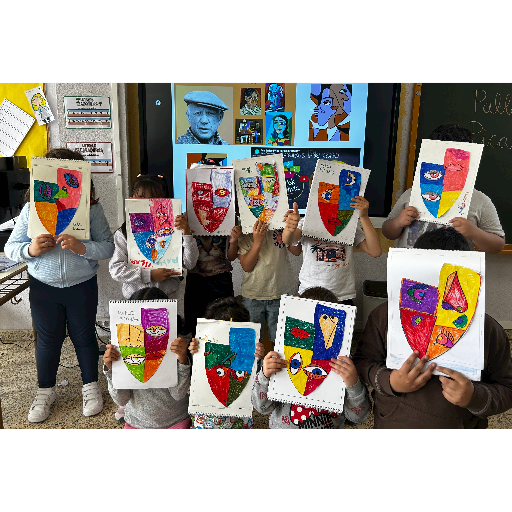
Our students of 1st grade have been working about the portraits of Picasso
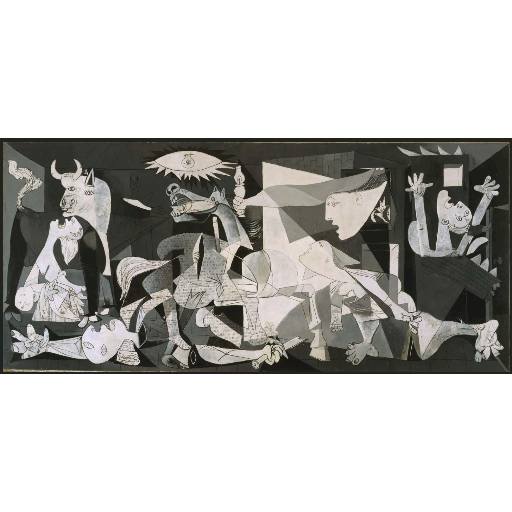
One of Picasso´s most notable works is the Guernica. This painting has endured as a powerful symbol of protest against violent conflict around the world.
But, What is the story behind the Guernica?
During the World War II Hitler’s German air force (in support of Francisco Franco, the leader of the Spanish Nationalist Forces during the Spanish Civil War) tested new bombing tactics on the Spanish village of Guernica. The attack killed around 1,650 civilians.
In response to this attack, Pablo Picasso painted Guernica in a single month.
Visually, it provides the viewer with an overwhelmingly chaotic and seemingly unstructured mess of death, pain, and grief.
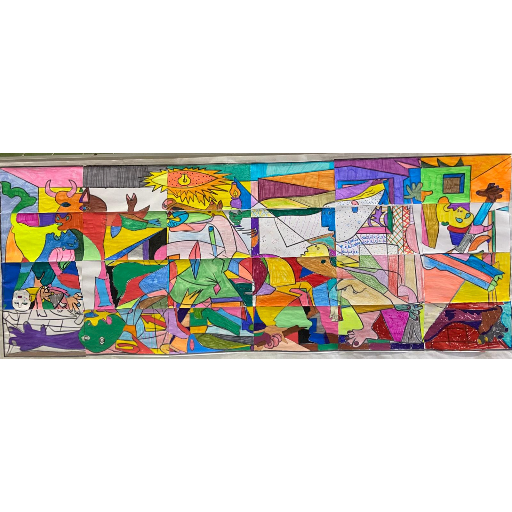
Our 5th grade students have created their own Guernica, changing the dark colors into bright colors. This way we want to evoke hope instead of fear.

Secondary School nr. 43 ”Ferdinand” Constanța, Romania
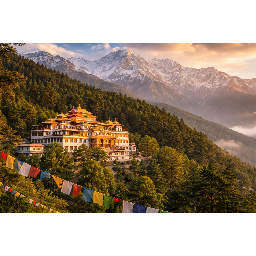
Dalai Lama (Tibet)
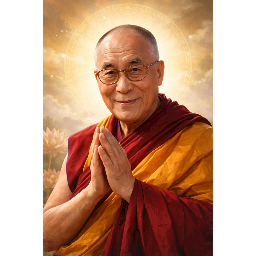
Who is the Dalai Lama?
The Dalai Lama is the spiritual leader of Tibetan Buddhism. The current (14th) Dalai Lama is Tenzin Gyatso, born in 1935 in Tibet.
He is believed by followers to be the reincarnation of a long line of spiritual leaders who are manifestations of compassion. Beyond religion, he is also an important global figure promoting ethics, kindness, and peace.
What did he do for peace?
Tenzin Gyatso has dedicated his life to nonviolence and peaceful solutions:
What did he do for peace?
What meaningful message does he convey to humanity?
The Dalai Lama’s message is simple but powerful:
What meaningful message does he convey to humanity?
A famous idea he often shares is:
“Be kind whenever possible. It is always possible.”
Here are some meaningful quotes from Tenzin Gyatso (the Dalai Lama):
Drawings of Dalai Lama
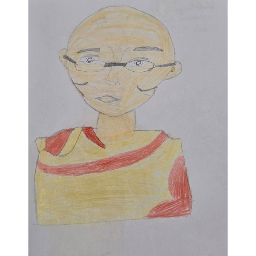
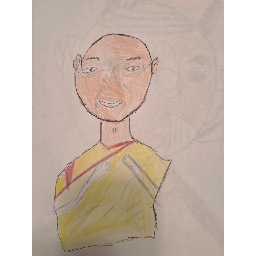
Drawings of Dalai Lama
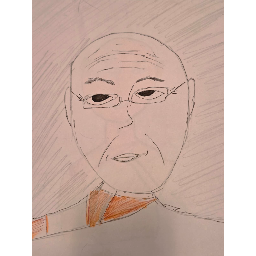
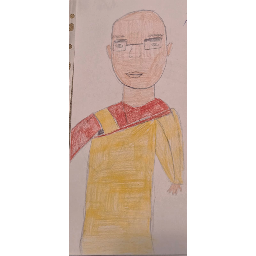
Here are some meaningful quotes from Tenzin Gyatso (the Dalai Lama):

Ayşe GÜZELSOY,
Osmaniye Nuri Pakdil P.S., İstanbul/TÜRKİYE
Barış MANÇO

Barış Manço was a famous Turkish musician, TV presenter and cultural ambassador.
He was born in 1943 in Turkey and became one of the most loved artists in the country.
He traveled to many countries and connected people through music, culture and kindness. He is still remembered as a symbol of peace and friendship.
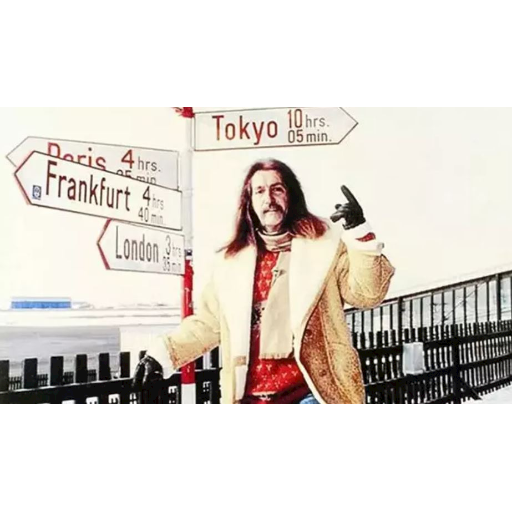
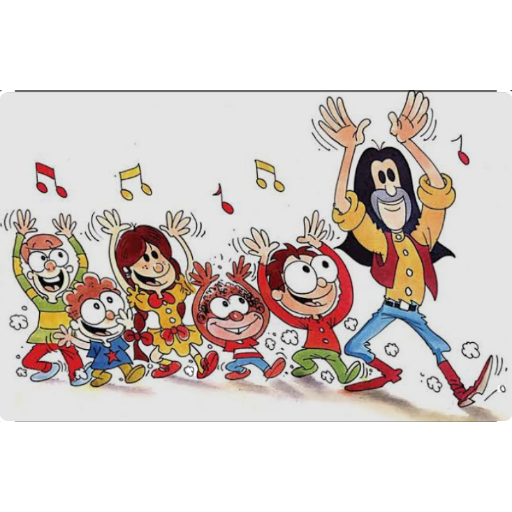
He showed that people can understand each other without speaking the same language.
https://youtu.be/H5DpbAiw83k?si=MzELbJ6oJyiiTs_k
He has received approximately 3000 awards, including the title of Turkish State Artist in 1991, the "International Culture and Peace Award" from Soka University in Japan in 1991, and the "Peace Diploma" from Kocaeli University in 1994 for promoting the Turkish people and Türkiye to the world.
https://youtu.be/mJVPM8x9HuA?si=a5et1Ec8bo29ajyB
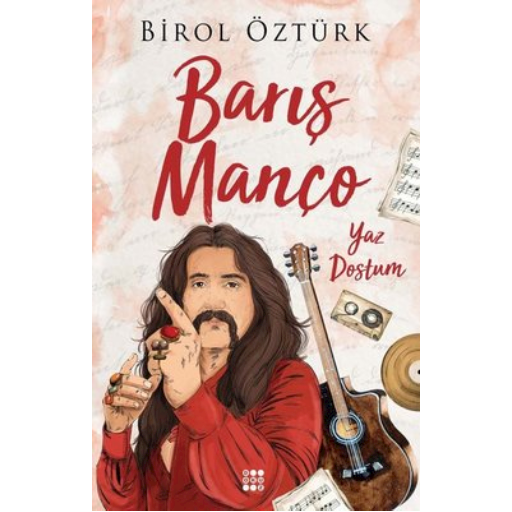
He says;
“Peace begins with love and respect.”
William Shakespeare
Teacher: Hatice Buket YERELİ
School: Arkas Science and Art Center, İzmir-Türkiye
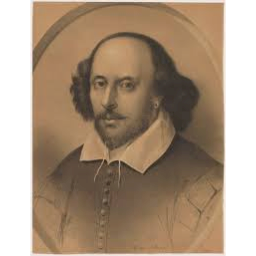
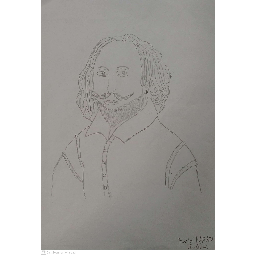
William Shakespeare was a famous English writer.
He was born in England in 1564 and died in 1616.
He wrote plays and poems.
People call him one of the greatest writers in the world.
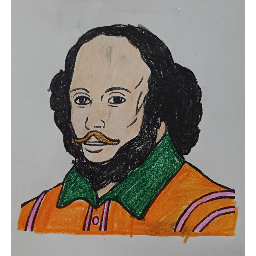
William Shakespeare did not fight in wars.
But he wrote stories about people, love, and problems.
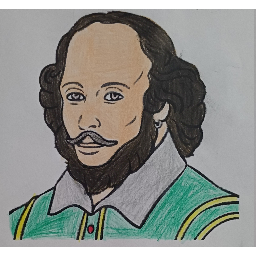
In his plays, he showed that hate, anger, and violence can hurt people.
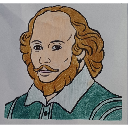
He helped people think about peace and kindness.
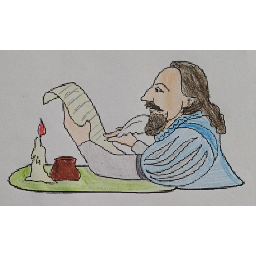
William Shakespeare wrote many plays and poems. He wrote about 38 plays and 154 sonnets (short poems).
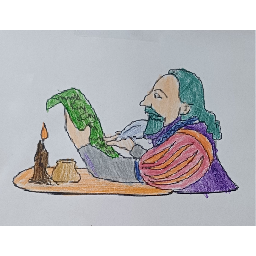
His poems talk about love, time, beauty, and life.
His works are very famous all over the world.
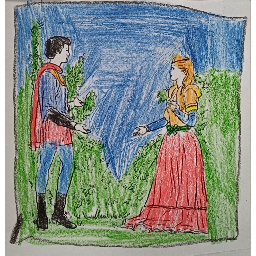
His works teach us about:
- Love
- Friendship
- Jealousy
- Power
- Peace and understanding
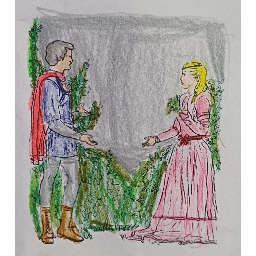
His message is:
- Love is stronger than hate.
- People should understand each other.
- Violence brings sadness, not happiness.
William Shakespeare’s Tragedies (sad stories)
These plays often end in sadness.
- Romeo and Juliet – a story about love and family conflict
- Hamlet – a story about a prince and revenge
- Othello – a story about jealousy
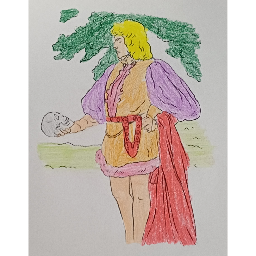
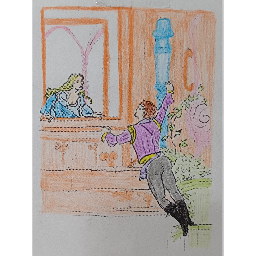
Romeo and Juliet – a story about love and family conflict.
In this play, two families fight, and it ends in tragedy. This shows that fighting is not good.
William Shakespeare’s Comedies (funny stories)
These plays are happy and make people laugh.
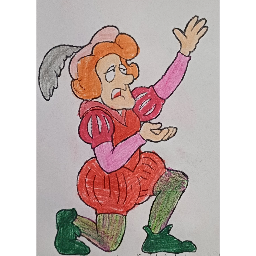
- A Midsummer Night’s Dream – a magical and funny love story
- Twelfth Night – a story with humor and confusion
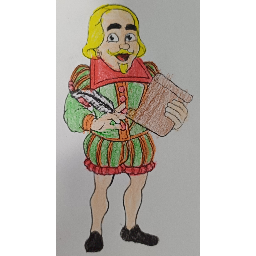
William Shakespeare’s Histories (stories about kings and England)
These plays tell stories from history.
- Henry V – a story about an English king
- Richard III – a story about power and ambition
3rd Primary School of Heraklio Athens

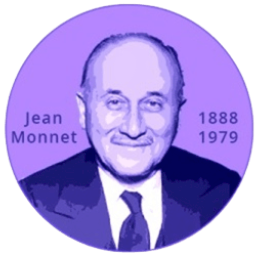
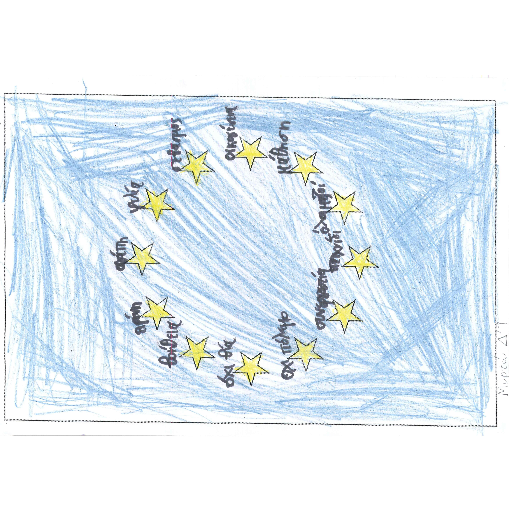
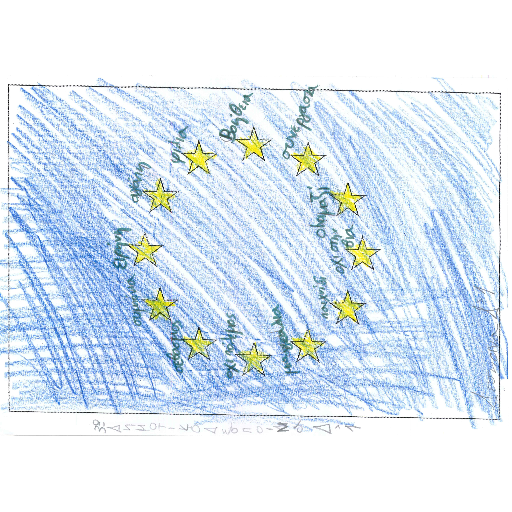
Jean Monnet (1888–1979) was a primary architect of European unity, recognized as a "Father of Europe" for creating the European Coal and Steel Community (1951). His work laid the foundation for the EU, which won the 2012 Nobel Peace Prize for turning a continent of war into one of peace through economic integration and cooperation.
The European Union as a Force for Peace
In the aftermath of World War II, European leaders embarked on a visionary journey to foster lasting peace and cooperation, aiming to eradicate the root causes of conflict and build a united Europe. In 1957, the Treaty of Rome establishes the European Economic Community (EEC) and a new era of ever-closer cooperation in Europe.
Source: www.pubaffairsbruxelles.eu
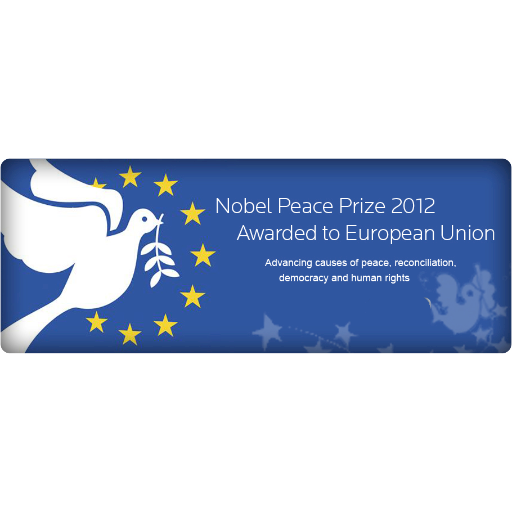
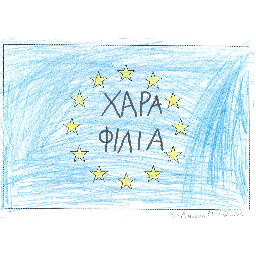
Today, the European Union (EU) stands as a symbol of peace, solidarity, and collaborative efforts among its member nations.
3rd Primary School of Heraklio Athens
Roberto Benigni
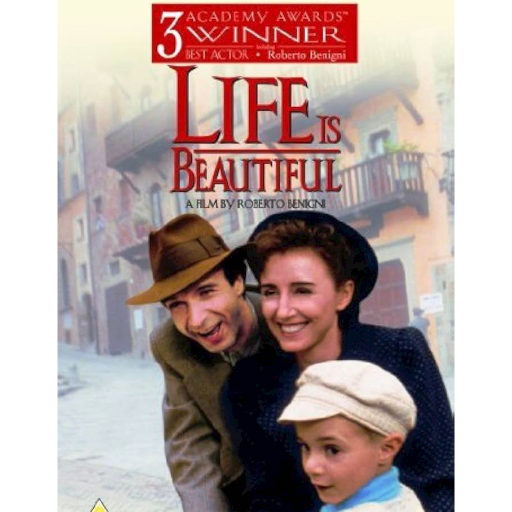
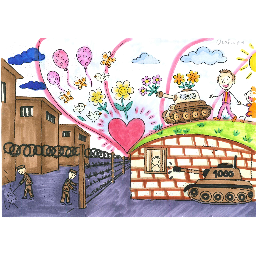
Roberto Benigni is a celebrated Italian actor, comedian, and director, best known for creating and starring in the Oscar-winning film Life Is Beautiful (1997). His work often uses humor to address serious historical and human topics, notably focusing on themes of love, protection, and humanity.
Key Aspects of Roberto Benigni
a"Life Is Beautiful" (La Vita è Bella): Benigni directed and starred in this 1997 film, which tells the story of a Jewish father using imagination to protect his son in a Nazi concentration camp.
aOscar Winner: He won the Academy Award for Best Actor in 1999 for his role in Life Is Beautiful.
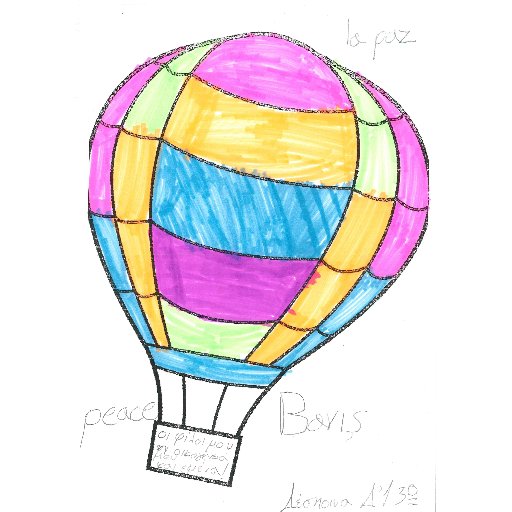
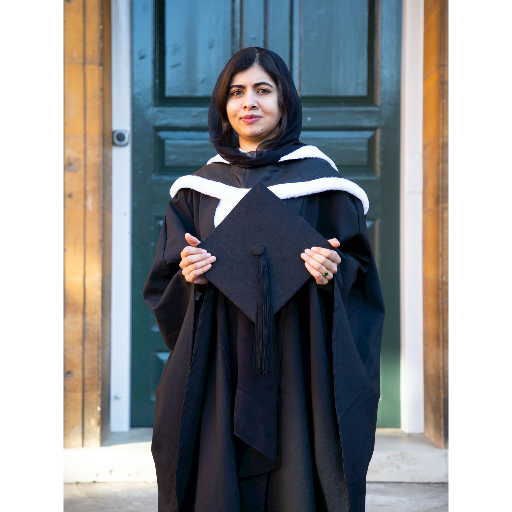
MALALA YOUSAFZAI
1rst Primary School of Irakleio Attica
Teacher : Fotini Fissa
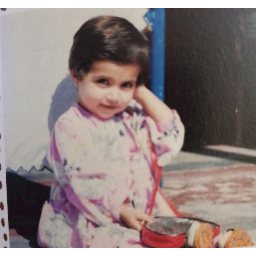
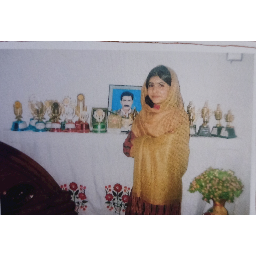
She was born in Mingora, Pakistan on July 12, 1997
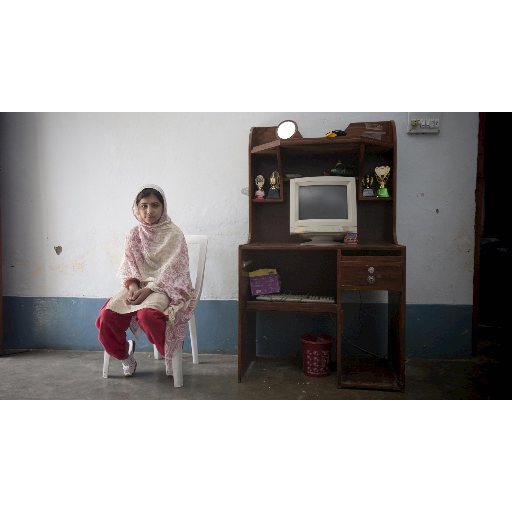
She started writing about life under Taliban regime.
Girls could no longer go to school.
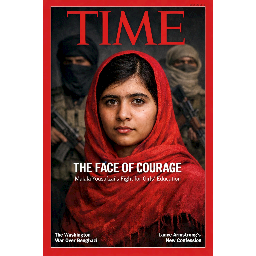
In October 2012 she was targeted by the regime but she survived.
In July 12, 2013 she spoke at the United Nations, calling for children to have access to education.
Time magazine named her one of 100 most influential people in the world.
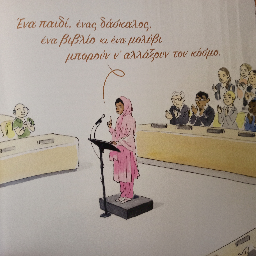
She created a foundation and opened schools for girls.
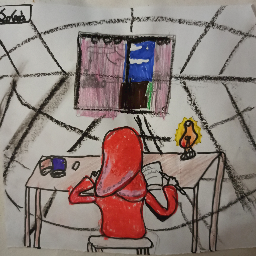
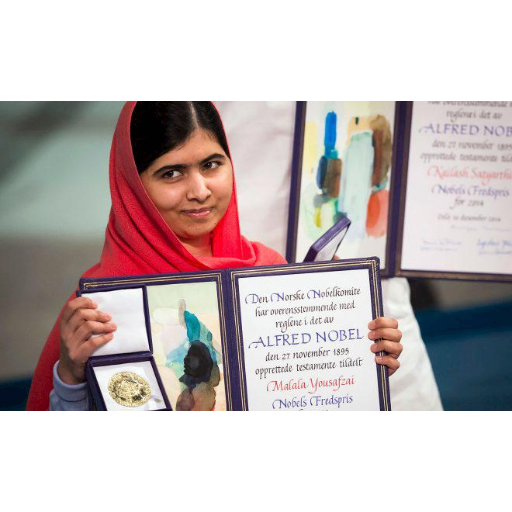
She received the Nobel Peace Prize in December 2014. She became the youngest Nobel Prize laureate for her struggle for the right of all children to education.
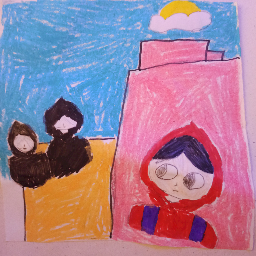
In 2017 she began studying in the University of Oxford and every day she continued to fight to ensure all girls receive 12 years of education.
2025. Malala continues her advocacy taking the movement for girls' education to goverments and leaders around the world.

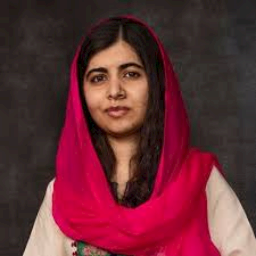
She said:
We realize the importance of our voices only when we are silenced.
I raise my voice not so I can shout but... so that those without a voice can be heard... we cannot succed when half of us are held back.
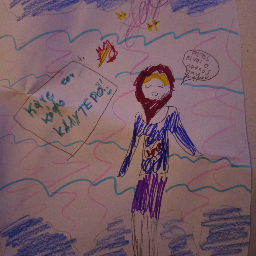
Education is neither Eastern nor Western, it is human.
One child, one teacher, one book and one pen can change the world!
Melina Mercouri
7th Primary School of Agii Anargyri
Teachers: Anastasia Nikolakaki, Vassileia Kaniadaki
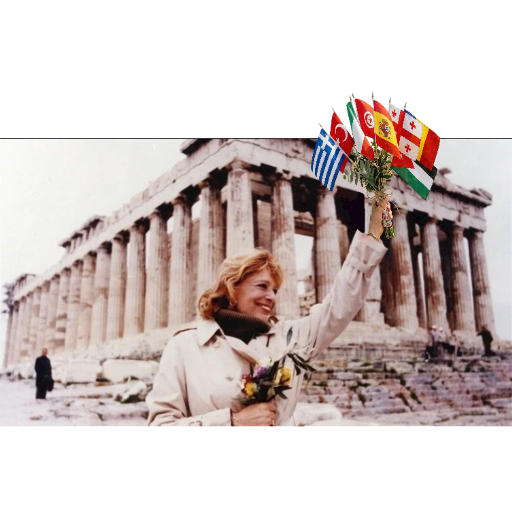
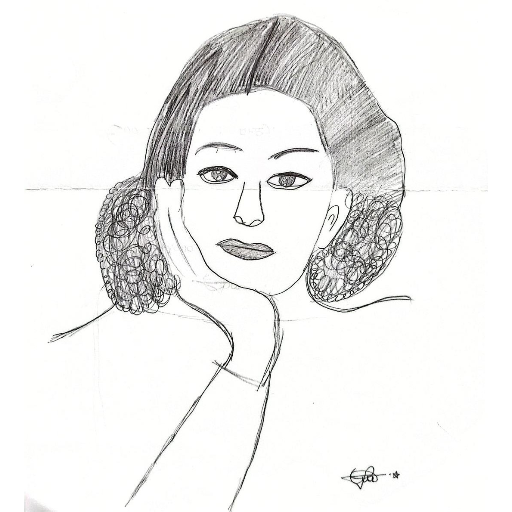
The students drew Melina's self-portrait
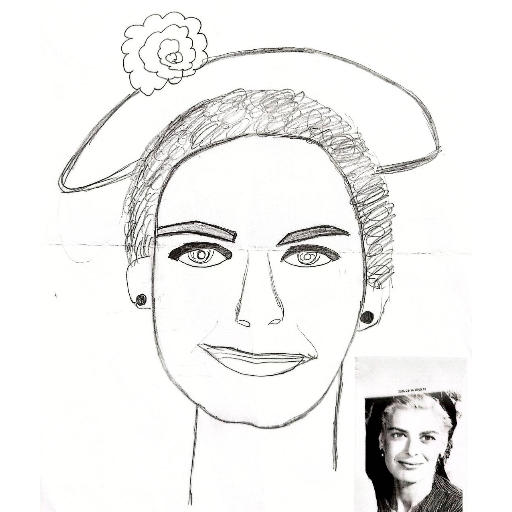
The students drew Melina's self-portrait
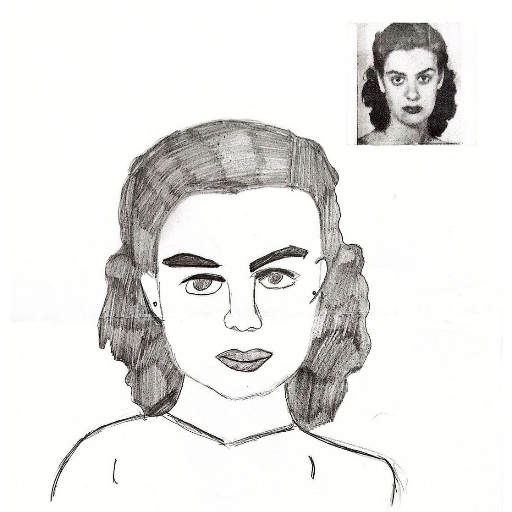
The students drew Melina's self-portrait
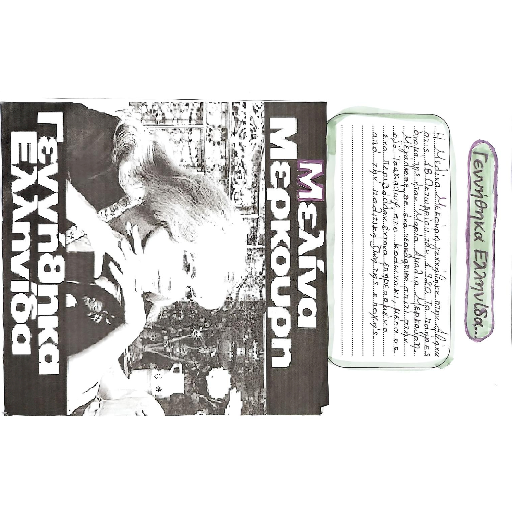
I was born
Greek!
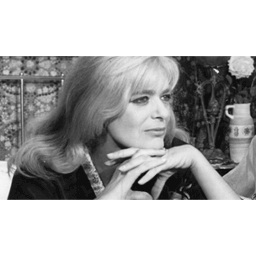
Melina Mercouri was born in Athens on October 18, 1920. Her full name was Maria Amalia Mercouri.
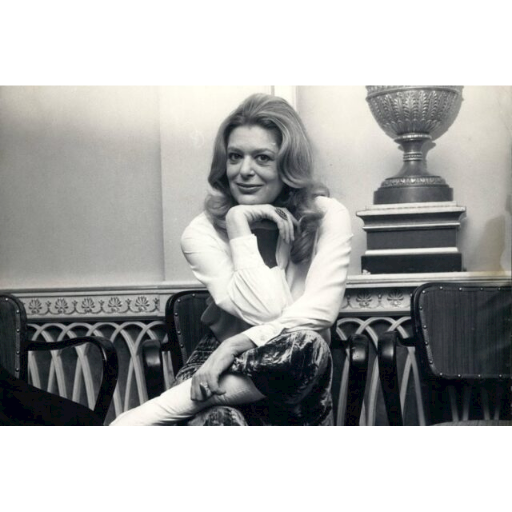
She grew up in a neoclassical house on Tsakalof Street in Kolonaki in Athens. In an environment strongly influenced by the political life of the time.
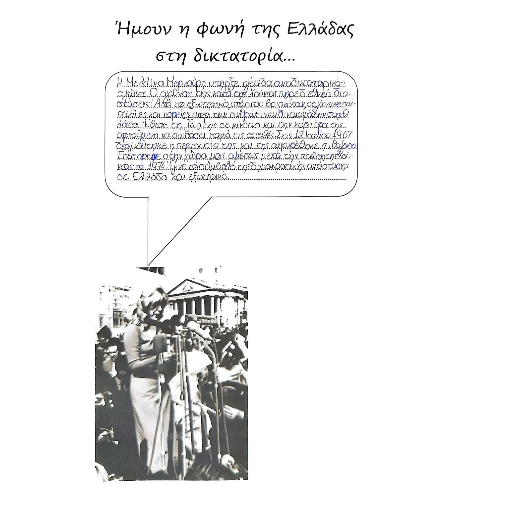
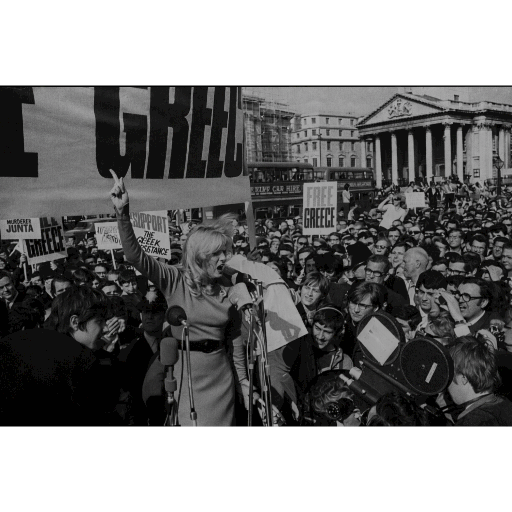
I was the voice of Greece during the dictatorship
Melina Mercouri was a leader of the anti-dictatorship movement. Her struggle against the junta gained international attention.
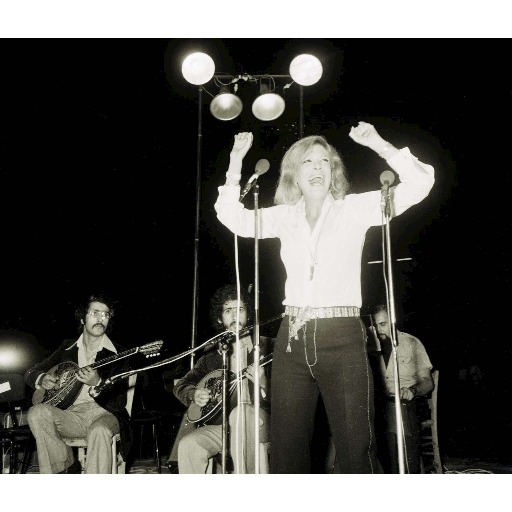
From abroad, where she was living, she organized concerts and marches in support of human rights in Greece.
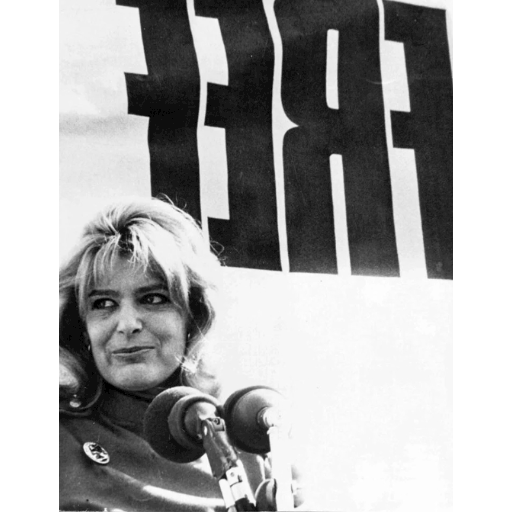
She put her life and career at risk by refusing to remain silent despite the threats. On July 12, 1967, her assets were frozen and her citizenship revoked. She returned to our country immediately after the fall of the junta in 1974. She became a symbol of democratic resistance in Greece and abroad.
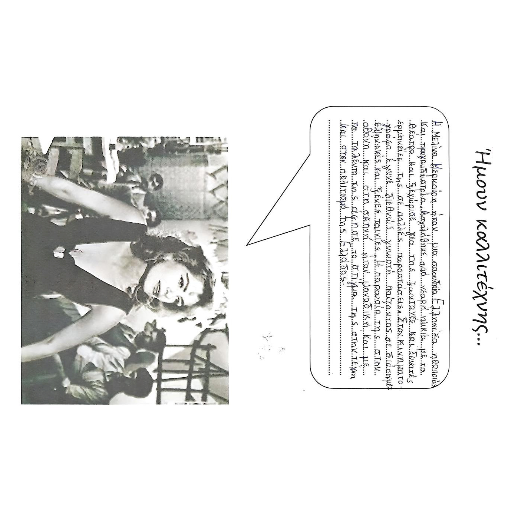
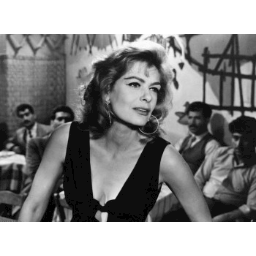
Melina Mercouri was a great Greek actress and singer
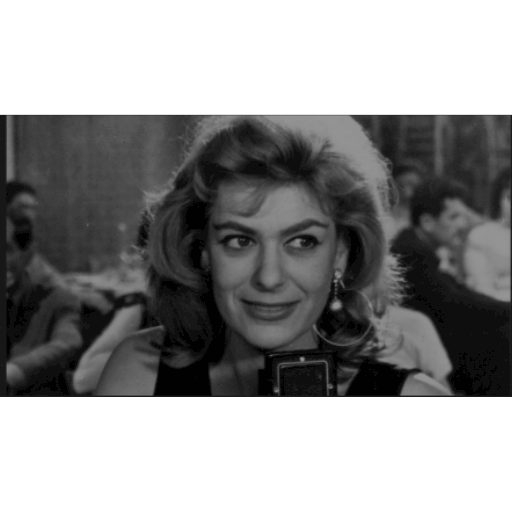
I was an artist!
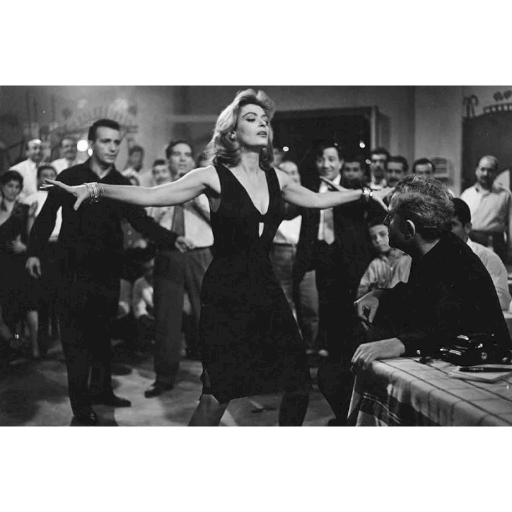
She was involved in theater from a young age and stood out for her lively and powerful performances in many productions.
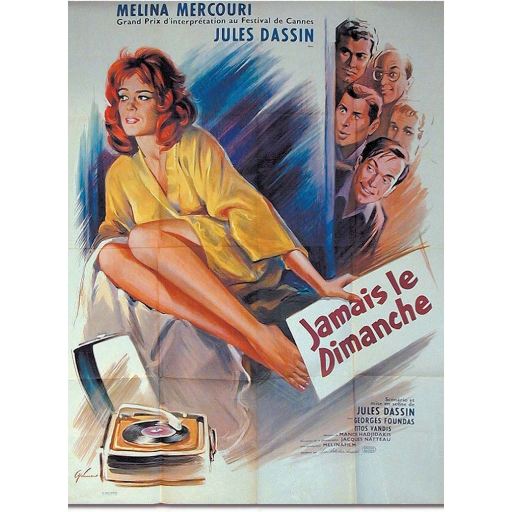
She became internationally known in cinema by acting in famous Greek and foreign films. Her performance in the film 'Never on Sunday' crowned her Winner of the Cannes Film Festival Awards as "Best Actress of the Year"
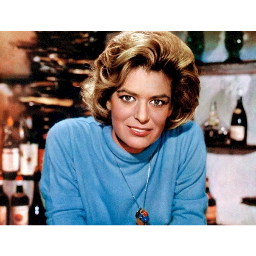
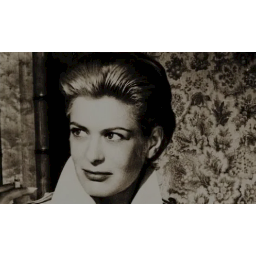
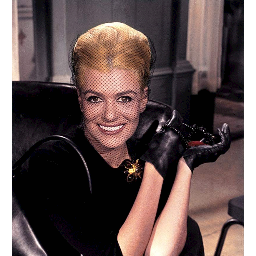
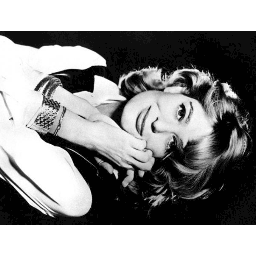
Her presence on screen and on stage was unique, and with her talent she left her mark on the art and culture of Greece.
I made Greek culture a global affair...
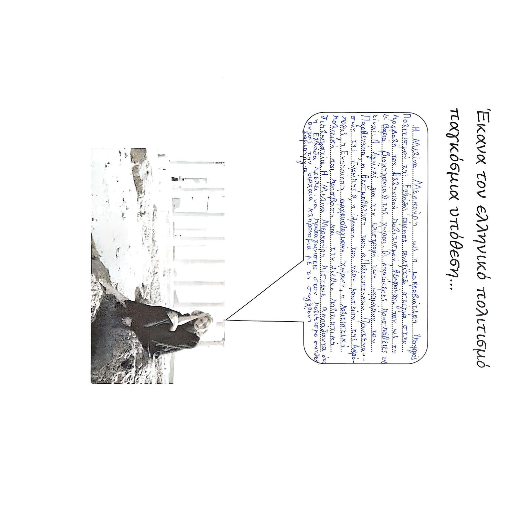
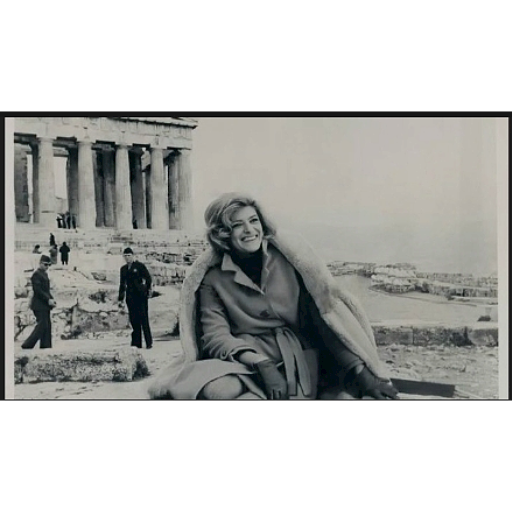
Melina Mercouri, as Greece’s longest-serving Minister of Culture, left an indelible mark on the promotion of Greek culture, which she regarded as the country’s “heavy industry.”
- Full access to our public library
- Save favorite books
- Interact with authors
- < BEGINNING
- END >
-
DOWNLOAD
-
LIKE(7)
-
COMMENT()
-
SHARE
-
SAVE
-
BUY THIS BOOK
(from $43.79+) -
BUY THIS BOOK
(from $43.79+) - DOWNLOAD
- LIKE (7)
- COMMENT ()
- SHARE
- SAVE
- Report
-
BUY
-
LIKE(7)
-
COMMENT()
-
SHARE
- Excessive Violence
- Harassment
- Offensive Pictures
- Spelling & Grammar Errors
- Unfinished
- Other Problem





COMMENTS
Click 'X' to report any negative comments. Thanks!