1.Safety net-Savings Accounts-Certificates of Deposit / CDs
2.Fixed Income – Bonds (Government Bonds and Debt Instruments) – DELIA CRISAN'S TEAM
3.Corporate Partnership – Stocks (Equities) – EVREN ABACI'S TEAM
4.Strength in Unity -Mutual Funds -ETFs / Exchange-Traded Funds HATİCE GÖKKOCA'S TEAM
5."Set and Forget" Strategy – Index Funds – ŞEYDA KAYAN ALTIPARMAKOĞLU'S TEAM
6.Real Estate – Property and Land Investment – ANA CRISTINA BOEOANCA'S TEAM
7.Commodities – Gold, Silver, and Raw Materials – NAZİK ÖZER'S TEAM
8.Digital Frontier – Cryptocurrencies – ERHAN ONAN'S TEAM
9.Venture Capital – Start-up and Private Equity Investments – NAZİK ÖZER's TEAM
10.The Most Valuable Asset – Human Capital (Investing in Yourself) – SEDAT GÜNGÖRMEZ' TEAM
11.Green Portfolio – Sustainable and Socially Responsible Investing – FERİDE B. GÜNAYS TEAM

PART 1
SESİM SARPKAYA FEN LİSESİ -İNSEL OLCAYTU'S TEAM
Safety Net:
Savings Accounts:
Certificates of Deposit (CDs):
Yağmur Ece T, Zeynep T. Ali Eren D , Nazlı K., Mustafa T., Omer D., Mertcan Y, Ahmet Buğra, Berra, Ecem, Ayşegül
Savings accounts allow money to be kept safely in a bank and usually let you withdraw money whenever you want. These accounts provide low interest rates, so they are mainly used to protect money and use it when needed. Time deposit accounts, on the other hand, require money to be kept in the bank for a fixed period of time.

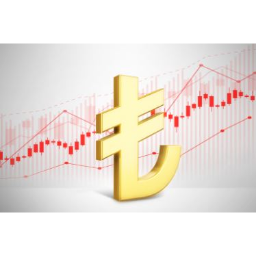
If the money is withdrawn early, there may be a loss of interest. However, these accounts offer higher interest rates compared to savings accounts. Therefore, time deposit accounts are more suitable for people who do not plan to use their money for a certain period.


What is a Bond?: A financial instrument where an investor lends money to an issuer for a defined period. In return, the issuer promises to pay back the original investment plus regular interest payments.
The Concept of Fixed Income: These instruments provide predictable, steady returns over time. Unlike stocks, bonds offer a fixed schedule of payments, making them a cornerstone of conservative investment strategies.
Key Terminology: Understanding Face Value, Coupon Rate, and Maturity Date is essential. The coupon rate determines the annual interest you receive, while the maturity date is when you get your initial principal back.
CHAPTER 2: Fixed Income – Bonds (Government Bonds and Debt Instruments) – Delia Crisan's Team
Government Bonds (The Safest Debt)
Definition & Purpose: Debt securities issued by national governments to fund public spending and infrastructure. Governments use these bonds to bridge the gap between tax revenues and national budget expenses.
The "Risk-Free" Benchmark: Generally considered the safest investments in the financial market. Because they are backed by the taxing power and money-printing authority of a country, the risk of default is extremely low.
Global Examples: Key instruments include US Treasuries, UK Gilts, and German Bunds. These specific bonds set the global standard for pricing other, riskier types of debt across the world.

https://www.magnific.com/search?format=search&last_filter=query&last_value=bank+building&query=bank+building
Other Key Debt Instruments
Corporate Bonds: Debt issued by companies to expand business operations or fund new projects. They offer higher interest rates than government bonds because corporations carry a higher risk of going bankrupt.
Municipal Bonds: Securities issued by local governments, cities, or states to finance local projects like schools or highways. A major attraction for investors is that the interest earned is often tax-exempt at the federal or local level.
Money Market Instruments: Short-term debt securities like Treasury Bills (T-Bills) and Commercial Paper. These instruments mature in less than a year, providing investors with exceptionally high liquidity and minimal risk.
https://encrypted-tbn0.gstatic.com/images?q=tbn:ANd9GcQBRjDeVCKIa3IcLzmiGmViazEe_k036uisuQ&s
CHAPTER 3-Corporate Partnership – Stocks (Equities) – EVREN ABACI'S TEAM
Team members: Arda D. , Berru T. , Hasan A. , Efe K. and Efehan K.
Stocks (a.k.a. equities) mean owning a small part of a company. When you buy a stock, you become a shareholder.
Companies sell stocks to get money. People buy stocks to earn profit.
There are two main ways to make money:
Stocks are easy to buy and sell. You can start with a small amount of money.
However, prices can change quickly. This means there is a risk of losing money.
In short: Stocks can help you grow your money, but they are risky.
What are STOCKS?

A corporate partnership is when two or more people start a business together.
Each partner:
• Gives money or skills
• Shares profit and loss
• Helps manage the business
Partners make decisions together. They have more control than stock investors.
This type of investment can bring good profit. But it also needs time, effort, and teamwork.
If partners disagree, the business can have problems.
In short: Partnerships give control, but they need responsibility and cooperation.


CHAPTER 4: Strength in Unity – Mutual Funds and ETFs – HATİCE GÖKKOCA'S TEAM
Tuğba, Selin Su, Göksu, Ela, Zeynep, Emine
🟦 STRENGTH IN UNITY
Smart Investing with Mutual Funds and ETFs
Today, investing is no longer just for the wealthy. It is possible to be part of big investments even with small savings. This is where the idea of “strength in unity” comes in. By combining their money, people can make stronger and larger investments.
🟩 What Are Mutual Funds?
Mutual funds are large investment pools created by combining money from many investors. These funds are managed by financial professionals.
Fund managers invest the money in different areas such as:Stocks, Gold, Bonds, Other financial asset's
🟦 Advantages
✔ Risk diversification (not dependent on a single asset)
✔ Managed by professionals
✔ Opportunity to invest with small amounts
✔ Easy and fast trading with ETFs
🟥 Disadvantages
✖ Management fees may apply
✖ Limited personal control over decisions
✖ Value can decrease due to market conditions
✖ ETF prices fluctuate during the day
Remember: Investing with the right knowledge is investing in your future.
CHAPTER 5: "Set and Forget" Strategy – Index Funds – ŞEYDA KAYAN ALTIPARMAKOĞLU'S TEAM
Our Team:
Çağan F.
Tuna O.
Melis M.
Büşra Ö.
Zeynep B.
SET AND FORGET STRATEGY – INDEX FUNDS
The “Set and Forget” strategy is a disciplined, long-term investment approach based on passive portfolio management. It involves making an initial investment decision and maintaining it over time without frequent trading or reacting to short-term market fluctuations. This approach helps investors avoid emotional decisions and reduces transaction costs.
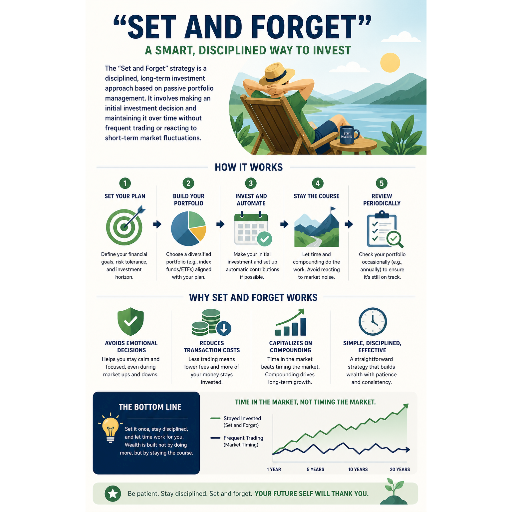
Index funds are the main instruments used in this strategy. They are designed to replicate the performance of a specific market index, providing broad diversification and market-level returns (beta) rather than attempting to outperform the market (alpha). Due to their passive structure, index funds typically have low expense ratios and high transparency.
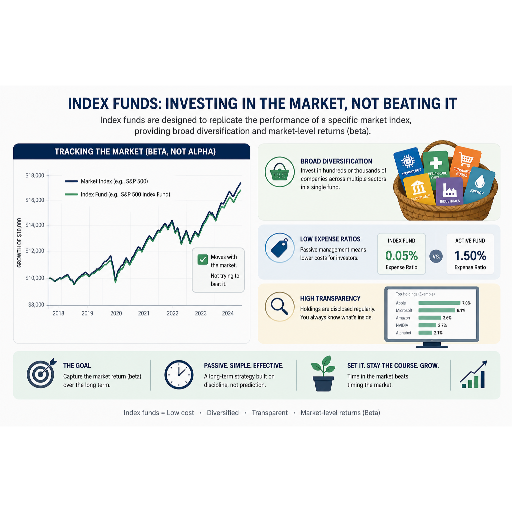
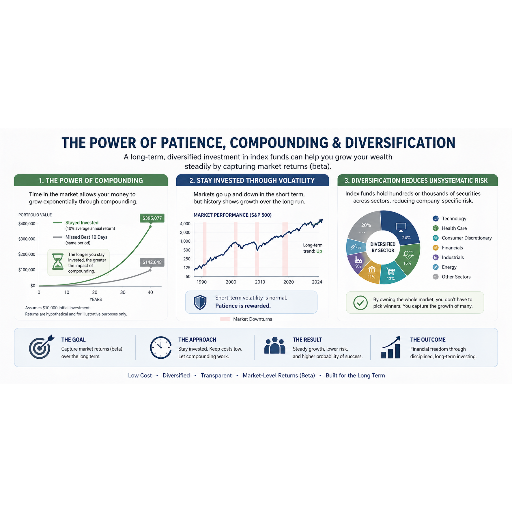
A key advantage of this strategy is the power of compounding. By staying invested for long periods, investors can benefit from steady growth despite short-term volatility. Additionally, diversification within index funds helps reduce unsystematic risk.

CHAPTER 6:Real Estate – Property and Land Investment – ANA CRISTINA BOCIOANCA'S TEAM
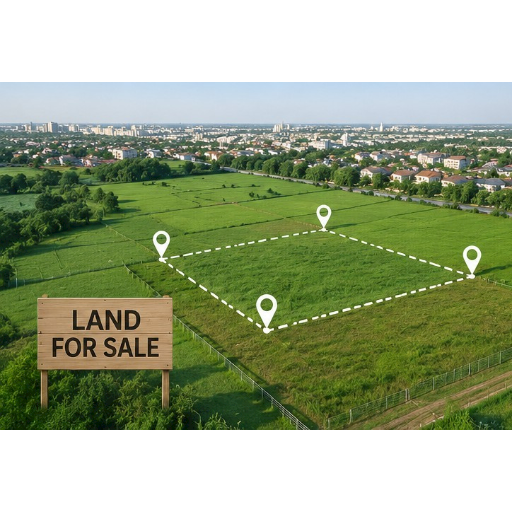
Real estate property and land investment is one of the most common ways to build wealth over time. People invest in houses, apartments, offices, or land because these properties often increase in value. Real estate can also provide a steady source of income through renting. Before making an investment, it is important to research the location, market prices, and future development plans. A good investment can offer both financial security and long-term profits.


Land investment is especially attractive because land is a limited resource. Many investors buy land in areas that are expected to grow in the future. As new roads, schools, shopping centers, and businesses are built, the value of the land usually increases. Although land investments may take time to generate profits, they are often considered safe and reliable. With careful planning and patience, investing in land can be an excellent way to achieve financial success.
CHAPTER 7: Commodities Gold, Silver, and Raw Materials
NAZİK ÖZER'S TEAM
Our Team:
Şahnan E.
Elif T.
Defne Ş.
Mert Rüzgar G.
Salim Tuna E.



What are commodities?
Commodities are raw materials extracted from nature or produced. For example:
• Gold, silver (precious metals)
• Oil, natural gas (energy raw materials)
• Wheat, corn, coffee, cotton (agricultural products)

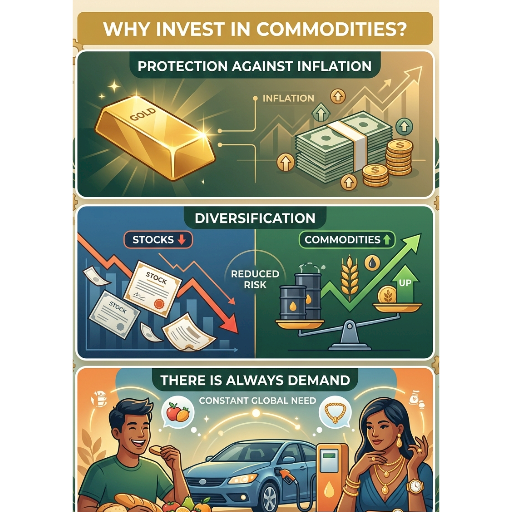
Why invest in commodities?
• Protection against inflation: When the value of money decreases (inflation), the price of commodities like gold usually rises.
• Diversification: While stocks may go down, commodities can go up. This way, you don't lose all your money.
• There is always demand: People eat food, drive cars (gasoline), and wear jewelry every day. That's why the need for commodities never ends.
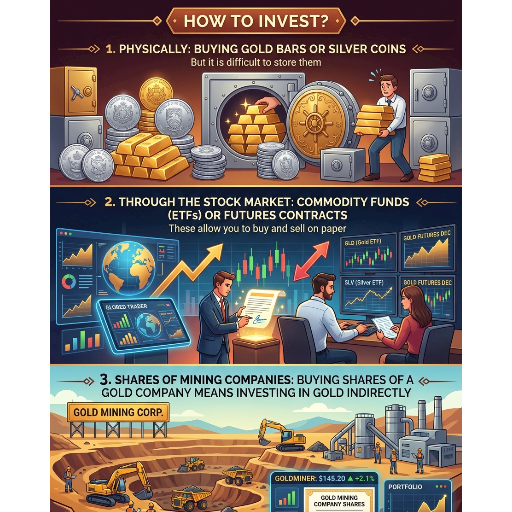
HOW TO INVEST?
• Physically: Buying gold bars or silver coins. But it is difficult to store them.
• Through the stock market: Commodity funds (ETFs) or futures contracts. These allow you to buy and sell on paper.
• Shares of mining companies: Buying shares of a gold company means investing in gold indirectly.
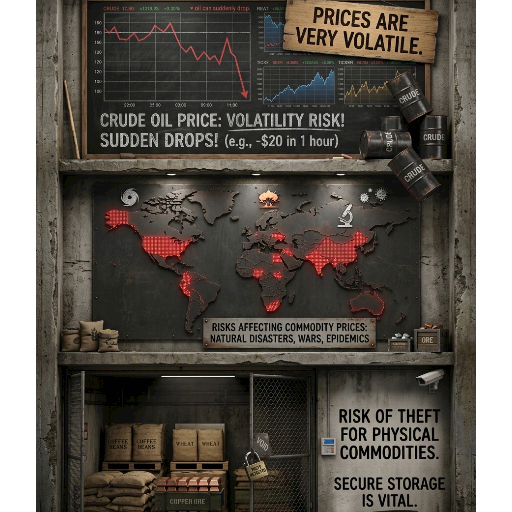
WHAT ARE THE RISKS?
• Prices are very volatile. For example, oil can suddenly drop.
• Natural disasters, wars, and epidemics affect commodity prices.
• If you buy physical commodities, there is a risk of theft.
CHAPTER 8- Digital Frontier – Cryptocurrencies – ERHAN ONAN'S TEAM
TEAM MEMBERS
ŞERİFE NURGÜL
ENES
ERAY
BENGİSU
DEFNE

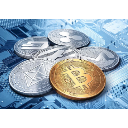
Digital Money: It is a purely virtual currency with no physical coins or bills.
No Banks: It operates on a decentralized network without any central authority or government.
Secure Tech: Advanced cryptography protects every transaction from fraud and hacking.
Public Ledger: All transfers are recorded on a transparent, unchangeable chain called a blockchain.
Direct Access: You can send value globally to anyone instantly without using an intermediary.
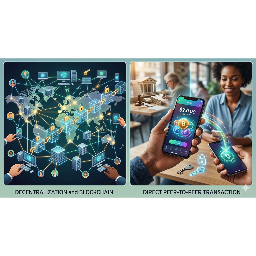
Digital money is a type of currency that exists only in electronic form and is used through devices like smartphones and computers. It includes online banking, mobile payments, and cryptocurrencies such as Bitcoin, which operate using blockchain technology, a secure and decentralized system for recording transactions. Digital money is fast, easy to use, and supports global transactions, but it also has risks like cybersecurity threats and unequal access to technology. Overall, it is becoming an important part of the modern economy.
Blockchain is a decentralized digital system that records transactions across many computers in a secure and transparent way. Each transaction is stored in blocks that are linked together, forming a chain that cannot be easily changed or deleted. This technology is used by cryptocurrencies like Bitcoin and helps increase security, trust, and transparency in digital financial systems.
CHAPTER 9:Venture Capital
Start-up and Private Equity Investments
NAZİK ÖZER's TEAM
Our Team:
Şahnan E.
Elif T.
Defne Ş.
Mert Rüzgar G.
Salim Tuna E.


VENTURE CAPITAL
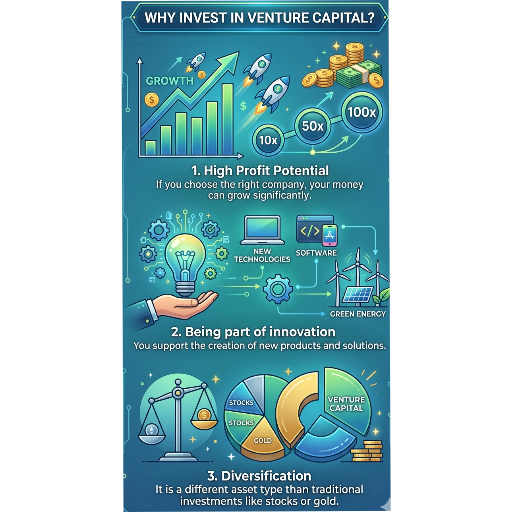
Venture capital is investing in newly established, growing companies (start-ups) that don't make much profit yet. The investor believes the company will become very valuable in the future, so they give a small amount of money now and become a partner. When the company grows, the investor can earn many times their original money.

Why invest in venture capital?
• High profit potential: If you choose the right company, your money can grow 10, 50, or even 100 times.
• Being part of innovation: You support new technologies, software, green energy, etc.
• Diversification: It is a different asset type than stocks or gold.
How to invest?
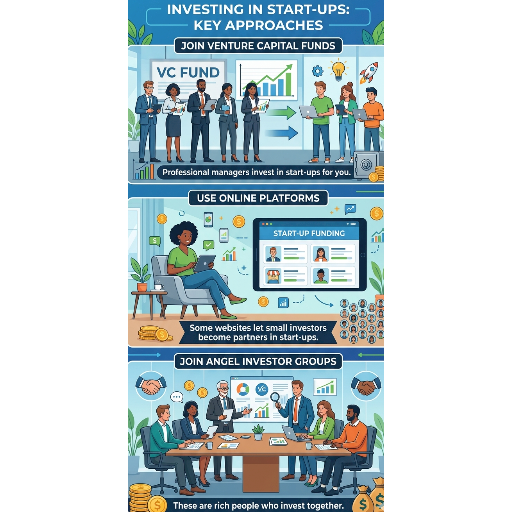
• Join venture capital funds: Professional managers invest in start-ups for you.
• Use online platforms: Some websites let small investors become partners in start-ups.
• Join angel investor groups: These are rich people who invest together.
What are the risks?
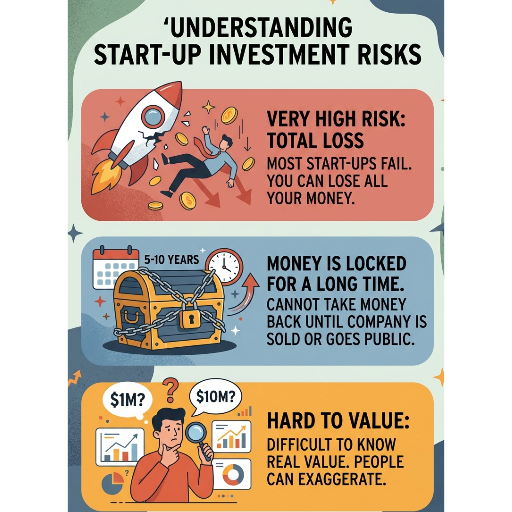
• Very high risk: Most start-ups fail. You can lose all your money.
• Your money is locked for a long time: You cannot take your money back until the company is sold or goes public (usually 5–10 years).
• Hard to value: It is difficult to know a start-up's real value. People can exaggerate.
CHAPTER 10:The Most Valuable Asset – Human Capital (Investing in Yourself) – SEDAT GÜNGÖRMEZ' TEAM
Egemen Çelik
Nefes Nehir Nenni
Nursima Kazarel
Melike Elmas
Yağmur Tokdaş
İremsu Yıldırım
Fadime Homak
Amine Sude Gökçel
Elif Sena Şimşek
Human Capital refers to the collection of skills, knowledge,health,experiences possessed by an individual.When we talk about "investing in yourself,"we are treating our own minds and bodies like a business. Just as a company buys better equipment to work more efficiently,a person "upgrades"themselves through education, practicing new languages, or learning digital skills. This is the most reliable form of investment since, your knowledge can't be stolen, and it doesn't disappear during an economic crisis.


The beauty of investing in yourself early—especially as a student—is that it benefits from compounded growth. Every new skill you learn makes the next one easier to acquire. For example, learning a second language doesn't just allow you to communicate; it improves your cognitive flexibility and opens up global job markets that were previously closed to you. Similarly, learning to code or understand financial markets provides a foundation that grows more valuable over time. The "returns" on these investments aren't just paid out in higher salaries later in life, but also in the form of confidence, independence, and the ability to solve complex problems.
On a societal scale, investing in people builds Social Capital, strengthening the entire economy. Through mentorship and collaboration, we create a resilient network of high-value individuals. By prioritizing health and lifelong learning, we ensure that the workforce remains creative and adaptable. Ultimately, the most successful people in the future economy won’t just be those with the most financial wealth, but those who never stop being "students" of the world.
CHAPTER 11: Green Portfolio – Sustainable and Socially Responsible Investing – Feride Bayram Günay
Mustafa Efe...
Muhammed Efe...
Ekrem...
Green Portfolio: The Engine of Eco-Friendly Growth
A Green Portfolio is a key tool for moving the world away from fossil fuels. It is not just about "loving nature"; it is a smart way to manage financial risk. These portfolios invest in smart cities, recycling models, and green tech. The main goal is to support companies that are ready for future laws, like carbon taxes. By investing here, you protect your money from the financial shocks of environmental crises. It rewards efficient companies and helps change the stock market for the better.


SRI: Making Capital Work for Society
Socially Responsible Investment (SRI) goes beyond just making a profit. it uses money to improve society. Decisions are based on more than just balance sheets. Investors look at how a company treats its workers, protects data, and fights corruption. This approach turns the investor into a "watchdog." It forces companies to be more honest and transparent. In the end, SRI helps build a fair world where your investments can grow safely.

Sustainable Investment: Saving the Future
Sustainable investment looks at how a company treats the world, not just its bank account. Think of it like picking fruit without hurting the tree. The goal is to protect nature and energy for the next generation. It creates a balance where both the investor and the planet win. Simply put, it is the art of making money without "spending" the future.

Socially Responsible Investment (SRI): Investing with Conscience
This type of investment is all about your personal values. Instead of giving money to harmful industries like weapons or tobacco, you choose companies that respect human rights and worker health. The investor asks: "What is my money actually doing?" It is a way to use your financial power to support the changes you want to see in the world.



REFERANCE
1.Tyson, E. (2024). Investing For Dummies. Wiley.
2.Rahman, L. (2025). The Sovereign Debt Investor. Wiley.
3.Baker, H. K., Filbeck, G., & Kiymaz, H. (2017). Mutual Funds and Exchange-Traded Funds: Building Blocks to Wealth. Oxford University Press.
3.Hebner, M. T. (2024). *Index Funds: The 12-Step Recovery Program for Active Investors*. Ballast Books.
4.Day, A. (2011). Investing in Resources: How to Profit from the Outsized Potential and Avoid the Risks. Wiley.
- < BEGINNING
- END >
-
DOWNLOAD
-
LIKE
-
COMMENT()
-
SHARE
-
BUY THIS BOOK
(from $8.79+) -
BUY THIS BOOK
(from $8.79+) - DOWNLOAD
- LIKE
- COMMENT ()
- SHARE
- Report
-
BUY
-
LIKE
-
COMMENT()
-
SHARE
- Excessive Violence
- Harassment
- Offensive Pictures
- Spelling & Grammar Errors
- Unfinished
- Other Problem





COMMENTS
Click 'X' to report any negative comments. Thanks!