“Preservar o património cultural garante que as futuras gerações possam aprender e apreciar a história e as tradições que moldaram a sua sociedade.” Citalia Restauro

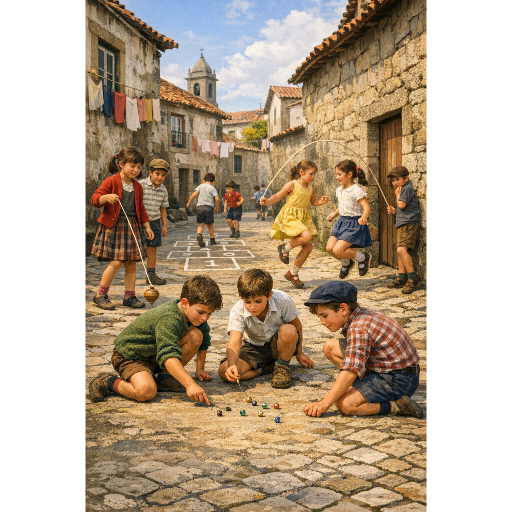
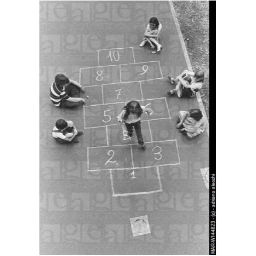
In the past, traditional street games were an important part of childhood in Portugal. Children used to spend hours playing outside with their friends in the streets, parks, or schoolyards. Games like marbles, spinning tops, skipping rope, hopscotch, and hide-and-seek were very popular. These activities did not require expensive toys or technology—only imagination and friends.
Until the early 2000s, it was common to see groups of children playing together after school.
These games helped develop creativity, physical skills, and social interaction. Older children often taught the younger ones how to play, which helped pass the tradition from one generation to another.
However, today these traditional games are becoming less common. One of the main reasons is the rise of technology. Many children now spend their free time playing video games, watching videos, or using smartphones and social media. In addition, parents are often more concerned about safety, so children spend less time playing outside. Modern lifestyles are also busier, with more structured activities and less free time.
As a result, traditional street games are slowly disappearing. Although some schools try to promote them during physical education classes, they are no longer a regular part of daily life. This change shows how technology and modern society are transforming childhood experiences in Portugal.
Vanishing Traditions in Portugal
Portugal has many beautiful traditions that show its history, culture, and strong sense of community. However, over time, some of these traditions have started to disappear. Modern technology, busy lifestyles, and migration to cities have changed the way people live. As a result, some cultural practices are no longer as common as they used to be.
One tradition that is disappearing is communal farm work, known as “entreajuda.”
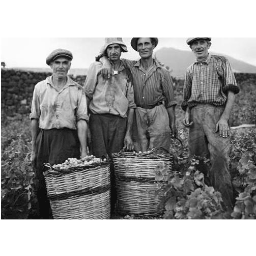
In the past, people in rural villages helped each other with farming tasks such as harvesting crops, planting fields, or building houses. This cooperation created strong bonds between neighbors and made communities feel united. Today, agriculture is more mechanized, and many people have moved to urban areas. Because of this, this type of daily cooperation is much less common.
Proverbs and Traditions
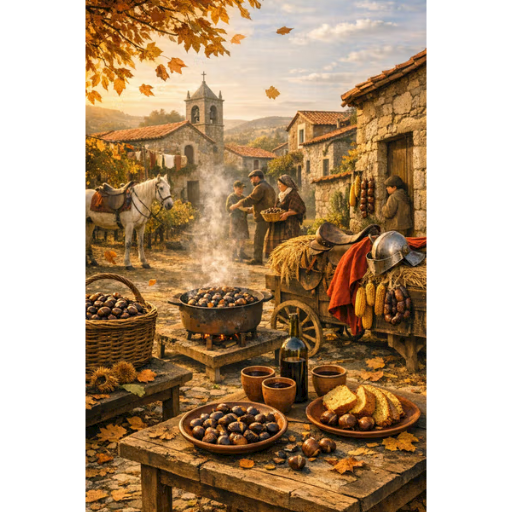
The proverb we chose was “verão de São Martinho são 3 dias e mais um bocadinho," which translated is "Saint Martin’s summer is 3 days and a little bit more."
This Portuguese proverb, “Verão de São Martinho são três dias e mais um bocadinho," refers to a short period of warm and pleasant weather that often occurs around Saint Martin’s Day (November 11).
Proverbs and Traditions
This phenomenon is popularly known as “St. Martin’s Summer.” The saying suggests that this brief return of mild temperatures usually lasts only a few days before the colder autumn weather returns.
The proverb is especially associated with the northern region of Portugal, particularly the Minho region. In Minho, Saint Martin’s Day is traditionally celebrated with gatherings where people eat roasted chestnuts and drink new wine from the recent harvest. The temporary warm weather during this time became part of local folklore and rural wisdom, giving rise to the expression that St. Martin’s Summer lasts “three days and a little bit more.”
Proverbs and Traditions
In England and especially in German-influenced countries, Saint Martin's Day, or Martinmas, has his own proverb, though with a very different meaning. The proverb goes, "Every HOG has his Saint Martin." Like hogs that meet their destined slaughter at St. Martin’s Day, everything and everyone eventually reaches a moment of reckoning.
A proverb more closely associated with the fate of human beings than with the good fortune of having a few spring-like days as winter approaches.
Proverbs and Traditions
Global Variations
While Portugal has its specific saying, the phenomenon is recognized across the world under different names:
Region Name Timing
UK / Commonwealth St. Luke’s Little Summer Late October
USA / Canada Indian Summer Post-frost (Oct/Nov) Germany Altweibersommer Late September
Portugal / Spain / Italy
Verão de São Martinho Around Nov 11
Proverbs and Traditions
“Should this tradition continue?”
Dear future generations,
We are writing this letter to talk about an important tradition that is part of Portuguese culture and family life: the Christmas Eve dinner, known in Portugal as "Consoada." This tradition takes place on the night of December 24th, when families gather around the table to share a special meal together. The traditional dish is usually “Bacalhau” (salted codfish) served with potatoes, cabbage, and olive oil, although some families may have other traditional foods depending on their region.
This tradition is very important because it represents family unity, sharing, and gratitude.
During this night, people stop their daily routines and spend time with their families. Many relatives who do not see each other during the year come together on this night. It is not only about the food but also about the conversations, the stories, the laughter, and the memories that are created during these moments.
Traditions like this help keep culture and identity alive. They connect generations and remind people of where they come from.
When families repeat the same traditions every year, they create a sense of belonging and continuity. Younger generations learn values such as respect, generosity, and the importance of family.
In the future, we believe this tradition should continue, but it may also adapt to modern life.
.
Today, families sometimes live far from each other or even in different countries. Because of that, technology such as video calls and online communication can help families stay connected and celebrate together even when they are not physically in the same place.
Our hope is that future generations will continue to value these traditions, protect them, and share them with others.
Traditions are not only memories from the past; they are also a way to bring people together and create meaningful moments that will be remembered for many years.
Sincerely,
Maria and Mariana
.
Dear future generations,
I would like to share a traditional proverb from the Minho region in Portugal related to St. Martin’s Day (São Martinho).
A famous saying is "No dia de São Martinho, vai à adega e prova o vinho.” In English, it means, "On St. Martin’s Day, go to the cellar and taste the wine.”
This proverb refers to a popular tradition celebrated on November 11th. During this time, families and friends gather to celebrate the new wine of the year. People drink young wine and spend time together.
The celebration is simple but meaningful. It represents gratitude for the harvest, friendship, and community.
.
It also reminds us of the connection between people and nature.
In today’s fast world, people sometimes forget these small traditions. But proverbs like this carry wisdom from past generations. They teach us about patience, nature, and enjoying life’s simple moments.
I hope that in the future people will still celebrate St. Martin’s Day and remember the meaning behind this proverb. Traditions like these help keep culture alive and connect generations.
Best wishes,
Carolina and Leonor
Dear future generations,
I want to tell you about a famous Portuguese symbol called the Rooster of Barcelos.
According to a popular legend, a pilgrim was wrongly accused of a crime and sentenced to death.
Before his execution, he asked to speak to the judge. The judge was eating a roasted rooster, and the pilgrim said that the rooster would crow to prove his innocence. Surprisingly, the roasted rooster stood up and crowed. Because of this miracle, the pilgrim was saved.
Today, the Rooster of Barcelos became a symbol of faith, justice, and luck in Portugal. You can see colorful rooster figures made of ceramic or clay, often decorated with bright patterns and hearts.
These objects are part of traditional Portuguese handicrafts.
Even though it is a simple decorative object, it tells a story about Portuguese culture, beliefs, and creativity. Crafts like this also support local artists and keep traditional art alive.
In the modern world, many handmade traditions are disappearing because of mass production.
However, traditional objects like the Rooster of Barcelos represent our identity and history.
I hope that people in the future will continue to value traditional crafts and remember the story behind this symbol.
Maria, Mariana
Maria, Mariana/Manuela Paredes/AEFH/Portugal
- < BEGINNING
- END >
-
DOWNLOAD
-
LIKE
-
COMMENT()
-
SHARE
-
BUY THIS BOOK
(from $4.39+) -
BUY THIS BOOK
(from $4.39+) - DOWNLOAD
- LIKE
- COMMENT ()
- SHARE
- Report
-
BUY
-
LIKE
-
COMMENT()
-
SHARE
- Excessive Violence
- Harassment
- Offensive Pictures
- Spelling & Grammar Errors
- Unfinished
- Other Problem






COMMENTS
Click 'X' to report any negative comments. Thanks!