



To curious readers who ask big questions and wonder about the world around them.
May this book take you on a journey through history and inspire you to learn about different people, places, and perspectives. As you travel through the alphabet, remember that every question can lead to a new discovery.
Keep reading, keep wondering, and keep learning. There are so many stories waiting for you!

is for Adventurer
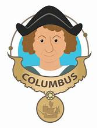
Long ago, a sailor named Christopher Columbus dreamed of traveling across the sea. His plans would lead him across the Atlantic Ocean and into history.


is for Beginning
Columbus’s story began in 1451 in Genoa, a city in present-day Italy. Its busy harbor was filled with ships coming and going.


is for Christopher

Christopher Columbus became a sailor and a navigator. A navigator helps plan and follow the route of a ship.

is for Destination

Columbus wanted to reach Asia, where merchants traded valuable goods. He believed sailing west from Europe would take him there.

is for Equipment

A long ocean trip required careful preparation. Sailors needed navigation tools, food, fresh water, and supplies to keep their ships sailing.


is for Ferdinand

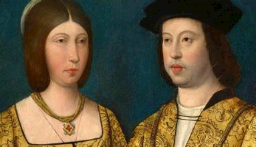
King Ferdinand and Queen Isabella of Spain agreed to support Columbus’s voyage. With their help, he could prepare for his journey.

is for Getting Ready

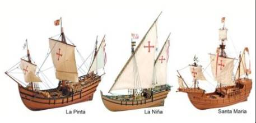
The crew loaded supplies and prepared three ships: the Niña, the Pinta, and the Santa María. Soon, it would be time to leave the harbor.

is for Heading West

In 1492, Columbus and his crew sailed west from Spain. Ahead of them stretched the enormous Atlantic Ocean.


is for Islands

Columbus hoped to reach Asia, but Caribbean islands lay along his path. These islands were already home to Indigenous communities.

is for Journey

Day after day, the ships continued across the ocean. The sailors worked together as the wind pushed their sails.

is for Keeping Course

Finding the way across the sea took skill. Columbus and the sailors used navigation tools and observations to help keep their course.

is for Land

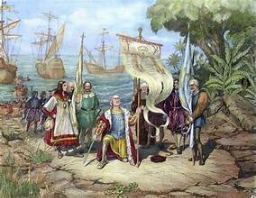
On October 12, 1492, the expedition reached an island in the Bahamas. After weeks at sea, the crew had arrived at land.

is for Meeting

On the island, Columbus encountered Indigenous people. He was arriving in a place where people already had homes, families, and traditions.


is for Names

The island was known as Guanahani. Columbus called it San Salvador, giving a new name to a place that already had one.

is for Other Communities

Beyond that island were many other Caribbean communities. Each had its own history, leaders, and ways of life.

is for People

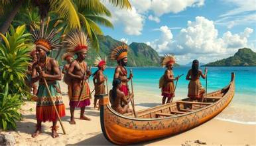
The Taíno people were skilled farmers, navigators, and artists. Their communities had existed long before Columbus arrived.

- Full access to our public library
- Save favorite books
- Interact with authors

- < BEGINNING
- END >
-
DOWNLOAD
-
LIKE
-
COMMENT()
-
SHARE
-
SAVE
-
BUY THIS BOOK
(from $5.39+) -
BUY THIS BOOK
(from $5.39+) - DOWNLOAD
- LIKE
- COMMENT ()
- SHARE
- SAVE
- Report
-
BUY
-
LIKE
-
COMMENT()
-
SHARE
- Excessive Violence
- Harassment
- Offensive Pictures
- Spelling & Grammar Errors
- Unfinished
- Other Problem

COMMENTS
Click 'X' to report any negative comments. Thanks!