 Dedicated to the incoming 7th graders.
This book was created and published on StoryJumper™
©2014 StoryJumper, Inc. All rights reserved.
Publish your own children's book:
www.storyjumper.com

sdfsdenter text here
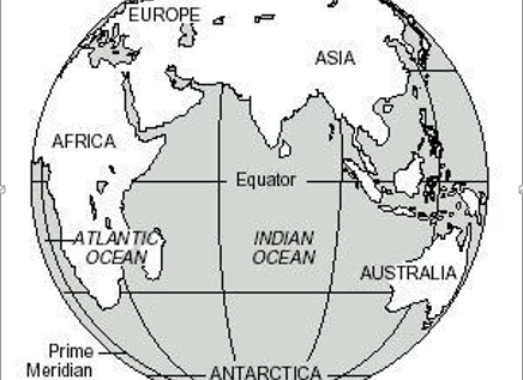
Geography Learning Objectives
* I can identify and locate the countries of Africa, Asia, and the Pacific.
* I can locate cities using longitude and latitude.
* I can explain how ocean currents and wind influence climate.
Continents
* These are the different types of continents.
* North America
* South America
* Europe
* Antarctica
* Africa
* Asia
* Australia
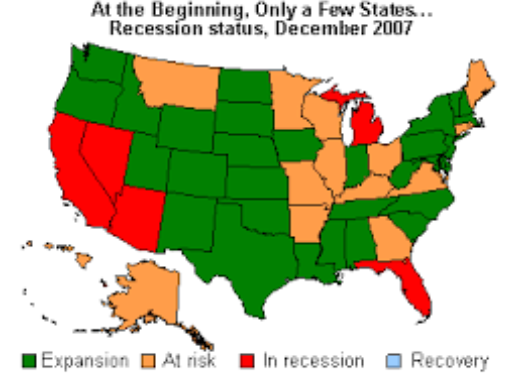
Economies Learning
Objectives
* I can explain how voluntary trade benefits
countries.
* I can explain the difference between
traditional, command, and market economic
systems.
Ways to Measure
an Economy
* GDP - Measure of all goods and services
produced in a country in one year
* GDP per Capita - GDP divided by population;
average amount of money made per person
* Standard of living - Measurement of a
country’s education, housing, health, and
nutrition.
There is also different types of economies.
There is
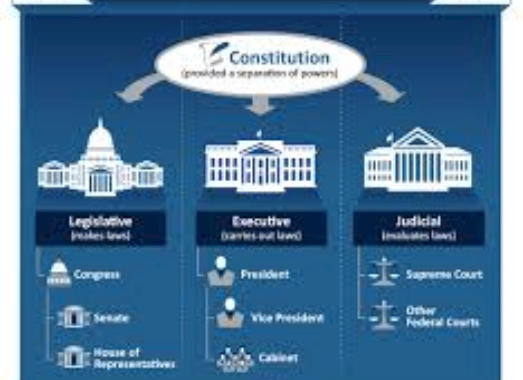
Government
* I can compare modern governments.
* I can identify the functions of international
organizations.
* I can define citizenship and the citizen’s role
in different governments.
What is
Government
* Government is Organization that sets up and
enforces laws
* Why do we need government?
- To protect people
- To protect people’s rights
- To resolve conflicts within the country and
with other countries
* There are 100’s of different types of
governments, most fit into the following
categories.
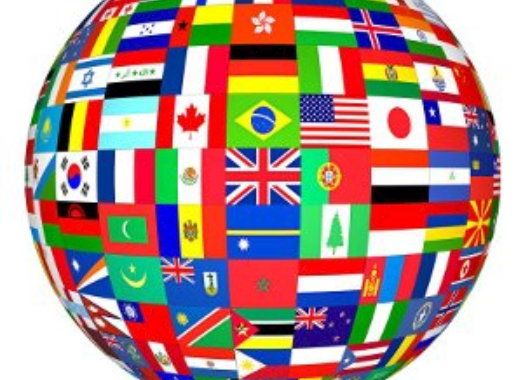
Culture and Religion Learning Objectives
* I can describe the development and
transmission of culture over time.
* I can define the term ethnocentrism.
* I can describe the central beliefs of major
religions.
What is culture
* The way of life of a group of people, Parts of
culture include:
* Beliefs, Customs, Ideas, ways of doing things,
Homes, Food, Clothing, Sports, Literature/art,
Religion, Government, Language.
Cultural Change
Cultural diffusion — the movement of customs
and ideas. Example: Baseball started in U.S. but
has spread throughout the world
Acculturation — process of accepting new ideas
and fitting them into a culture. Example:
Baseball in Japan can end in a tie because they
value how they played rather than who wins
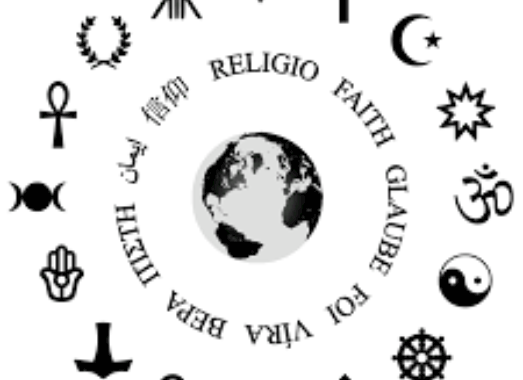
Religion
* Five major world religions: Judaism, Christianity, Islam, Hinduism, and Buddhism
* Religion helps people make sense of the world
* Religion also helps people understand the meaning and purpose of life
* Religions of the world have many common traits. Expectation to treat one another
well and to behave properly, Prayers and rituals Celebrate important holidays,
places, and times. Examples of religion are:
Judaism
Monotheistic, Followers: 14 million, Started 1800 B.C.E., Followers are called Jews
Founder is Abraham, Holy book is called Torah, God is called Yaweh, Place of worship
is a Synagogue, Started in Southwest Asia (Jersalem, Israel)
Major beliefs are: 10 Commandments, First major religion to believe in only one god
Islam
Monotheistic, Followers: 1.5 billion, Started 610 C.E., Followers are called Muslims
Founder is Muhammad, Holy book is called Qur’an (English translation is Koran), God
is called Allah, Place of worship is mosque, Started in Southwest Asia (Jerusalem,
Israel), Major beliefs are: 5 Pillars of Islam, Holy month of Ramadan (fast from
sunrise to sunset)
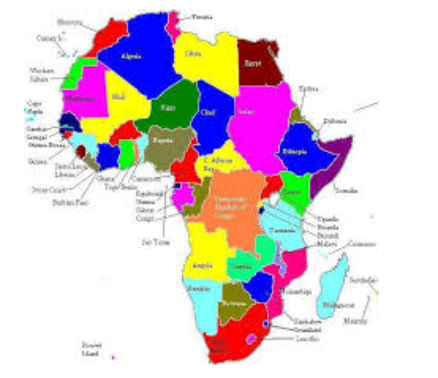
Africa
Key terms:
* Plateau–large, raised areas of mostly level
land
* Elevation–height above sea level
* Rift–a deep crack in the earth’s surface
* Tributary–a river or small stream that flows
into a much larger river
* Fertile–rich in the substances that plants need
to grow
Africa's Continent: * Includes more than 50
countries (53 or 54), * Divided into regions. 1.
North Africa, 2. West Africa, 3. East Africa,
4. Central Africa, 5. Southern Africa
4 major rivers: * Carry water from the
mountain to the sea, 1. Nile River, 2. Congo
River, 3. Zambezi River, 4. Niger River.
Majority of the cities are located on the
rivers.
enter text here
North Korea
Mao Zedong: * Leader of Communist Party of
China. * Gained large number of supporters
during a large pro communist rally. *
Movement was called “The Long March” because
they marched from town to town.
Cultural Revolution: * He wants to create a
“brand new” China with no ties to the past.* He
targets rich upper class of China to complete
China’s transformation to communism
Cultural Revolution: * He encouraged students to
rebel against teachers, parents, and adults. *
No capitalism or free market economics. * No
traditional Chinese cultures or religions. *
Instead of organized religion they had organized
Communist Party Meetings where they bad-
mouthed America and Europe. * Those who did not
confirm to Mao’s rules would be “cleansed” of
their problems. * Put into labor camps or jail.
You've previewed 15 of 24 pages.
To read more:
Click Sign Up (Free)- Full access to our public library
- Save favorite books
- Interact with authors


- < BEGINNING
- END >
-
DOWNLOAD
-
LIKE(1)
-
COMMENT()
-
SHARE
-
SAVE
-
BUY THIS BOOK
(from $4.79+) -
BUY THIS BOOK
(from $4.79+) - DOWNLOAD
- LIKE (1)
- COMMENT ()
- SHARE
- SAVE
- Report
-
BUY
-
LIKE(1)
-
COMMENT()
-
SHARE
- Excessive Violence
- Harassment
- Offensive Pictures
- Spelling & Grammar Errors
- Unfinished
- Other Problem





COMMENTS
Click 'X' to report any negative comments. Thanks!