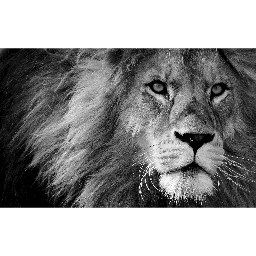
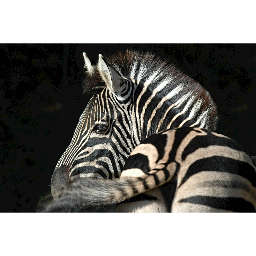

Wolves and deers share a relationship of prey and predator. Wolves are predators because they are the hunters, by wearing out and killing their prey. Deers are the prey because they are the ones getting hunted and eliminated by the wolves.
vs


Producer
Grass(Autotrophs)
Primary Consumer
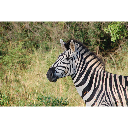
Zebra(Prey)
Herbivore
Final Consumer
Lion(Predator)
Carnivore
Decomposer
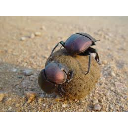
Dung Beetle


Changes in the Food Chain Population
If one population were to change in a food change it would have a chain reactions. For example, if the dung beetles go through emigration then they would not do their role of decomposing the lions waste, or carcass, in effect this would lead to end of the food chain. In other words the chain would not be able to continue and start all over.
Factors that Affect the Population
Positive Negative
-high birth rates -high death rates
-high amount of resources -low resources
-lack of predators -too many predators
-immigration -emigration
-natural disasters

Biodiversity in Savanna
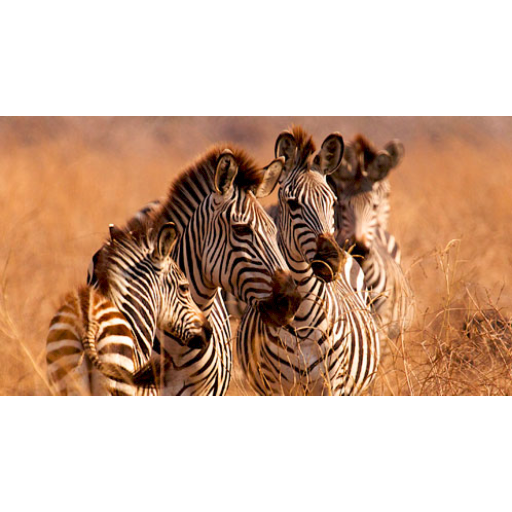
covered with a vast of acacia trees is the savanna. And living among it are various species, starting from the vicious lion to the meek Zebra. ALSO POPULAR ANIMALS ARE Elephants, Giraffes, crocodiles, and gazelles. many of these animals are always by water holes where they spend most of their days hunting for food and quenching their thirst.
Changes in Biodiveristy Ecosystem
If one biodiversity factor would to change it would most likely have a negative impact, Factors such as overexploitation, climate change, pollution, habitat loss, and invasive species. If one were to occur it would such as habitat loss they changes would be drastic. not only would animals loose their homes but removing high amounts of resources from the environment.

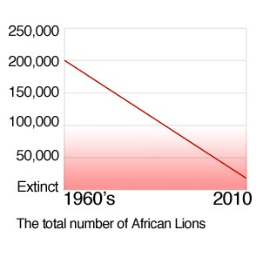
In the following graph this is expressing changes exponentially, since it does does not grow out steadily and reaches a plateau. This also means it does not have carrying capacity. This falls under exponential growth because even though it is not always increasing, it's decreasing and does not have carrying capacity.
citations
-Sartore, Joel. “African Lion | National Geographic.” National Geographic, National Geographic, 21 Sept. 2018, www.nationalgeographic.com/animals/mammals/a/african-lion/.
-“Plains Zebra.” National Geographic, National Geographic, 21 Sept. 2018, www.nationalgeographic.com/animals/mammals/p/plains-zebra/.
-“Dung Beetles Roll With It.” National Geographic, National Geographic Society, 4 Oct. 2016, news.nationalgeographic.com/2015/04/150418-insects-dung-beetles-animal-behavior-navigation/.
-“Protecting Wildlife and Providing a Bright Future for Africa's People.” African Wildlife Foundation, 12 Dec. 2018, www.awf.org/where-we-work.
- Full access to our public library
- Save favorite books
- Interact with authors

- < BEGINNING
- END >
-
DOWNLOAD
-
LIKE
-
COMMENT()
-
SHARE
-
SAVE
-
BUY THIS BOOK
(from $2.99+) -
BUY THIS BOOK
(from $2.99+) - DOWNLOAD
- LIKE
- COMMENT ()
- SHARE
- SAVE
- Report
-
BUY
-
LIKE
-
COMMENT()
-
SHARE
- Excessive Violence
- Harassment
- Offensive Pictures
- Spelling & Grammar Errors
- Unfinished
- Other Problem

COMMENTS
Click 'X' to report any negative comments. Thanks!