
This book is for young children who want to learn about what makes earthquakes happen.


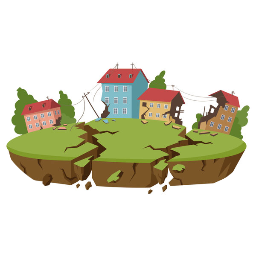
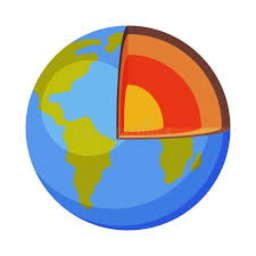
The focus of an earthquake is the place under Earth's surface where rocks under pressure move and break. The breaking and moving of the rocks is what makes earthquakes start. The energy of earthquakes comes from seismic waves from the focus of the quake. The energy causes the surface to vibrate. Seismic waves have three main parts. S waves, P waves, and surface waves.


The point above the focus is called the epicenter. Most earthquakes start close too earths surface, not too far down. Magnitude is what earthquakes are measured in. When scientists measure how big the earthquake is, they use a tool called a seismograph. The scale most are based on was the Richter scale.


The movements of the ground, such as tension, compression, and shearing. Take a long time to make a noticeable change. Tension is when the crust pulls apart. Compression is two things pushing together. Shearing is pushing rocks in opposite ways, sliding together like when you rub your hands together.


Faults happen when big pieces of Earth’s top layer push, pull, or slide past each other underground. When the rocks are squeezed too hard, they crack and move, making a fault. Some faults happen when rocks pull apart, called normal faults, some happen when they hit each other, and some when they slide side to side. The movement of faults can cause earthquakes because energy is released when the rocks slip. Faults help scientists realize how Earth’s surface changes over time and why mountains, valleys, and earthquakes happen.


Plate movement makes new land features when Earth’s giant plates slowly move and change the surface of the planet. When plates crash together, they can push up mountains. When plates pull apart, they can form valleys. Some plates slide past each other, creating cracks called faults that can cause earthquakes. Over many years, the plate movements have shaped Earth into many different landforms, such as mountains, islands, and deep ocean valleys or trenches.

- Full access to our public library
- Save favorite books
- Interact with authors

- < BEGINNING
- END >
-
DOWNLOAD
-
LIKE
-
COMMENT()
-
SHARE
-
SAVE
-
BUY THIS BOOK
(from $2.99+) -
BUY THIS BOOK
(from $2.99+) - DOWNLOAD
- LIKE
- COMMENT ()
- SHARE
- SAVE
- Report
-
BUY
-
LIKE
-
COMMENT()
-
SHARE
- Excessive Violence
- Harassment
- Offensive Pictures
- Spelling & Grammar Errors
- Unfinished
- Other Problem

COMMENTS
Click 'X' to report any negative comments. Thanks!