Dedicated to the children reading this book.

The Periodic Table
The periodic table is a table of chemicals put in order by their numbers. Usually they are put in rows or columns. The reason behind this is because they are similarly made. The periodic table is separated into 3 groups.
*Metals
*Non-metals
*Metalloids

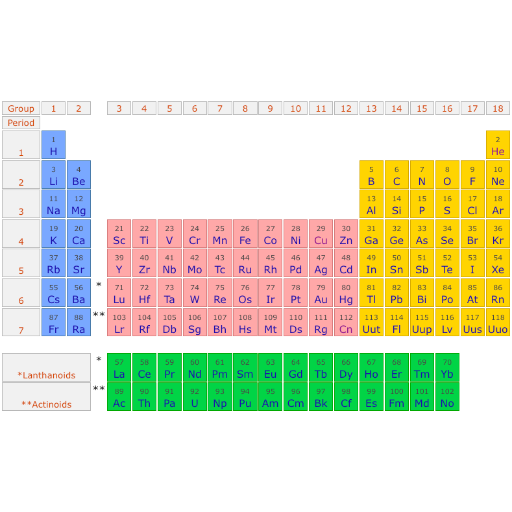
This is a periodic table!

Groups
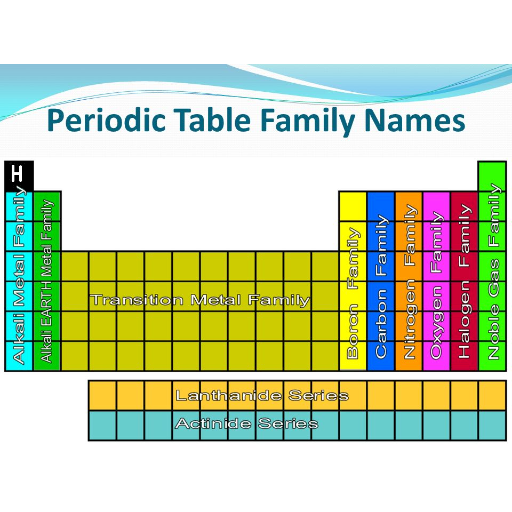
Groups are what separate elements in the periodic table. They are also known as families. There are currently 18 known groups.
(In the picture on the next page.)
These groups are what help people know where certain elements are.


These are the groups or families in the periodic table!
Periods
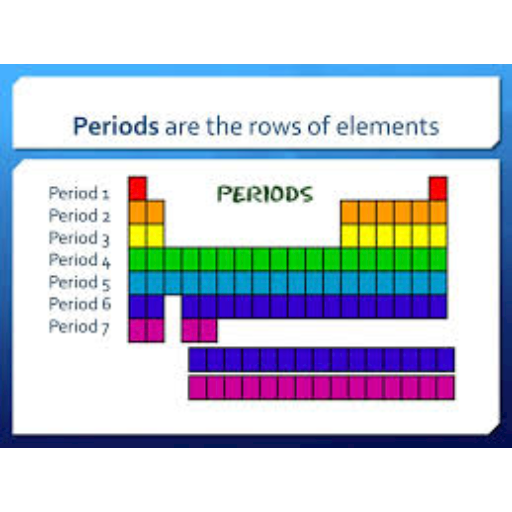
In a periodic table, periods, or the horizontal rows, get bigger from left to right depending on the number. Periods are numbered 1-7 starting from the left side of the periodic table. Elements that are not in the same period are made different chemically.


Metals
-Metals are solids except for Mercury which could be a liquid at room temperature.
-They are shiny, and are good at keeping electricity and heat flow.
-They are ductile, which means they are able to be drawn out into a thin wire.
-They are malleable, or can be hammered into very thin sheets.
These characteristics are what make metals!


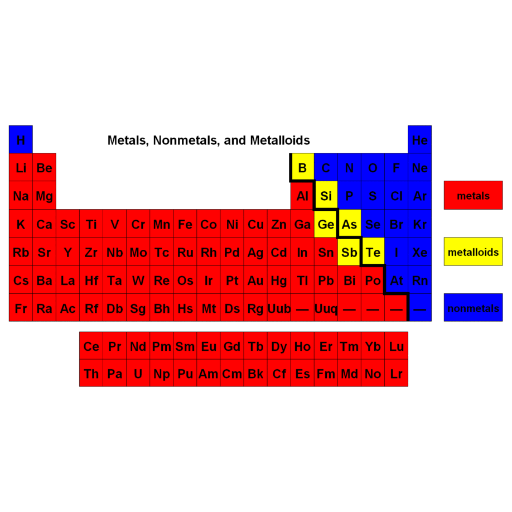
All the red are all the metals currently in the periodic table!
Non-metals
Non-metals are those that have opposite characteristics than metals.
-They are brittle, or easily breakable.
-They are not malleable or ductile.
-They are not good at keeping electricity and heat flowing.
-Some non-metals are liquids.

All the blue are all the non-metals currently in the periodic table!

Metalloids
Metalloids or semi-metals, have characteristics of both metals and non-metals. They are important because of the way they help electricity and heat flow. (They can only do it half as well as metals.) This makes them valuable semiconductors and computer chip industries. (Semiconductors flow electricity and heat half as well as metals do.)

All the yellow are all the metalloids currently in the periodic table!

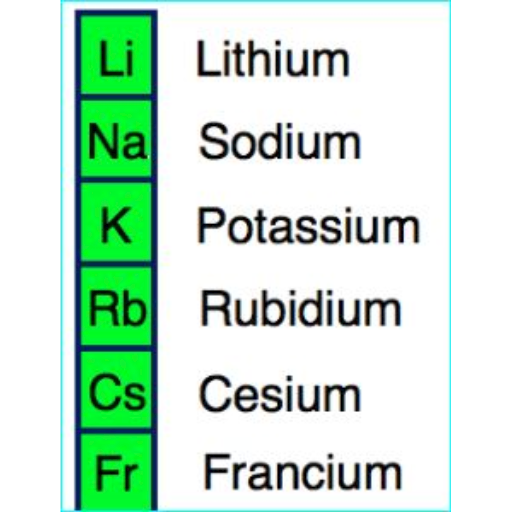
Alkali Metals
-Lithium
-Sodium
-Potassium
-Rubidium
-Cesium
-Francium
These are all the elements that are in the alkali metal family. This is group 1. They are very reactive, which means they can react with other elements well.


These are the elements in the alkali metal category.
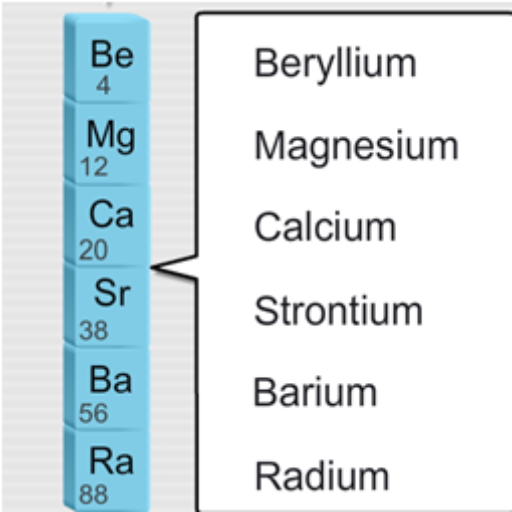
Alkaline Earth-Metals
-Beryllium
-Magnesium
-Calcium
-Strontium
-Barium
-Radium
Those are the elements of the alkaline earth-metal family. They are reactive, and they can react with water. This is group 2.


These are the elements in the alkaline earth-metal category.
Transition Metals
A set of metallic elements that are in the center of the periodic table. Such as copper, iron, chromium, manganese. They form many compounds. (Compounds are two or more elements combined or put together.) Many of their compounds are colored. This is group 3-12.

- Full access to our public library
- Save favorite books
- Interact with authors


- < BEGINNING
- END >
-
DOWNLOAD
-
LIKE(4)
-
COMMENT()
-
SHARE
-
SAVE
-
BUY THIS BOOK
(from $5.59+) -
BUY THIS BOOK
(from $5.59+) - DOWNLOAD
- LIKE (4)
- COMMENT ()
- SHARE
- SAVE
- Report
-
BUY
-
LIKE(4)
-
COMMENT()
-
SHARE
- Excessive Violence
- Harassment
- Offensive Pictures
- Spelling & Grammar Errors
- Unfinished
- Other Problem

COMMENTS
Click 'X' to report any negative comments. Thanks!