I dedicate this book to Dr. Pearson for being a great science teacher!


Families/Groups

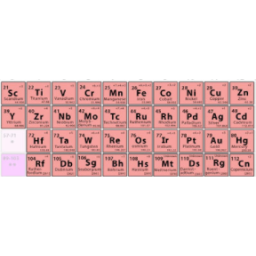
Families/Groups are the vertical lines in the periodic table and those grouped together have similar properties. They are arranged from 1 to 18.



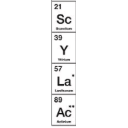

Group 3
(Scandium, Yttrium, Lanthanum, and Actinium)

There are 5 element families!
Alkali Metals- These are highly reactive and readily loose their their outermost shell to form bonds.
Alkaline Earth Metals- These are reactive since they readily will give up their two valence electrons
Transition Metals- They are not very reactive
Elements in the same group
have the same number of valence electrons.
Halogens- Halogens usually gain electrons during reactions
Nobel Gasses- Nobel Gasses are very unreactive because they have little tendincy to gain or loose electrons



A period is a horizontal row on the periodic table starting on the far left. Each period has the same energy levels. There are seven in total.
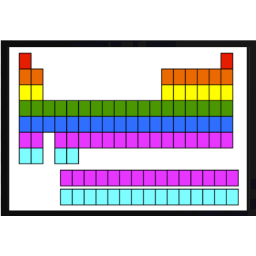
The Role of Protons in The Placement of Elements

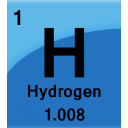
Since each element has a different amount of protons the atomic number is the same number as the number of protons in an atom. The atomic number defines what element it is and determines its chemical behavior.
Atomic number=Number of Protons


Metals, Metalloids, and Nonmetals
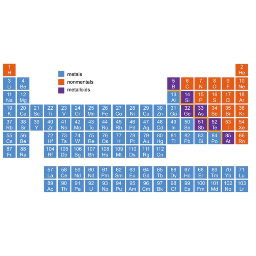
Metals- The metals are all located to the left of the periodic table with the exception of Hydrogen. They end at the staircase line with Al(Aluminum), Ga(Galium), Sn(Tin), Bi(Bismuth, and Po(polonium). Metals are lustrous, malleable, ductile and great conductors of heat and electricity. Metals are also all solid at room temperature except for mercury.
Non-Metals- Nonmetals are located on the upper right of the periodic table and start where the border ends for the metalloids. The border elements are C(Carbon, P(phosphorus), S(Selenium), I(Iodine), At(Astatine). Nonmetals are poor conductors, gain electrons easily, brittle, high electronegativities and may be solid liquid or gas.
Metaloids- Metaloids are located right between the metals and non metals and only have and only have 5 in total. Metaloids behave largely like non metals but are physically shiny, brittle and are realitiley good conductors. They also are mostly gasses at room temperature while others are liquid.
The role of valance electrons
The number of electrons in an atom's outermost valence shell governs its bonding behavior.
A valence electron is a negatively charged particle, located in the outermost shell of an atom, that can be transferred to or shared with another atom.
Elements with the same atomic number are grouped into families which also have the same number of valence electrons.
Chemical
Families

Alkali Metals
-Alkali metals are all soft with low melting points
-highly reactive at standard temperature and pressure
-Shiny
-Reactive to water
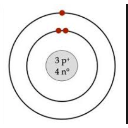
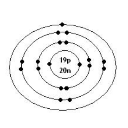
Lithium
Potassium
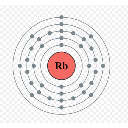
rubidium
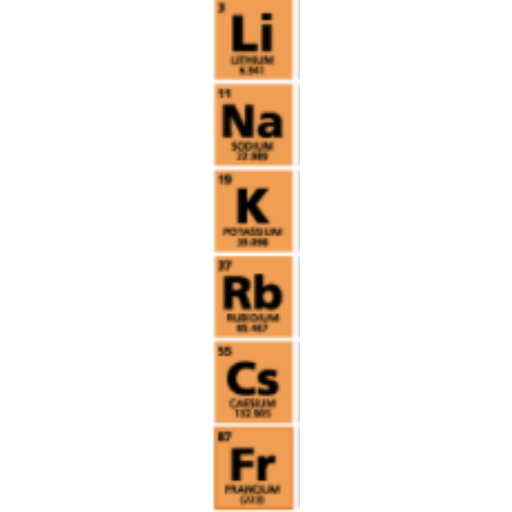
Uses...
Lithium: Lithium is often used in batteries because In the batteries, lithium ions move from the negative electrode through an electrolyte to the positive electrode during discharge, and back when charging.
Potassium: Postassium is used in fertilizers It helps strengthen plants' abilities to resist disease and plays an important role in increasing crop yields and overall quality.
Rubidium: It is used to to remove traces of oxygen from vacuum tubes and to make special types of glass.
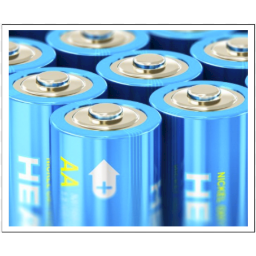
Lithium-ion batteries
Alkaline Earth Metals
-Shiny
-Low melting and boiling points
-Somewhat reactive at standard room temp.
-Silvery White
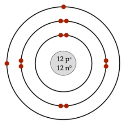
Magnesium
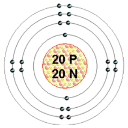
Calcium
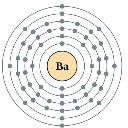
Radium
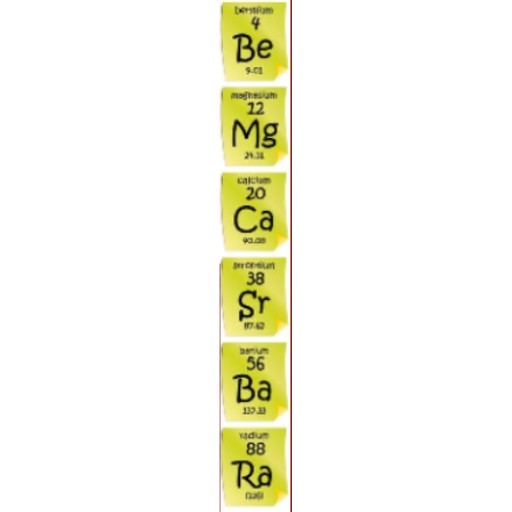
Uses
Magnesium- They are used in fireworks because Magnesium burns a very bright white, so it is used to add white sparks or improve the overall brilliance of a firework.
Radium- The main uses for radium have been for medicine. Specifically it is used to treat cancer because it targets the bones
Calcium- Calcium is used in the production of some, and Calcium carbide is used to make cement!

Fireworks with magnesium
Transition Metals
-they are good conductors of heat and electricity
-HIgh density
-Form colored compounds
-Usually hard and tough
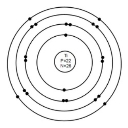
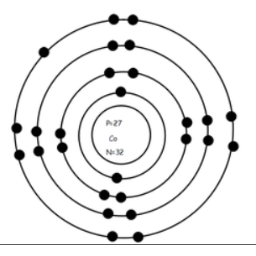
Titanium Iron Coblat
Uses
Coblat- It is an important source of gamma-rays. It is widely used in cancer treatment, as a tracer and for radiotherapy.
Iron- Iron is used widley in civil engineering with uses such at concrete griders etc.
Titanium- titanium are mainly used in aerospace, aircraft and engines where strong, lightweight, temperature-resistant materials are needed.

Titanium used in
aerospace
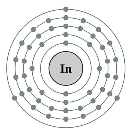
Boron Family
-Good conductors t high temps.
-Realitivley soft
-Each element has three electrons in the outer shell of their nuclear structure
-Most are soft
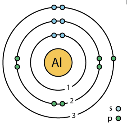
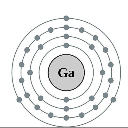
Aluminium Gallium
Indium
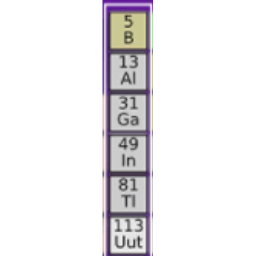
Uses
Aluminum- Aluminium is used in many kicthen utensils, cans nd aluminum foil etc.
Gallium-Gallium is a soft silvery metal that can be used in electronic circuits and light immiting doides.
Indium - Indium can be used to make mirrors that are as reflective as silver mirrors but do not tarnish as quickly.
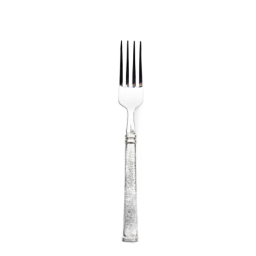
Fork(Kitchen Utensil)
- Full access to our public library
- Save favorite books
- Interact with authors
- < BEGINNING
- END >
-
DOWNLOAD
-
LIKE
-
COMMENT()
-
SHARE
-
SAVE
-
BUY THIS BOOK
(from $4.79+) -
BUY THIS BOOK
(from $4.79+) - DOWNLOAD
- LIKE
- COMMENT ()
- SHARE
- SAVE
- Report
-
BUY
-
LIKE
-
COMMENT()
-
SHARE
- Excessive Violence
- Harassment
- Offensive Pictures
- Spelling & Grammar Errors
- Unfinished
- Other Problem






COMMENTS
Click 'X' to report any negative comments. Thanks!