
This book was created and published on StoryJumper™
©2010 StoryJumper, Inc. All rights reserved.
Publish your own children's book:
www.storyjumper.com

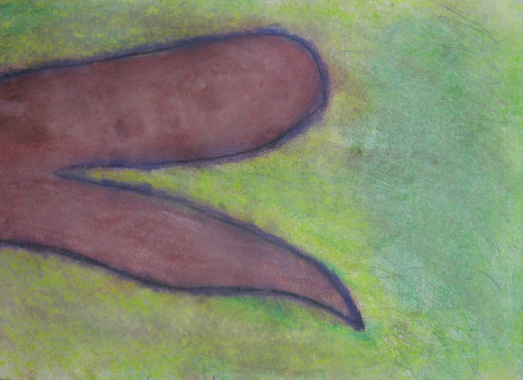
The illustrations in this book are examples of the fourth
grade lesson on the art and life of Georgia O’Keeffe. She is
revered as one of America’s greatest painters, and a very
important female artist. Her work became famous for its bright
and beautiful colors. Her subjects came from the natural
environment around her. This included animal bones, flowers,
shells, and desert landscapes. She presented her subjects with
a cropped and enlarged view, which resulted in her unique
abstract style of painting.
The fourth grade students have been researching Indiana
animals in the computer lab, library, and classroom. Each
student created an original artwork inspired by their animal.
Then using chalk pastels and analogous colors, (colors that are
next to each other on the color wheel), they created a work of
art inspired by O’Keeffe’s style.
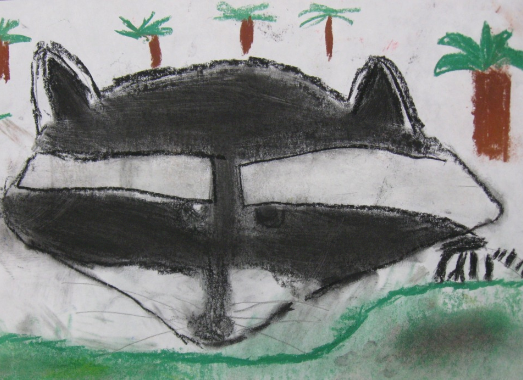
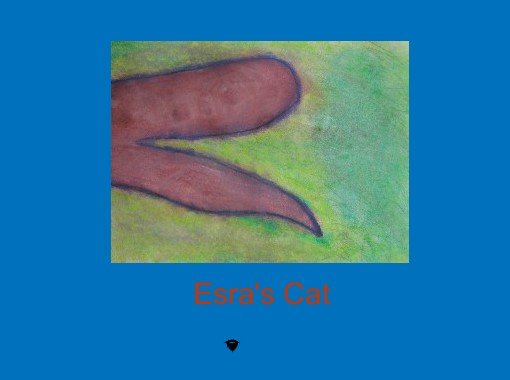
Each example shows a view of what the student chose as the
most unique part of their animal. Can you guess what their
animal is?
Rabbits and Bunnies
By Meredith
If you want to learn more about rabbits I suggest you read this. Some things
that you will learn are what it looks like, what it eats, and some other things.
Physical Description
The cotton tail rabbit looks like a cotton ball especially the tail .It has large eyes
that help them see behind them. The underside is a reddish brown to gray. It also
has matted hair and short stubby ears.
Habitat
It lives throughout Indian and Mexico. It digs a slight hole called a burrow and
covers it with the female’s hair.
Diet and food chain
It’s very interesting what they eat. They eat lots of different things. Some of
the things are weeds and grass. Did you know that too many carrots make them
sick? Some other kinds of foods are apples, willow, wood, hickory, rose, clover,
and corn.
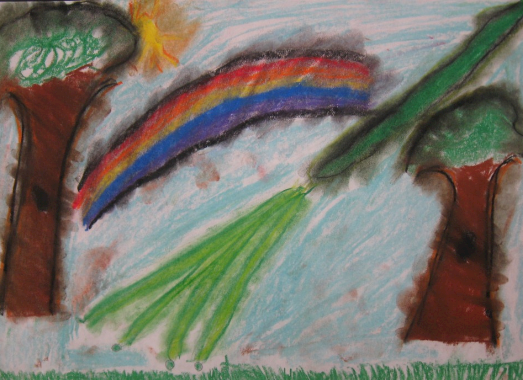
The Green Tree Frogs Life
By Phoebe
I am researching the green tree frog. The green tree frog is very interesting. If you
want to learn more read on.
Physical Description
The Green Tree Frog is an olive green color. The size of the frog is 1-2 inches. The
Green Tree Frog has a yellow stripe on its upper lip. The Green Tree Frog has a white
stripe on its right and left side. The frog’s fingertips are red.
Diet and Place in Food Chain
The Green Tree Frog doesn’t eat too much. The frog only eats small insects and other
small invertebrates. The Green Tree Frog’s place in food chain is kind of in the middle.
Habitat
The Green Tree Frog lives in cypress swamps, cattail marshes, lakes, ponds, and
Southwestern Indiana.
Interesting Facts
The Green Tree Frog’s eggs are found in small packets under the surface of water. The
Green Tree Frog call resembles a cow bell.
That is a Green Tree Frog’s life.

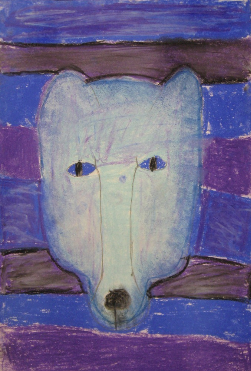
Red Foxes
By Mary
Did you know that Red Foxes live all over the world? Also do you know that red foxes are
mammals? Red Foxes are in the wild dog family.
Physical Description
A fox’s fur can be all different color like red, brown, silver and black. With white tips on their tails
and stomach. The Red Foxes are dark, sneaky hunters. Red Foxes can be up to 8 to 14 pounds.
Diet and Place in the Food Chain
Red Foxes are highly skilled hunters. They catch mice, birds, fish and berries. But they eat
whatever they can find.They also can kill some animals larger than they are.
Habitat
The red fox is usually found in dry areas, farmland, forest, mountains and dead trees. Foxes
normally hunt during the night.
Interesting Facts
A red fox's bark is so piercing that you can hear it over a silent winter night. When a red foxes
sleep it raps its tail around his body to keep warm. When a baby red fox is born it cannot see or
hear but it can smell to know where it is going.
I think red foxes are amazing animals but that’s just my opinion. I hope you like my animal
report on the red fox.
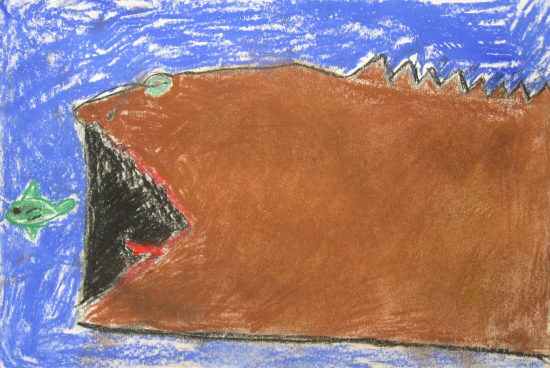
Alligator Snapping Turtle
By Tate
Introduction
Alligator Snapping Turtles are very strange turtles. Did you know that an Alligator Snapping
Turtle can be four feet long?
Physical Description
Alligator Snapping Turtles have a prehistoric look. They have spikes on their shells and a
very worm like tail.
Diet and place in food chain
Some of the only things that can kill the Alligator Snapping Turtle are humans but the
Alligator Snapping Turtle eats frogs, fish and many more things.
Habitat
The Alligator Snapping Turtle lives in deep pools of rivers and fresh water lakes.
Interesting facts
The Alligator Snapping Turtle can weigh up to 200 pounds! And fish often mistake its tongue
for a fish and they swim in its mouth and then the alligator snapping turtle eats it all up!
If you like to know more go to your local library today and look up Alligator Snapping
Turtle.
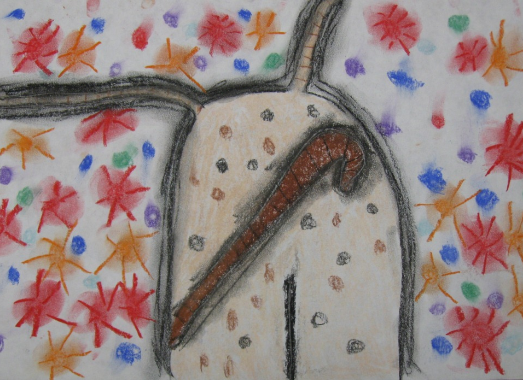
The Plains Leopard Frog
By Emily
The Plains Leopard Frog is an amphibian. It is almost endangered, so read on!
Physical Description
I am researching the Plains Leopard Frog. The Plains Leopard Frog has brown spots. On the legs
there are some short brown stripes and the frog’s skin is kind of lumpy like a toad. The Plains Leopard
Frog is maybe about two inches in length. It is about one and a half inches in width, its belly is kind of a
tannish kind of color.
Diet and Place in the Food Chain
The Plain’s Leopard frog eats insects and spiders. It also eats aquatic snails, surprisingly. What is also
amazing is that it’ll eat anything it can catch. Last but not least, they eat crickets.
Habitat
The Plain’s Leopard frog lives in the vicinity of streams, natural and artificial ponds. They also live in
reservoirs, and creek pools. The Plains Leopard Frog also lives in irrigation ditches. Finally, they live in
bodies of water in plains grass land.
Interesting Facts
I think some interesting facts are that when they are first born the clusters of eggs can be five to
fifteen centimeters, there can also be several hundred eggs. I think this last fact is interesting too, the
eggs are attached to vegetation in shallow water.
Well, that’s all I have to say about the plains leopard frog. To find out more about the plains leopard
frog go to your local library.
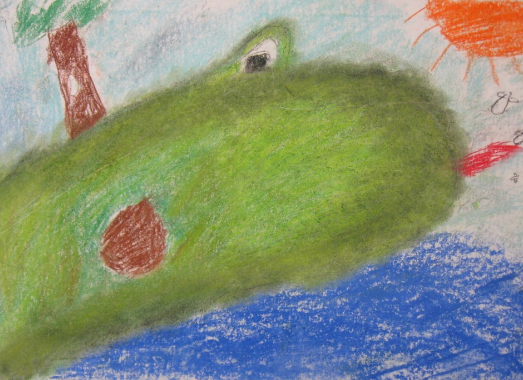
The Bull Frog
By Ryan
Did you know that the bull frog is the biggest frog in the United States? Read more to find more about
the bull frog.
Physical Description
The bull frog is 10 inches from front to back. The bull frog can be greenish gray, light olive, and
yellowish green. In mating season the male's throat turns yellow. The bull frog's feet are webbed to help it
swim. The bullfrogs’ bellies are a creamy color.
Diet and Place in Food chain
The bull frog eats anything it can swallow, including cray fish, insects, worms, snails, mice, birds, frogs,
and small snakes. People hunt it for its meaty legs.
Habitat
The bull frog lives in ponds, lakes, larger streams, strip mine ponds, and permanent marshes. It lives
east of the rocky mountains and part of western Indiana.
Interesting Facts
The bull frog is also very interesting in many ways, Here are a few. The female lays 20,000 or more
eggs. They hatch into tadpoles in 2-5 days. It takes 2 years to turn from a tadpole to frog. It can grow to 6
inches in 2 years. It is the largest frog in the United States. As you can see the bull frog is very interesting
in many ways. To learn more about bull frogs visit your local library.
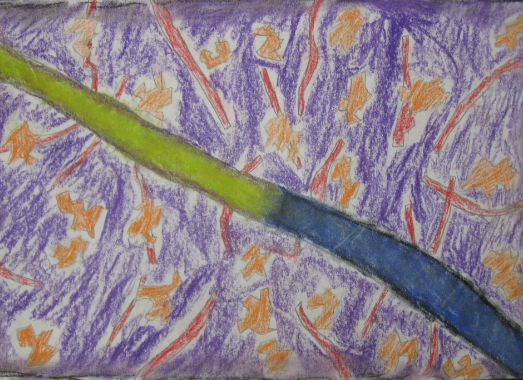
All About Muskrats
By Eve
Have you ever heard of a muskrat? Have you ever wanted to learn about them? If you do read on!
Physical Description
Muskrats usually look the same. They have bead like eyes, ears concealed in dense fur, and weigh
about three pounds. Muskrats have large hind feet with fur between the toes and tails flattened on the
sides.
Diet and Place in the Food Chain
Muskrats are vegetarians, but if there are no plants they eat large field mice, fish, and frogs.
Cattails are the backbone of a muskrat`s diet. In the winter muskrats eat roots and bulbs, but next spring
there aren`t very many plants where they ate the roots and bulbs.
Habitat
Muskrats live in the northeast part of Indiana in shallow freshwater such as, private ponds and
slow moving rivers and lakes. Muskrats also have nests on top of water.
Interesting Facts
Muskrats don`t hibernate, and at four weeks of age they can swim but not dive well. Most
muskrats live together except during the breeding season. Usually muskrats live a few hundred yards
from their birthplace. When muskrats have babies it is usually in May or June. Now you know a little more
about muskrats.
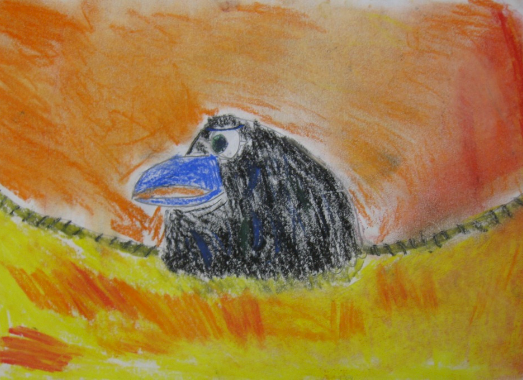
Bald Eagle
By Nicholas
The bald eagle is a bird and it is a vertebrate. Read on to learn more.
Physical Description
Bald eagles are called bald because the feathers on its head are white. The bald
eagle weighs 8 to 14 pounds. Their body has black feathers. They have a large
wingspan of 7 feet.
Diet and Place in the Food Chain
Bald eagles have excellent eyesight. They can track prey 2 miles away.
They eat mammals that weigh up to 1 pound, and fish.
Did you Know?
The bald eagle is the American bird. The wing span in inches is 84 inches.
The bald eagle is one of the largest birds in the world. If you want learn more go to
your local library.
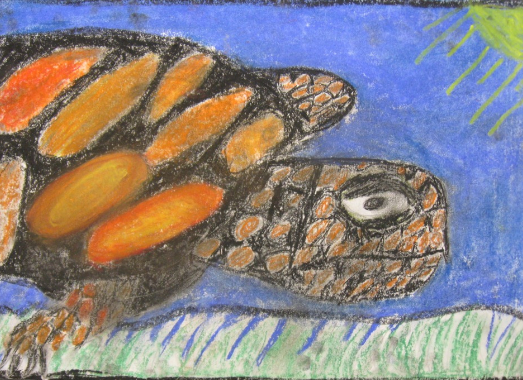
A Box Turtle's Life
By Logan
Did you know that a Box Turtle can fold its plastron in? That’s the bottom of its shell.
It’s the only turtle that can do it. Read on to learn more.
Physical Description
The Box Turtle has a domed colorful shell. The shell is brown or black. They have
orange streaks on their shell that can be yellow or red too.
Habitat
They live in woodlands, pastures and meadows near streams and ponds, and
sometimes lakes. They would live near a hollow log or under an old stump.
Diet and Place in the Food Chain
It eats snails, insects, worms, slugs, berries and roots. What eats them are eagles,
buzzards, snakes, and foxes.
The Interesting Facts
They have no teeth. They live all over the world and they live up to one hundred years
old.
Isn’t the box turtle a wonderful creature?
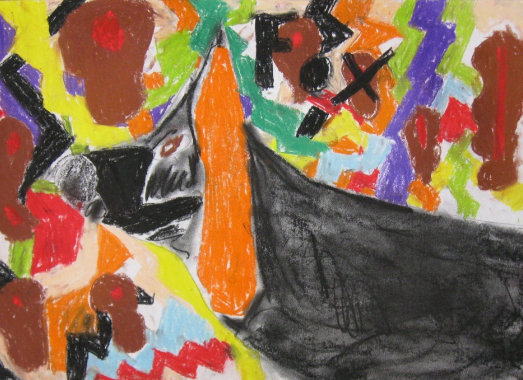
The Gray Fox
By: David
Did you know that the Gray Fox isn’t used for coats? Or that its heel print is
unclear? Find out more in my report.
Do you know what a Gray Fox looks like? The Gray Fox has a gray coat. And
people would rather wear the Red Fox’s fur than the Gray Fox’s. The Gray Fox
weighs about 50 pounds, and they are 2.2 feet high as adults. Gray Fox’s coats
don’t change in the winter, unlike the Red Fox.
Now, do you know what they eat? Gray Foxes prefer to dine on meat, and if
they can’t find any meat, they’ll eat nuts, herbs, and corn.
What’s their H-A-B-I-T-A-T? It lives in a hole in the ground, most of the time.
It might raid another habitat just to get food.
These are just plain interesting. The Gray Fox is a rare fox to find, you seriously
don’t see them very often, and its heel print is unclear. Gray Foxes also rarely
kill each other. The Gray Fox can climb trees. And they do it for protection or
forage. And that is all I can tell you.
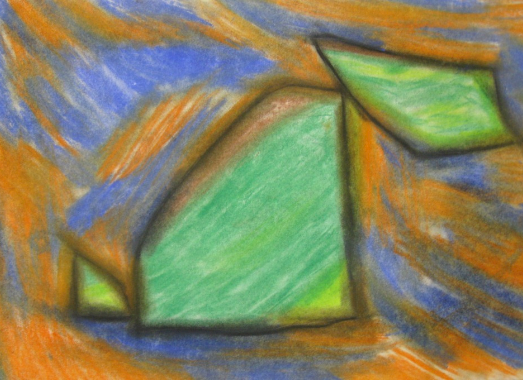
The Green Frog
by Ethan
The green frog is, well, green! The green frog’s eggs are covered in this jelly-
like substance. Wanna know a really weird thing? Males defend their territory by
standing on their back legs and hugging each other! Literally! Their baby's length
is 3/4ths of an inch. They eat most of your typical frog things plus a few other
things: millipedes,(which are like centipedes except they have 750 legs), snails,
and spiders. The green frog can lay up from 1,000 eggs all the way to 5,000
eggs! The breeding season is from May to August.
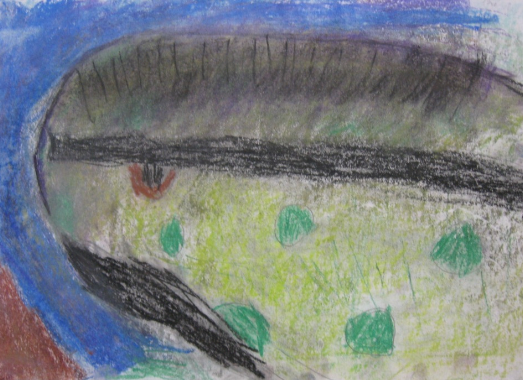
Northern Leopard Frog
by Nolan
Introduction
You're about to learn about the amazing Northern Leopard Frog! You might find out a lot
if you keep reading.
Physical Description
This small frog has dark spots usually bigger than its eye. It can grow up to 9.1 cm long,
and babies are usually 5.1 cm. The frog is green, tan, and brown. It has a narrow head, a
slender body, and a white stomach.
Diet/Place in Food Chain
This frog eats insects, slugs, larva, spiders, earthworms, and larger leopard frogs eat
other frogs.
Habitat
The northern Leopard Frog lives in marshes, bogs, and shallow swamps. Also in fresh
water lakes in America.
Interesting Facts
The northern leopard frog produces mucus and spits it on itself to keep it moist. Males
tell mates to come by calling them. Female leopard frogs lay 3000- 5000 eggs a year. It is
a vertebrate (has a backbone). So did you learn anything about the Northern Leopard
Frog?
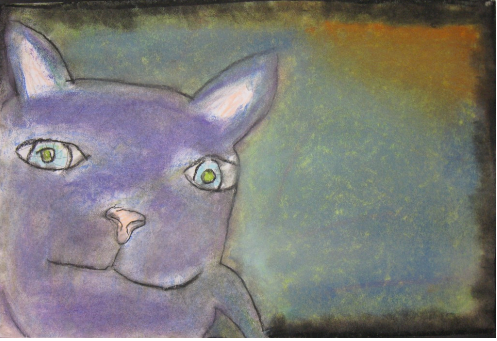
Bobcat
By Mofe
Did you know that there are more bobcats in Indiana then you think? Bobcats are mammals.
Bobcats are in the wildcat family.
Physical Description
A bobcat has a chubby tail only five or four inches long. A bobcat also isn’t the tallest member
of the cat family, he’s only 30-50 inches in length (2-4 feet) and only 16-25 inches tall.They have
large tufts of hair on their cheeks. Their fur is reddish brown on the top and whitish on the
bottom.
Diet
Bobcats are one hundred percent carnivores. Their preferred prey is to eat rats, mice, moles,
squirrels, deer, and carcasses, so they eat anything smaller then they are, with the exception of
deer.
Habitat
Bobcats live in well forested areas. They also live on cliffs, bluffs, rocky outcrops, hollow trees,
logs, thickets, swamps, deserts, and mountains. You can see bobcats strolling around in the forest
is Southern Indiana.
Interesting Facts
A male bobcat is at least 25 pounds and a female bobcat is at least 16 pounds. The bobcat
looks a lot like another member of the cat family which is the Canada Lynxes. The bobcat's tan
fur matches the dirt which helps it hide or camouflage. Bobcats once ranged through Indiana
before the Hoosier State was settled. If you want to learn more about bobcats go to your local
library.
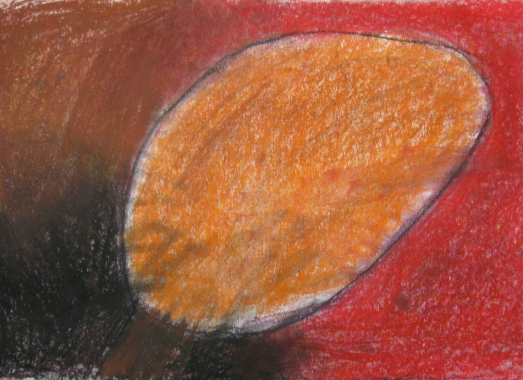
The Big Tailed Beaver
By Chelsea
Physical Description
Did you know that the beaver is a mammal? Did you know that the beaver
can hurt you with its tail? Let me tell you about a beaver. It's basically a big
muskrat. It weighs 30-70 pounds and it grows to about four feet long. Its feet
are webbed to help it swim.
Diet And Place of Food Chain
Let me tell you about what it eats. It likes to eat at dusk and it likes to eat
wood, sticks, twigs, and woody plants in the winter.
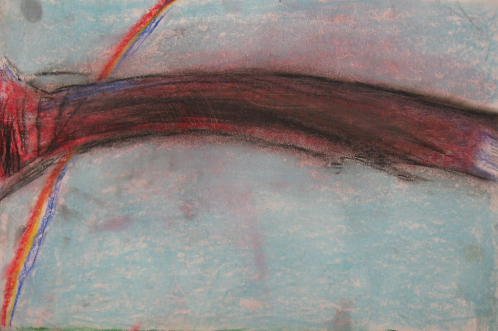
A Cardinal
By Charlie
You will be learning about the Cardinal if you read this book. Here are some
cool facts.
Physical Description
A Cardinal is 8-9 inches long. The male is all red and the female is olive gray
with dull reddish wings. Also their beak is very hard so they can protect
themselves. It is usually peaceful and calm.
Place in Food Chain
The Cardinal eats insects, poison ivy fruit, box elder seeds, and from
backyard feeders.
Habitat
It lives in the woodland borders like shrubs and tall weeds.
Interesting facts
The Cardinal is the state bird of Indiana. Another fact is that males and
females are very loud and it visits bird feeders in the winter. The Cardinal does
not get hunted and there are a lot of them in the U.S. Here were some real facts
about the Cardinal.
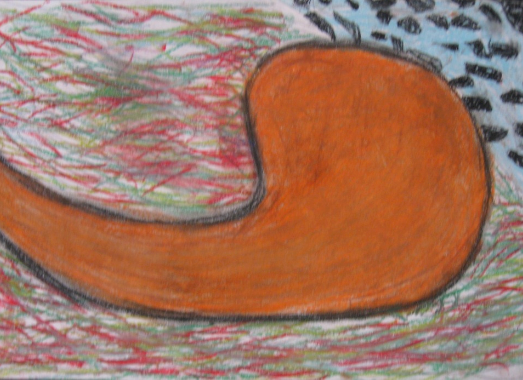
The Amazing Fox Squirrel
By Veronica
What do they look like? What do they eat? Where do they live? These amazing animals are great climbers.
Read on to learn more about THE AMAZING FOX SQUIRREL!
Physical description
The Fox Squirrel is all different kinds of interesting colors. The Fox squirrel is brownish black and
sometimes parts of their body can be white or grizzly brown black. Their tail can be very bushy. They are
very similar to the Gray Squirrel.
Diet or place in the food chain
Fox Squirrels eat nuts, all kinds of seeds, bugs, and sometimes lizards. They are liked by lots of meat
eaters.
Habitat
Fox Squirrels live on the ground or in tree stumps. They sleep at night and hunt during the day. They are
great hunters.
More thrilling facts about the animal
Fox Squirrels are the largest tree squirrel in America! The scientific name for the Fox Squirrel is the
Sciurus Niger. Sometimes they get inside your house by going through pet doors or windows. They also are
known to strip bark of trees. The Fox Squirrel also carries rabies. There is also a squirrel hunting season. They
are very fast animals. If it is frightened it will bite or run away. If you want to know if you scared it or made it
mad look at its mouth. If its mouth is open and you see sharp teeth it is either scared or mad. To find out
more go to your local library or school library.
You've previewed 36 of 56 pages.
To read more:
Click Sign Up (Free)- Full access to our public library
- Save favorite books
- Interact with authors

- < BEGINNING
- END >
-
DOWNLOAD
-
LIKE(2)
-
COMMENT()
-
SHARE
-
SAVE
-
BUY THIS BOOK
(from $11.19+) -
BUY THIS BOOK
(from $11.19+) - DOWNLOAD
- LIKE (2)
- COMMENT ()
- SHARE
- SAVE
- Report
-
BUY
-
LIKE(2)
-
COMMENT()
-
SHARE
- Excessive Violence
- Harassment
- Offensive Pictures
- Spelling & Grammar Errors
- Unfinished
- Other Problem





COMMENTS
Click 'X' to report any negative comments. Thanks!