
This book was created and published on StoryJumper™
©2010 StoryJumper, Inc. All rights reserved.
Publish your own children's book:
www.storyjumper.com

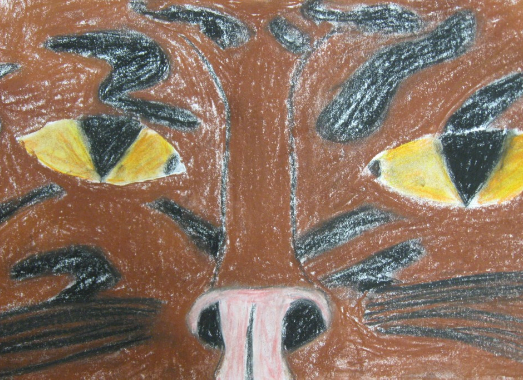
The illustrations in this book are examples of the fourth grade
lesson on the art and life of Georgia O’Keeffe. She is revered as
one of America’s greatest painters, and a very important female
artist. Her work became famous for its bright and beautiful
colors. Her subjects came from the natural environment around
her. This included animal bones, flowers, shells, and desert
landscapes. She presented her subjects with a cropped and
enlarged view, which resulted in her unique abstract style of
painting.
The fourth grade students have been researching Indiana
animals in the computer lab, library, and classroom. Each student
created an original artwork inspired by their animal. Then using
chalk pastels and analogous colors, (colors that are next to each
other on the color wheel), they created a work of art inspired by
O’Keeffe’s style.
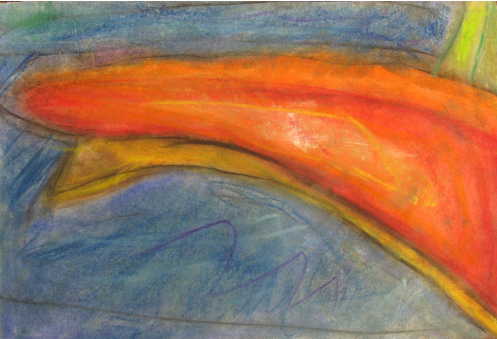
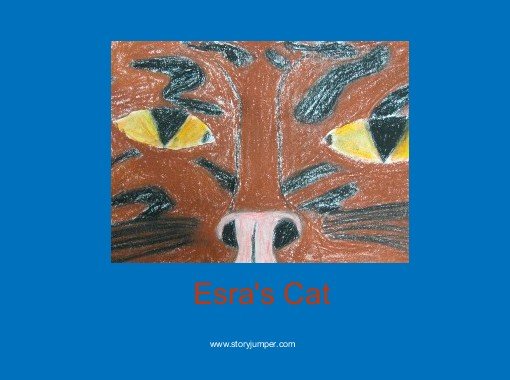
Each example shows a view of what the student chose as the
most unique part of their animal. Can you guess what their
animal is?

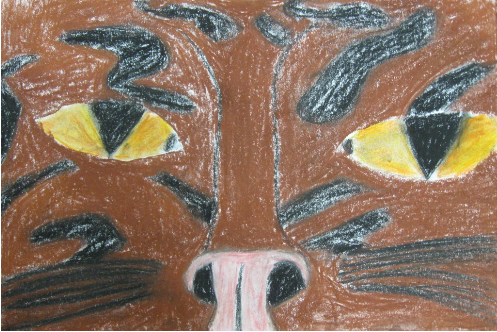
Bobcats
By Gabby S.
Bobcats are very unique animals. The Bobcat’s fur is usually reddish brown or
white. They also have spots or streaks that are black or white. They have a short
stubby tail that is about 4 or 5 inches long. They are about 30-50 inches long and
stand about 2 feet high.
Bobcats are carnivorous. They usually eat rabbits, rats, mice, moles, squirrels,
and birds. Sometimes they even eat porcupines or small deer. They are usually
killed on the road or by traps. But they are still good hunters.
The bobcat lives in several places. They live in forest, cliffs, bluffs, logs,
riverbanks, thickets, swamps, desserts, and mountains. They live in northwest or
south central parts of Indiana. They sometimes even live in rocky outcrops, hollow
trees, or even limestone caves. But sometimes people destroy their homes.
The bobcat has different names such as the Felix Rufus or Lynx Rufus. They are
called bobcats because of their short stubby tail. They are bigger than house cats,
but are still part of the cat family. The bobcat also purrs. Bobcats have sharp
teeth, rough tongues, and sharp claws. They are very good hiders, but sometimes
they mark their territory by spraying urine. Bobcats are also endangered. Did you
know bobcats are captured for their valuable fur?

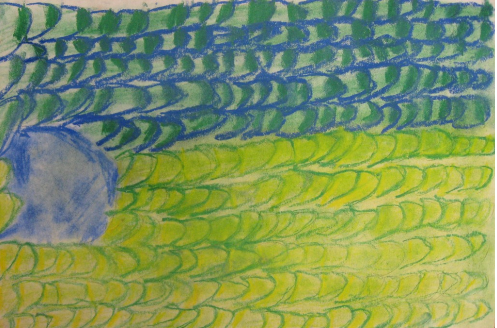
Bluegill
By Gabe
The Bluegill is a fish with a small mouth and has sides that are
long and flat. It is 8 inches in length and weighs about 6 ounces. A
Bluegill has 5 to 9 dark vertical bars on each side. It is a dark olive
green on its back and lighter on the sides. It also has a jagged fin
on its back.
The Bluegill will eat zooplankton. Zooplankton is a kind of
plankton that is smaller than dust. Bluegill will even eat other fish
eggs. It also eats crayfish, insects, and snails.
The Bluegill will thrive in warm, clear waters and also lives in
the great lakes. It can live in the coastal area to the Carolinas.
Bluegills live in northern Mexico and Florida and southern Ontario.
The Bluegill is a member of the sunfish family. Some people
may call it a bream, brim, or pond perch. Sometimes color will vary
with age and water color. Schools of Bluegill travel with 10 to 20
other fish. Bluegills are prized by many anglers.
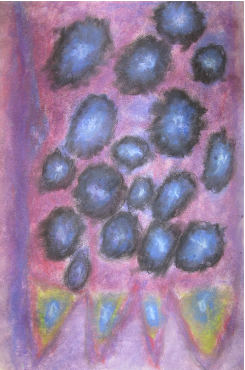
Blanding’s Turtle
By Mitchell
Did you know the Blanding’s turtle has a yellow chin,
and black all over? This turtle has a smooth dark shell.
It can grow to 6 to 8 inches long.
Did you know the Blanding’s turtle eats crayfish,
insects, snails, and tadpoles? The things that eat it are
foxes, raccoons and snakes. This turtle is an endangered
species.
The Blanding’s turtle lives in shallow water, swamps,
and back waters of lakes it can be seen in southern
western Indiana.
Fun and Interesting facts about the Blanding’s turtle
are it can float on water, and it lays eggs around June.
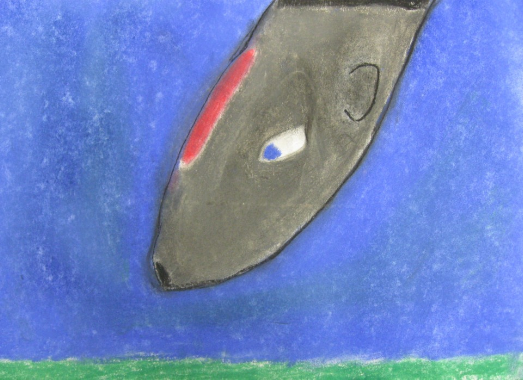
Striped Skunk
By: Dominic
Skunks have stripes and spots. All skunks have
bushy tails. The adult may weigh up to 4 to 6 pounds.
Skunks have small ears.
Skunks eat vegetables. Skunks may eat insects,
fruits, plants, and small animals.
Skunks live around lakes, forest, wetland, and
agricultural edge. Skunks sleep during the day. They live
in Indiana by wetlands.
They can spray up to 6 times in a row. During the
winter the male will search for food. The young skunk
will follow his or her mother for the first few mouths.
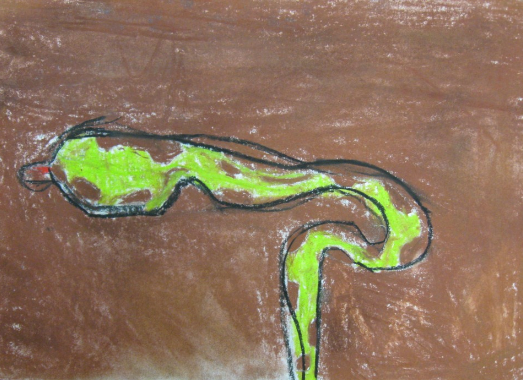
Massasauga Rattlesnake
By: Michael
The Massasauga rattlesnake is 18 to 30 inches long
and it has brown spots. It also has a pointy face and its
body is black and grey.
The rattle snake likes to eat mice, lizards, crawfish,
voles, and small insects for its diet.
Their habitat is lakes, swamps, and dry land. It also
lives in the northern half of Indiana.
Some interesting facts about the rattlesnake are that
its tail makes it different from other snakes. It is an
endangered species in Indiana.
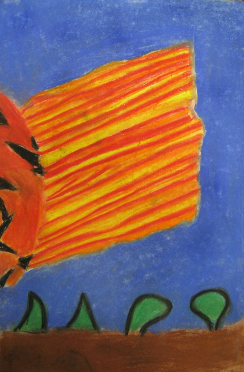
The Ruffed Grouse
By Jessica
The grouse is three times the size of a quail; the grouse’s tale
is 5 7/8 in. The male grouse is 21 ounces! The female grouse is
smaller than the male. The grouse is different colors such as red
and gray.
Did you know the grouse is eaten by people? They say it
tastes like quail. The baby grouse fills its tummy 30 times a day!
It eats tree bugs and other insects. It eats wild grapes, dogwood
berries, acorns, seeds. It also eats green leaves and tree bugs.
The grouse lives in the largest forests in North America. They
are mostly located in South central and in North America. The
grouse has a distribution in 41 different countries! WOW!
Now it is time for interesting facts. White eggs are laid in April
and hatch in 24 days. It takes 12 weeks for them to grow up.
WOW!
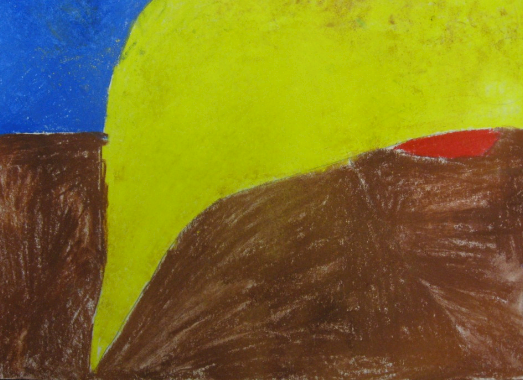
Bald Eagle
By Steffani
A Bald Eagle has white tail feathers with dark brown feathering. A
male and a female are identical in the color. The males weighs 10 to 14
pounds. The adults are 3 to 3 ½ feet in length. Their wingspan is 6 to 7
½ feet. The young ones are dark brown with some blotches of white
under the wings and on the body. The bill for young ones is brownish.
The Bald Eagle makes loud chirping sounds to tell their mom and dad
when they're hungry. They eat fish that are carried to a tree. Both males
and females dives for prey at 100 miles an hour. They also eat wild ducks
and rabbits, and squirrels and other rodents.
The Bald Eagle lives in nests in trees made out of twigs, moss, pine
needles, and feathers. The Bald Eagle lives in Indiana from November
through March.
The Bald Eagle adult is named for its white or bald head. Bald is an
old English word meaning white. The young Bald Eagle ones leave the
nest at only 11 to 12 weeks of age. Their lifespan is 48 years in captivity.
And most of all the lifespan is 21 years in the wild.

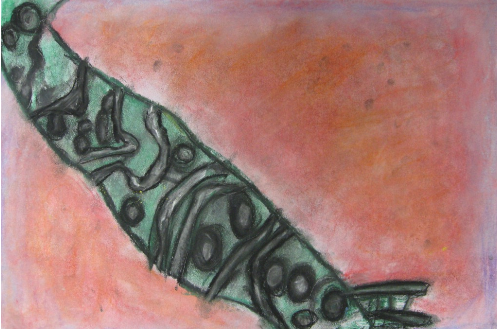
Bull Frog
By Brandon
Have you ever seen a huge frog in your pond? The Bull Frog is
one of the biggest frogs in Indiana. It is 8 inches long. A Bull Frog
is dark brown. The Bull Frog can also be greenish gray or yellowish
green. They also have a yellow throat. The eye of the Bull Frog
curves around its ear. The Bull Frogs stomach is green and can
also be white.
The Bull Frog eats crayfish, worms, ants, flies, and snails. The
huge Bull Frog eats mice, small snakes, and birds.
The Bull Frog lives in ponds and lakes. The Bull Frog also lives
in backwaters of larger streams. The Bull Frog lives statewide in
Indiana.
The interesting facts about Bull Frogs are that Bull Frogs can
lay up to 10,000 eggs and the eggs hatch in 2-5 days. Another
fact about Bull Frogs is that the Bull Frog tadpoles are similar to
green frog tadpoles. The Bull Frog tadpoles overwinter and
transform the next summer.
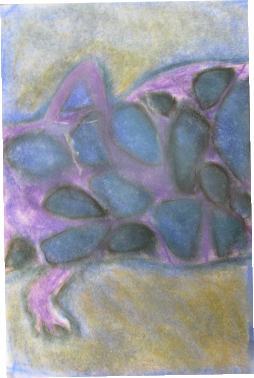
Green Salamander
By Max
Green salamanders are a very cool amphibian. It has a flat
head and a flat body. A green salamander has green marks on the
back of its body. Adult green salamanders can be up to four to
five inches long. A green salamander has a grayish colored belly.
A green salamander has square tipped toes.
Green salamanders eat cool stuff including invertebrates. Some
of them are beetles, spiders, mites, and ants. Green salamanders
are in the lower part of the food chain.
Green salamanders mostly live in forests. In the forest, they
would live under a forest rock. Green salamanders might live in
rocky outcrops too. Green salamanders are rare in Indiana. They
could live in trees or in a cliff.
Did you know they are an endangered species? If they get too
hot, they will die. If they get too cold, their bodies don’t work.
Some species only have two legs. Green salamanders have
smooth skin. I love green salamanders!!!!
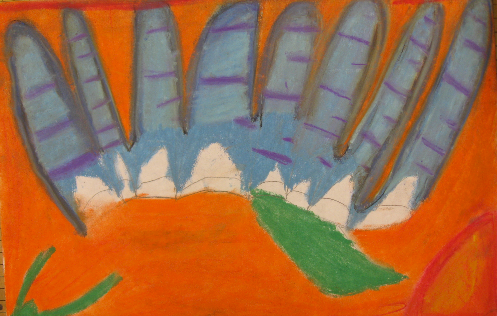
Ospreys
By Natalie
How do ospreys look? Osprey’s feathers are blackish – brown,
and white below. It also has a stiff black beak. Their under parts
are white and fluffy too. They grow from 21-25 inches, and its
wingspan is 59-67 centimeters!
What do they eat and what eats them? An osprey most often
eats fish. The osprey will hover 30-100 feet over the water in the
air when they hunt for fish. Once it spots a fish it dives feet first to
get the fish. The osprey’s predator is hawks. Yum for the hawks
but boo for the poor ospreys.
Where do ospreys live? The osprey is widely found in Indiana
near lakes, rivers, and cliffs. Two lakes they have been found at
are, Worster Lake, and Brookville Lake. There is one park where
the osprey was found: Potato Creek Park!
Interesting Facts about the Ospreys! Did you know that the
ospreys have a reversible toe! This bird is on the Indiana state
endangered species list.
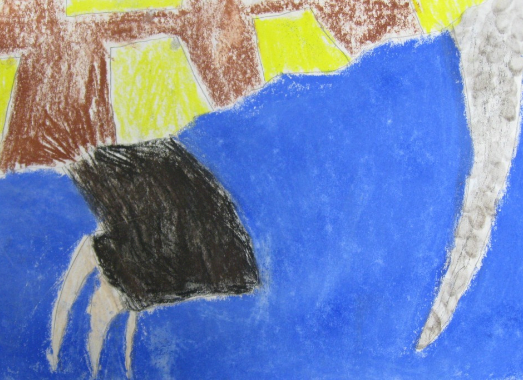
Alligator snapping turtle
by Jacob
The Alligator snapping turtle can weigh up to 175
pounds. It can also hunt with a worm like tongue and it
has rough shell, and powerful jaws and claws.
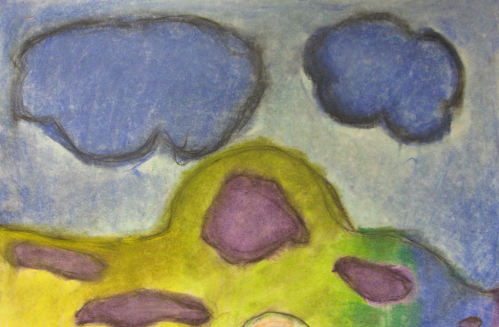
Plain’s Leopard Frog
Averie
The Plain's leopard Frog is 5.1-9 in tall and 5 cm wide. It has
a yellow grown and dark spots. The noise is chuck, chuck and
the belly is white. Its main colors are gray and black.
The Plain’s Leopard Frog usually eats grasshoppers, beetles,
snails, crickets and earth worms. It does not like fruit, veggies
and plants.
The Plain’s Leopard Frog usually lives in mashes, creeks,
ponds, wet meadows and streams. It is very hard to find.
Did you know the Plains Leopard frog makes kissie noises.
This is amazing! Did you know the female can have up to 3,000
– 5,000 eggs?
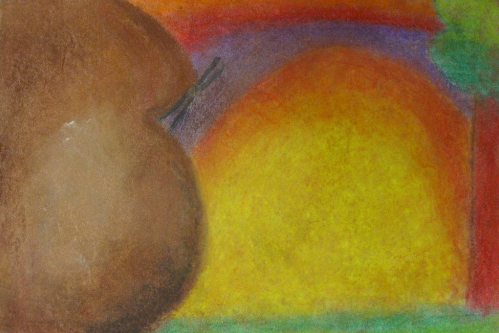
Cotton Tail Rabbits
By Laurel
Cotton Tail rabbits are reddish brown to grey on the back and
sides. Its tail is white and fluffy like snow. A Cotton Tail rabbit
weighs 2 ½ to 3 pounds. When it is born the rabbit stays close to
his mother. A Cotton Tail rabbit has long ears and strong legs. His
front legs help keep its balance. When a Cotton Tail rabbit is a
baby the mom gives it milk from her body.
Cotton Tail rabbits have many predators which are foxes, owls,
coyotes, weasels, bobcats and lynx. Cotton Tail rabbits eat plants,
fresh greens, apple, willow, dog wood, hickory, sumac, clover, corn
and soybeans. Spring comes early for a Cotton Tail rabbit. It may
be seen in January. Cotton Tail rabbits make nests out of leaves
and grass, or it can find a hole in the ground and dig with its front
and back feet.
Cotton Tail rabbits can hop very high. When a Cotton Tail rabbit
is born it must fight hard to survive because it has many
predators.
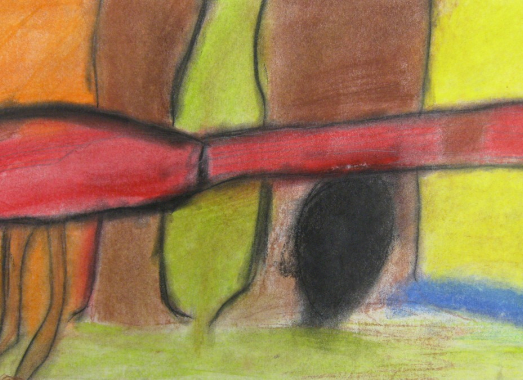
Cardinals
By Kyle
Have you ever seen a red flash in your trees? The answer is a
Cardinal! Cardinals are smaller than a robin. Cardinals are known
for the red "hat and robes". The male Cardinal is red and the
female is brownish reddish.
Cardinals eat lots of food from outside. Cardinals eat
sunflower seeds in the summer. Cardinals eat insects such as
flies. Cardinals eat fruit such as apple, orange, and poke berry.
Cardinals are located across the entire Hoosier State. The
Cardinals have largest population in central Indiana. Cardinals
are usually found in shrubs, tree branches, and red leaf trees.
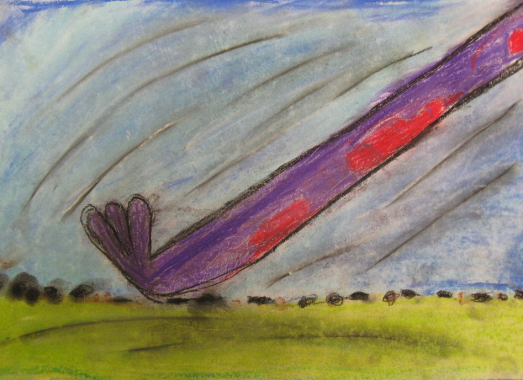
Green Frog
By: Danielle
The green frog is a dark olive green with small
warts. It has a blunt snout and a yellow throat. It has
long legs and webbing on its toes. It is 3-4 inches long.
It eats caterpillars, millipedes, crayfish,
grasshoppers, spiders, slugs, and snails.
It lives in a body of water. It likes ponds and
streams. It avoids warm muddy places. It lives in
Indiana, all over the state.
Frogs have to lay eggs in fresh water. They lay from
1,000 throw 5,000 eggs.
The Barn Owl
By Gabby M.
How to identify the barn owl is not too hard. With white heart shaped faces,
dark eyes, tan and white feathers, long legs, and height of 16 inches, this owl is
actually hard to find. They are strictly night hunters. And by the heart shaped face
and dark eyes it’s called the monkey faced owl.
The barn owl's diet is very big. Voles, shrews, mice, some birds, and other
animals smaller than it make up the owls diet. When does the hunter become
hunted? When Barn Owls meet a Great Horned Owl, Great Horned owl over power
them and kill them. Barn Owls may be great hunters, but Great Horned owls are
better. Being nocturnal has its ups and downs too.
Barn Owls obviously get their name from where they live. Mostly Barns, old
buildings, and tree hollows make up their homes. Old barns usually get cut down to
make pole barns, which has less access to a barn owl, forcing them to live in the
other two different homes. Even finding any of these is hard for this owl because
trees are cut down to make pastures for animals and old buildings are usually
destroyed. But when they do find a home, you can be sure of it finding a mate later.
Where you can find them is in southern Indiana for all the trees they have.
What so interesting about these owls? They are rare birds, night birds. Shy birds
and hard to find as finding real gold.
You've previewed 35 of 54 pages.
To read more:
Click Sign Up (Free)- Full access to our public library
- Save favorite books
- Interact with authors

- < BEGINNING
- END >
-
DOWNLOAD
-
LIKE(2)
-
COMMENT()
-
SHARE
-
SAVE
-
BUY THIS BOOK
(from $10.79+) -
BUY THIS BOOK
(from $10.79+) - DOWNLOAD
- LIKE (2)
- COMMENT ()
- SHARE
- SAVE
- Report
-
BUY
-
LIKE(2)
-
COMMENT()
-
SHARE
- Excessive Violence
- Harassment
- Offensive Pictures
- Spelling & Grammar Errors
- Unfinished
- Other Problem





COMMENTS
Click 'X' to report any negative comments. Thanks!